You know, when you think about making your house better, you probably think about new paint or maybe a kitchen remodel. But what about the stuff you can’t always see? Like, how well sealed up your windows and doors are? It turns out, these little details can make a big difference, not just to how comfortable your home feels, but also to how much it’s worth. We’re talking about how well seals improve property value and peace of mind, and it’s more important than you might think.
Key Takeaways
- Good seals stop water and air from getting in, which means fewer expensive repairs down the road and less chance of mold. That’s a huge win for your wallet and your health.
- When your home is sealed tight, it keeps the temperature steady. This means your heating and cooling systems don’t have to work as hard, saving you money on energy bills.
- Areas like windows, doors, and where pipes go through walls are common spots for leaks. Checking and sealing these places regularly is smart.
- Picking the right kind of sealant matters. You need something that can handle the weather and stick around for a long time.
- Taking care of your seals – cleaning them and fixing any damage – means they’ll keep doing their job, protecting your home and giving you peace of mind.
Enhancing Property Value Through Superior Sealing
When you’re thinking about making your property more appealing, both to live in and to sell, don’t overlook the importance of good seals. It might sound like a small detail, but properly sealed windows, doors, and other entry points do more than just keep the weather out; they actually add tangible worth to your home. A well-sealed property signals quality and care to potential buyers.
The Financial Impact of Effective Sealing
Think of sealing as an investment that pays off. When your home is properly sealed, it means less energy is wasted. This translates directly into lower utility bills, which is a big plus for any homeowner. Buyers notice these savings, and it makes your property more attractive on the market. It’s not just about comfort; it’s about smart economics. Good seals prevent air leaks, keeping your heating and cooling systems from working overtime. This efficiency is a key selling point that can justify a higher asking price.
Boosting Resale Appeal with Waterproofing
Water damage is a homeowner’s nightmare, and potential buyers know it. Areas that are prone to leaks, like around windows, doors, and foundations, need to be sealed tight. When a property shows signs of good waterproofing, it tells buyers that the home has been well-maintained and is protected from costly future repairs. This peace of mind is something people are willing to pay for. It shows you’ve taken steps to protect the structure itself, which is a major concern for anyone looking to buy a home. A solid waterproofing job can make a significant difference in how quickly your home sells and for how much.
Expanding Usable Space and Marketability
Proper sealing can even help you get more out of your existing space. For instance, sealing up a damp basement or crawl space can make it a viable area for storage or even a finished living space. This effectively increases the square footage of your home without major construction. When buyers see that more of the house is usable and comfortable, it broadens the appeal of your property. It’s about making every part of your home functional and inviting. This kind of improvement makes your property stand out from others in the same price range, giving you a competitive edge in the real estate market.
Investing in quality sealing isn’t just about fixing leaks; it’s about protecting your asset and making it more desirable. It’s a practical step that addresses both immediate concerns like comfort and long-term value.
Here’s a quick look at why sealing matters for your property’s worth:
- Energy Savings: Reduced heating and cooling costs.
- Damage Prevention: Protection against water, mold, and pests.
- Increased Livability: More comfortable indoor temperatures year-round.
- Higher Resale Value: A well-maintained, protected home commands a better price.
Achieving Peace of Mind with Robust Seals
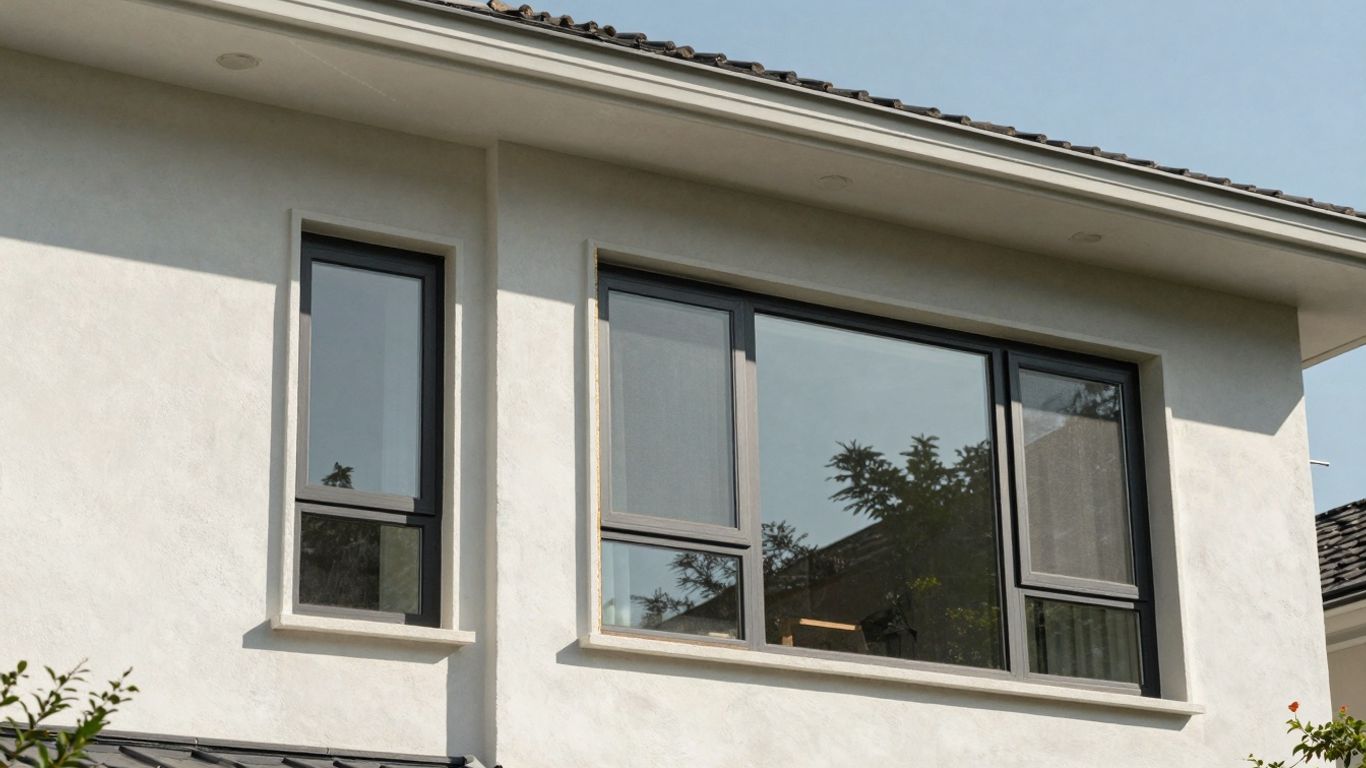
When you’ve got good seals, you can just relax a little more about your property. It’s not just about keeping the weather out; it’s about preventing a whole host of problems that can really mess with your life and your wallet. A well-sealed building is a safer, healthier, and more stable building. Think of it as a shield for your investment.
Preventing Costly Water Damage and Infestations
Water is sneaky. It finds the tiniest cracks and can cause a surprising amount of damage over time. Leaks from rain or melting snow can soak into your walls, floors, and foundations. This moisture doesn’t just mean annoying damp spots; it can lead to rot in wooden structures, rust in metal components, and even compromise the structural integrity of your building. Plus, where there’s moisture, pests like insects and rodents often follow. They can chew through insulation, wiring, and pretty much anything else, causing more damage and creating an infestation nightmare. Keeping these entry points sealed tight is your first line of defense.
Mitigating Health Risks from Mold and Mildew
That dampness we just talked about? It’s a perfect breeding ground for mold and mildew. These aren’t just unsightly; they release spores into the air that can cause a range of health problems for people living or working in the building. We’re talking about allergies, asthma flare-ups, respiratory issues, and general irritation. For anyone with existing health conditions, these can be particularly serious. Good seals keep the moisture out, which in turn prevents mold and mildew from taking hold and making your home or business an unhealthy place to be.
Ensuring Structural Integrity and Longevity
Over the years, buildings naturally expand and contract with temperature changes. Without proper seals, these movements can create small gaps. If water gets into these gaps and then freezes, it expands, widening the cracks even further. This freeze-thaw cycle can seriously weaken materials like concrete and masonry. Robust seals accommodate this movement while still blocking out water and air. This protection helps your building materials last longer and keeps the overall structure sound, meaning fewer major repairs down the road and a property that stands the test of time.
Identifying Critical Areas for Sealing
When you’re thinking about sealing up your property, it’s easy to get overwhelmed. Where do you even start? Well, the trick is to focus on the spots that are most likely to let in the bad stuff – water, air, and critters. These are the places that take a beating from the weather or where different parts of your house meet.
Exterior Vulnerabilities: Windows, Doors, and Roof Connections
Your windows and doors are obvious culprits. Think about it: they open and close all the time, and they’re directly exposed to rain, wind, and sun. Gaps around window frames or door jambs are prime spots for leaks and drafts. It’s not just about comfort, either; letting in moisture here can lead to rot in the wood or damage to the surrounding walls over time. Don’t forget the roof connections, too. Where the roof meets the walls, or around any vents or chimneys, these areas are often overlooked but are super important for keeping water out. A small crack up there can mean big problems down below.
Building Penetrations and Interior Transitions
Then there are all the places where something has to go through your walls or floors. This includes things like pipes for plumbing, electrical conduits, or HVAC vents. Each of these is a potential entry point for water and air if not sealed properly. Inside the house, pay attention to where different materials meet. For example, the transition from a tile floor to a wooden floor, or where a wall meets the ceiling, can sometimes be weak spots. These transitions need a good seal to keep things tidy and dry.
Basement and Foundation Integrity
Finally, let’s talk about the basement and foundation. This is the part of your house that’s literally underground, so it’s constantly dealing with soil moisture and pressure. Cracks in the foundation walls or where the foundation meets the basement floor are common places for water to seep in. This can lead to dampness, mold growth, and even structural issues if left unchecked. Sealing these areas is key to preventing a wet, musty basement and protecting the overall health of your home.
Selecting the Right Products for Lasting Seals
Picking the right stuff to seal up your building is a big deal. It’s not just about slapping some goo into a crack; you’ve got to think about what you’re sealing and what the weather’s going to throw at it. Get it wrong, and you’ll be doing it all over again way sooner than you want.
Choosing Sealants for Moisture and Weather Resistance
When you’re dealing with places that get wet, like around windows, doors, or in bathrooms, you need a sealant that laughs in the face of water. Silicone sealants are usually a good bet here. They’re super flexible, which is great because buildings move a bit, especially with temperature changes. This flexibility means the seal won’t crack or pull away when things expand or contract. For the outside of your building, you really want something that can handle the sun’s rays and all sorts of weather. Look for products specifically labeled as ‘weatherproof’ or ‘exterior grade’. These are made to stand up to UV rays, freezing temperatures, and heavy rain without breaking down.
Fire-Resistant and Durable Acrylic Options
Safety first, right? In some buildings, especially commercial ones, fire codes are no joke. If you’re in an area where fire spread is a major concern, you’ll want to look into fire-resistant sealants. These can actually help slow down a fire, giving people more time to get out. They’re a bit more specialized, but for the right spot, they’re worth it. Acrylic latex sealants are another popular choice, especially for interior jobs or where you plan to paint over the seal. They’re pretty durable and hold up well, plus they’re easier to clean up than some other types. The key is matching the sealant’s properties to the specific demands of the location.
Material Compatibility and Environmental Considerations
Before you grab the first tube you see, check what you’re sealing. Does the sealant stick to wood? Metal? Concrete? Brick? Most product labels will tell you what materials they work best with. Using the wrong type can mean the seal just won’t stick, or worse, it could damage the material it’s supposed to protect. Also, think about the environment. Are you working indoors or outdoors? Are there kids or pets around? Some sealants have strong fumes while they cure, so ventilation is important. There are also ‘low-VOC’ (volatile organic compound) options available if you’re trying to be more eco-friendly or if air quality is a concern.
Here’s a quick rundown of common sealant types:
- Silicone: Great for wet areas, flexible, good weather resistance. Can be tricky to paint over.
- Acrylic Latex (Caulk): Easy to use, cleans up with water, paintable. Good for general indoor use and less extreme outdoor conditions.
- Polyurethane: Very strong, durable, and flexible. Excellent for exterior use and areas with a lot of movement, but can be more expensive and harder to find.
- Fire-Resistant: Specifically designed to slow fire and smoke spread. Required in certain building codes.
Choosing the right sealant isn’t just about filling a gap; it’s about selecting a material that will perform reliably for years to come, protecting your property from the elements and maintaining its structural integrity. Taking a few extra minutes to read labels and understand your options can save a lot of headaches down the road.
Maintaining Seals for Optimal Performance
So, you’ve got these seals in place, right? They’re doing their job, keeping the weather out and your home comfy. But like anything, they don’t last forever without a little attention. Think of it like taking care of your car – regular check-ups mean fewer big, expensive problems down the road. The same goes for your property’s seals. Keeping them in good shape is key to making sure they keep doing their job effectively for years to come.
Routine Inspections and Early Issue Detection
This is probably the most important part. You don’t want to wait until you see a drip or feel a draft to check your seals. A good habit is to just do a quick walk-around, maybe once or twice a year. Look closely at all the places where you have seals – around windows, doors, where pipes come through walls, and especially in the basement. What you’re looking for are things like cracks, gaps, or if the sealant is pulling away from the surface. Sometimes, dirt and grime can build up, which might look bad but is usually easy to clean. Other times, you might see signs of mildew or discoloration, which could mean moisture is getting in. Catching these little issues early means you can often fix them with a simple touch-up, saving you a lot of hassle and money later on. It’s like spotting a tiny tear in your favorite shirt before it becomes a big hole.
Proper Cleaning Techniques for Sealant Durability
When it’s time to clean, keep it simple. Most of the time, a little bit of mild soap and water is all you need. Scrub gently with a soft brush or cloth. You really want to avoid using harsh chemicals, strong solvents, or abrasive cleaners. Those things can actually break down the sealant over time, making it brittle and less effective. For really stubborn dirt, you might need something a bit stronger, but always test it on a small, hidden spot first to make sure it doesn’t damage the seal. If you have silicone seals, there are special conditioners you can use that help keep them flexible and prevent them from drying out. Just remember to also clean the surfaces right next to the seals, because if those are damaged or dirty, it can affect how well the seal holds up.
Addressing Damage and Reapplication Strategies
Sometimes, despite your best efforts, seals get damaged. Maybe a branch hit the side of the house, or perhaps an old seal just gave up the ghost. If you find a section that’s cracked, peeling, or completely missing, it’s time to think about reapplication. The first step is to carefully remove all the old, damaged sealant. You can use a putty knife or a special tool for this. Make sure the area is completely clean and dry before you put on any new sealant. If you just slap new stuff over the old, it won’t stick properly and will likely fail again quickly. Choosing the right type of sealant for the job is also important, especially if it’s an area that gets a lot of sun or moisture. For professional help with these kinds of repairs, you might consider looking into quality sealing services.
Keeping your seals in good shape isn’t just about preventing leaks; it’s about protecting the whole structure of your home. Good seals stop moisture from getting into walls and foundations, which can cause rot and mold. They also help keep pests out. When seals are working right, your home stays more comfortable, and your energy bills stay lower because you’re not losing heated or cooled air. It’s a small maintenance task that has a big impact on your property’s overall health and value.
The Energy Efficiency Benefits of Well-Sealed Properties
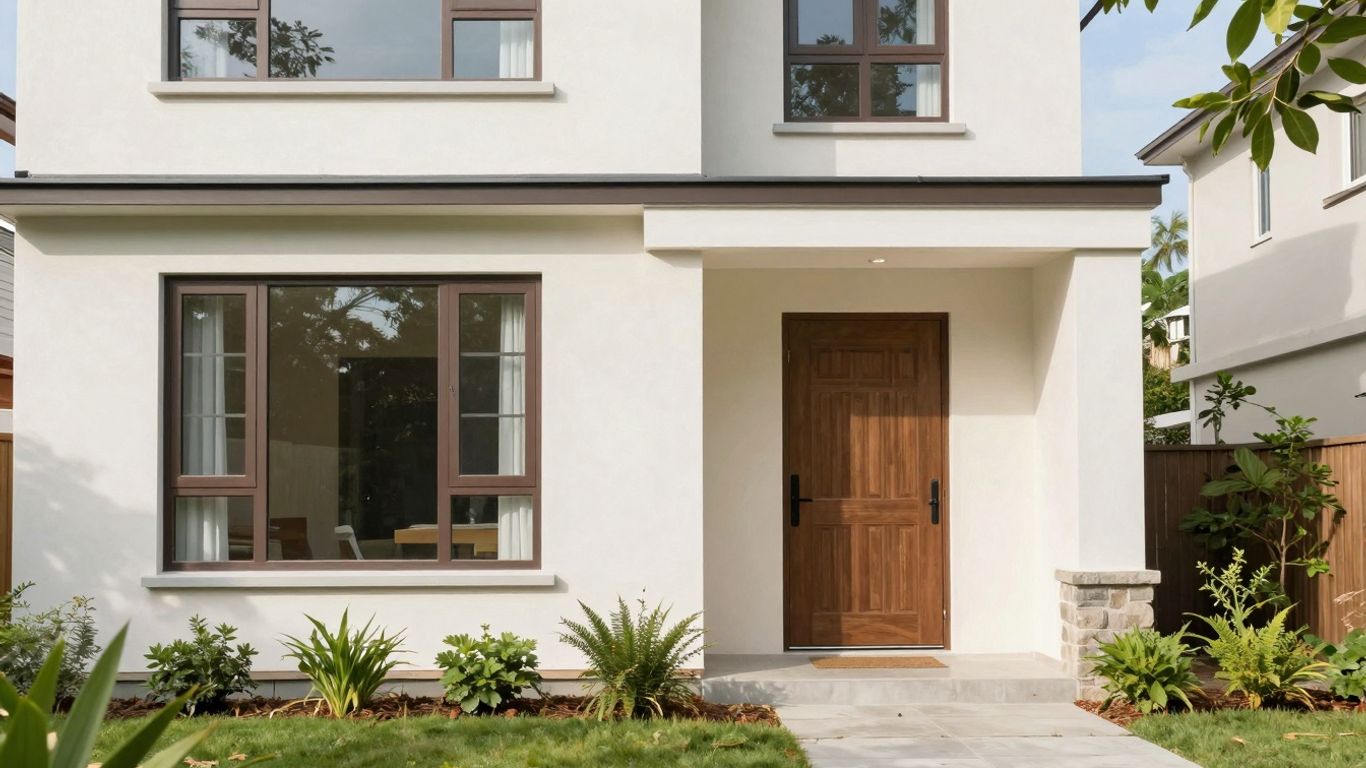
When your property is properly sealed, it’s like giving it a cozy, well-fitting coat. This means less air sneaking in or out, which directly impacts how much you spend on heating and cooling. Think about it: if your windows have gaps or your roofline isn’t sealed tight, all that expensive warm air in the winter just escapes, and the cool air from your AC in the summer does the same. It’s a constant battle for your HVAC system, making it work overtime and driving up those utility bills.
Reducing Heating and Cooling Costs
A well-sealed building is a more economical building. When air leaks are minimized, your heating and cooling systems don’t have to work as hard to maintain a comfortable temperature. This reduced workload translates into noticeable savings on your monthly energy expenses. It’s a simple concept: keep the conditioned air in and the outside air out. This efficiency isn’t just about saving money; it’s also about reducing your property’s environmental footprint.
Maintaining Consistent Indoor Temperatures
Beyond just saving money, good seals help create a more stable and pleasant indoor environment. You know those drafty spots near windows or doors? Seals fix that. They help prevent those uncomfortable temperature fluctuations that can make certain rooms feel chilly in winter or stuffy in summer. This consistency makes your property a more comfortable place to live or work, day in and day out.
Improving Acoustic Performance
While we often think of seals for temperature and moisture control, they also play a role in soundproofing. Gaps and cracks in your building’s envelope can allow outside noise to penetrate, making it harder to concentrate or relax. By sealing these openings, you can significantly reduce the amount of external sound that enters your property, leading to a quieter and more peaceful interior. It’s a nice bonus that often gets overlooked but adds to the overall comfort and appeal of a well-maintained property.
The Bottom Line on Seals
So, when you really think about it, taking care of your property’s seals isn’t just about keeping things looking neat. It’s a smart move that actually protects your investment and makes life a whole lot less stressful. Good seals keep out the bad stuff – water, drafts, even little critters – which means fewer expensive repairs down the road and lower energy bills. Plus, knowing your home or building is properly sealed up gives you a real sense of security. It’s a simple step, but it makes a big difference in how your property holds up and how you feel about it.
Frequently Asked Questions
How do good seals make my house worth more?
When your house has strong seals, it means less water and air can get in. This prevents damage like mold and rot, which are expensive to fix. Buyers see this as a sign that the house is well-cared for and won’t need immediate costly repairs. A well-sealed home also feels more comfortable and energy-efficient, making it more attractive and thus increasing its value.
What’s the biggest benefit of having good seals?
The biggest benefit is peace of mind. Knowing your home is protected from water leaks, pests, and drafts means you won’t have to worry about sudden, expensive damage. It also means a healthier living space, free from mold and mildew, and a more comfortable temperature year-round. It’s about feeling secure in your home.
Where are the most important places to check for sealing problems?
You should definitely check around windows and doors, as these are common spots for leaks. Also, look at where the roof meets the walls, any places where pipes or wires go through the walls, and the entire basement or foundation area. These spots are often exposed to the weather or can be entry points for water and pests.
What kind of sealing products should I use?
It depends on where you’re sealing. For areas that get wet, like bathrooms or around windows, use sealants that are waterproof and flexible, like silicone. For outside areas that face sun and rain, pick products made to handle tough weather. Always check if the sealant is compatible with the materials you’re sealing, like wood, metal, or concrete.
How often should I check and maintain my seals?
It’s a good idea to look at your seals a couple of times a year, especially after big storms or changes in weather. Look for any cracks, gaps, or signs of peeling. Cleaning them regularly with mild soap and water can also help them last longer. If you see damage, fix it right away before it becomes a bigger problem.
Do good seals really help save money on energy bills?
Absolutely! When your home is sealed tight, heated or cooled air stays inside, and outside air stays out. This means your heating and cooling systems don’t have to work as hard to keep the temperature comfortable. Over time, this can lead to noticeable savings on your electricity or gas bills.