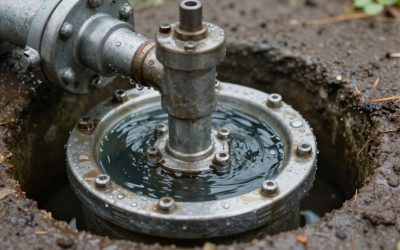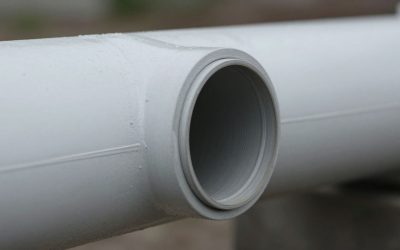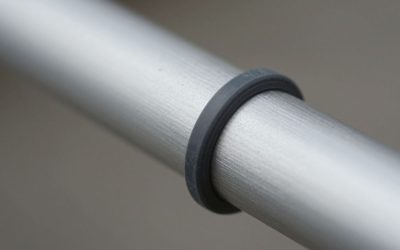
Keeping industrial equipment running smoothly often comes down to the small parts, like seals. You might not think about them much until something goes wrong, but well-maintained seals are a technician’s best friend. How well seals make maintenance easier for technicians is a big deal, especially when you’re trying to keep things running without constant headaches. It’s about preventing bigger problems before they even start, making the whole job simpler and safer.
Key Takeaways
- Properly functioning seals are vital for preventing leaks in critical equipment, which directly contributes to safer industrial processes and overall system integrity.
- Regular inspections and proactive care of seals help identify wear early, preventing minor issues from escalating into costly equipment failures and downtime.
- Well-maintained seals boost operational efficiency by minimizing fluid loss, reducing energy waste, and ensuring accurate fluid handling, which is especially important in sensitive industries.
- Seal integrity is a cornerstone of workplace safety, mitigating risks from hazardous leaks and ensuring compliance with safety regulations to protect personnel.
- Investing in skilled technicians for seal installation and maintenance is crucial, as their understanding of seal sensitivity and proper techniques leads to greater reliability and easier upkeep.
Understanding Seal Functionality and Importance
Preventing Leaks in Critical Equipment
Think about your favorite water bottle – the one that never leaks in your backpack, keeping everything else dry. Seals work kind of like that, but for big, important machines. Their main job is to keep liquids and gases exactly where they’re supposed to be. This is super important in places like chemical plants or food processing facilities where even a small leak could cause big problems, like making a mess, wasting expensive materials, or even creating a safety hazard. A good seal is the first line of defense against unwanted escapes.
Ensuring Safe and Efficient Industrial Processes
When seals do their job right, machines run better. They help keep the pressure inside the equipment steady, which means everything operates as it should. This isn’t just about making things run smoothly; it’s also about safety. If dangerous chemicals or gases were to leak out, it could put people and the environment at risk. Well-functioning seals help prevent these kinds of accidents, making industrial processes safer for everyone involved.
The Role of Seals in Maintaining System Integrity
Seals are like the unsung heroes of machinery. They might be small, but they play a huge part in keeping the whole system working correctly. They stop outside stuff from getting in and inside stuff from getting out. This keeps the system clean and prevents contamination, which is vital for things like making medicine or food. Without good seals, the whole system could get messed up, leading to breakdowns and costly repairs.
Here’s a quick look at why seals matter:
- Leak Prevention: Stops fluids and gases from escaping.
- System Purity: Keeps contaminants out and valuable materials in.
- Operational Stability: Helps maintain correct pressure and flow.
- Equipment Longevity: Protects internal parts from damage and wear.
Seals are often overlooked, but their performance directly impacts the reliability and safety of industrial operations. Paying attention to their condition is key to avoiding bigger issues down the line.
Proactive Maintenance for Extended Equipment Life
Think of your equipment like a car. You wouldn’t just drive it until it breaks down, right? Same goes for industrial machinery. Taking care of the seals and gaskets is a big part of keeping things running smoothly for a long time. It’s not just about fixing things when they go wrong; it’s about preventing problems before they even start. This kind of attention can really make your gear last longer and perform better.
Identifying Early Warning Signs of Seal Degradation
Sometimes, seals give you hints that they’re not doing so great. You just have to know what to look for. A little drip here, a weird noise there – these aren’t things to ignore. Catching these small issues early is key to avoiding major headaches down the road.
- Minor Leaks: Even a small seep can be a sign that the seal is starting to wear out or isn’t seated correctly.
- Unusual Noises: Listen for any new squeaks, grinding, or humming sounds coming from the equipment, especially around the seal area.
- Temperature Changes: If a component feels unusually hot to the touch, it could indicate increased friction due to a failing seal.
- Vibration: An increase in vibration can mean the seal isn’t providing the support it should, or that something is out of alignment.
Addressing Minor Issues Before They Escalate
So, you’ve spotted a small problem. Great! Now, what? The trick is to fix it now. Don’t wait. A tiny leak might seem harmless, but it can lead to bigger problems like contamination or loss of pressure. A quick adjustment or a simple replacement of a worn part can save you a lot of trouble.
It’s easy to think a small issue isn’t a big deal, especially when you’re busy. But in the world of machinery, small problems have a way of growing. What starts as a minor drip can turn into a major leak, causing downtime and costing a lot of money. Being proactive means dealing with these little things before they get out of hand.
Preserving Seal Condition Through Regular Care
Keeping seals in good shape isn’t a one-time thing. It’s about a routine. This means making sure they have what they need, like proper lubrication, and that they aren’t being pushed beyond their limits. Regular checks and following the manufacturer’s advice can make a huge difference in how long your seals, and the equipment they protect, will last. It’s all about consistent, gentle care for your machinery’s vital components.
Enhancing Operational Efficiency with Well-Maintained Seals
When machines run smoothly, everything just works better, right? It’s the same in industrial settings. Seals might seem small, but they play a huge part in how efficiently equipment operates. Think of them as the gatekeepers, stopping valuable fluids or gases from escaping. When they do their job right, it means less wasted energy and fewer materials going out the door when they shouldn’t.
Optimizing Energy Usage and Reducing Material Waste
Properly functioning seals are like tiny efficiency experts. They prevent leaks, which means the equipment doesn’t have to work harder than it needs to. This directly translates to lower energy bills. Plus, if you’re not losing product through leaks, you’re not wasting raw materials either. It’s a simple concept, but the impact on the bottom line and the environment can be pretty significant.
- Less energy consumed: Equipment doesn’t need to compensate for lost pressure or volume.
- Reduced material loss: Products or process fluids stay where they belong.
- Lower disposal costs: Less waste means less to clean up and dispose of.
Minimizing Fluid Loss and Energy Consumption
Leaks are the enemy of efficiency. Even a small drip can add up over time, leading to substantial fluid loss. This isn’t just about replacing lost product; it’s also about the energy it took to produce or heat/cool that fluid in the first place. When seals are in good shape, they keep everything contained, meaning the system operates at its intended performance level without that extra energy drain.
Keeping seals in top condition is a direct investment in reducing operational expenses. It’s about making sure the energy you pay for is actually doing the work it’s supposed to, not just escaping through a faulty seal.
Ensuring Precise Fluid Handling in Critical Industries
In some industries, like food processing or pharmaceuticals, precision is everything. A seal that’s not quite right can lead to contamination or inaccurate measurements. This can ruin entire batches of product, leading to massive financial losses and potential safety issues. Well-maintained seals guarantee that the right amounts of the right substances are where they need to be, every single time. This reliability is what keeps these sensitive operations running smoothly and safely.
Promoting Workplace Safety Through Seal Integrity
Mitigating Risks from Leaking Fluids and Gases
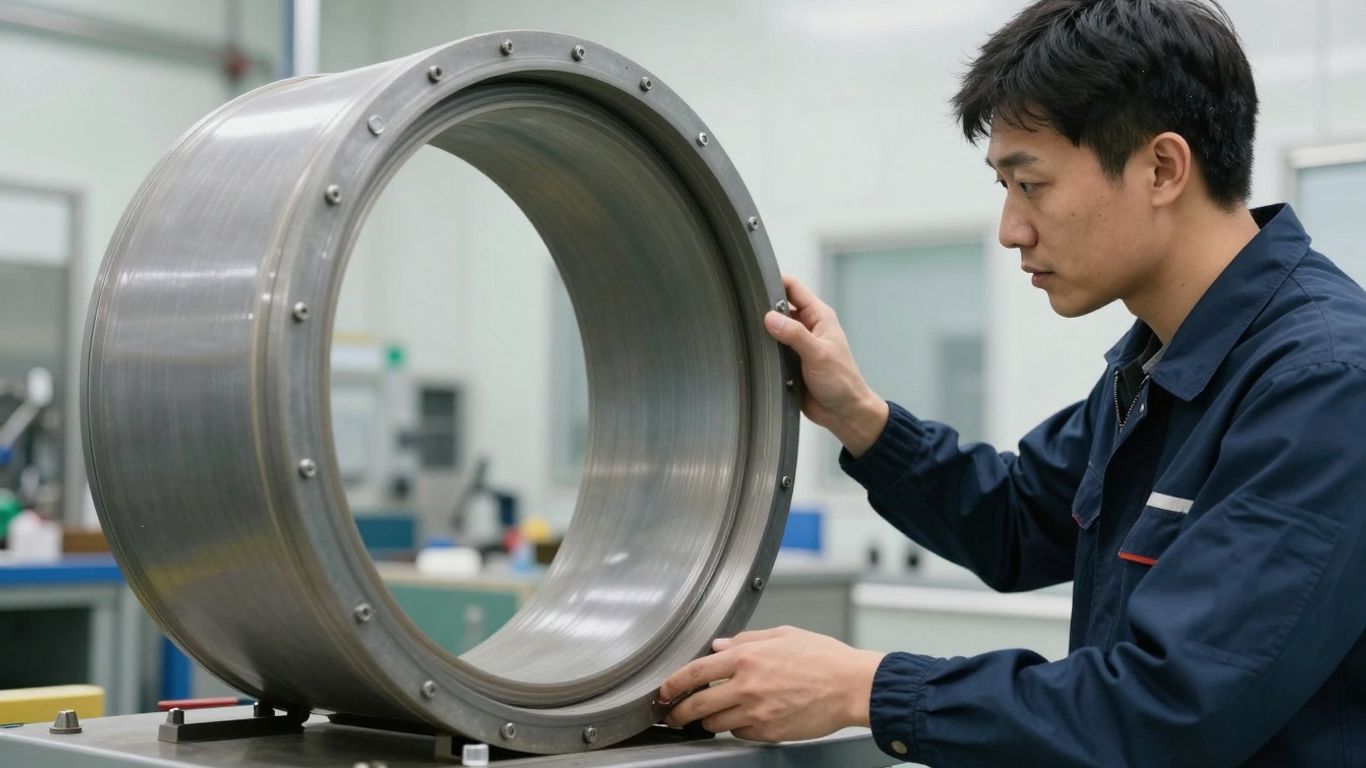
When seals start to go bad, it’s not just about a bit of mess. We’re talking about potential hazards that can really mess up a workday. Think about it: a faulty seal on a pump carrying chemicals could mean a nasty spill. This isn’t just inconvenient; it’s a direct threat to everyone working nearby. Leaks can release fumes that are bad to breathe, or create slippery spots on the floor that are just asking for someone to take a tumble. Keeping seals in good shape is a big part of making sure the air stays clean and the floors stay dry and safe.
Protecting Personnel from Hazardous Substance Exposure
Many industrial processes involve materials that are definitely not good for you if you get too close. Whether it’s corrosive liquids, volatile gases, or even just high-pressure steam, a compromised seal can let these things escape. This puts technicians and anyone else in the vicinity at risk of skin burns, respiratory problems, or worse. Regular checks and timely replacement of seals mean these dangerous substances stay where they belong, inside the equipment, not out in the open where they can cause harm. It’s about creating a barrier that reliably keeps hazards contained.
Ensuring Compliance with Safety Regulations
There are rules for a reason, and many of them have to do with keeping workplaces safe. When equipment is leaking because of bad seals, you’re likely not meeting those standards. Regulatory bodies have specific requirements for how chemicals and other potentially harmful substances must be handled and contained. Failing to maintain seals properly can lead to fines, shutdowns, and a lot of headaches. Proactive seal maintenance isn’t just good practice; it’s a way to stay on the right side of the law and avoid serious penalties. It shows you’re taking safety seriously, which is good for business and good for your team.
The Necessity of Skilled Technicians for Seal Care
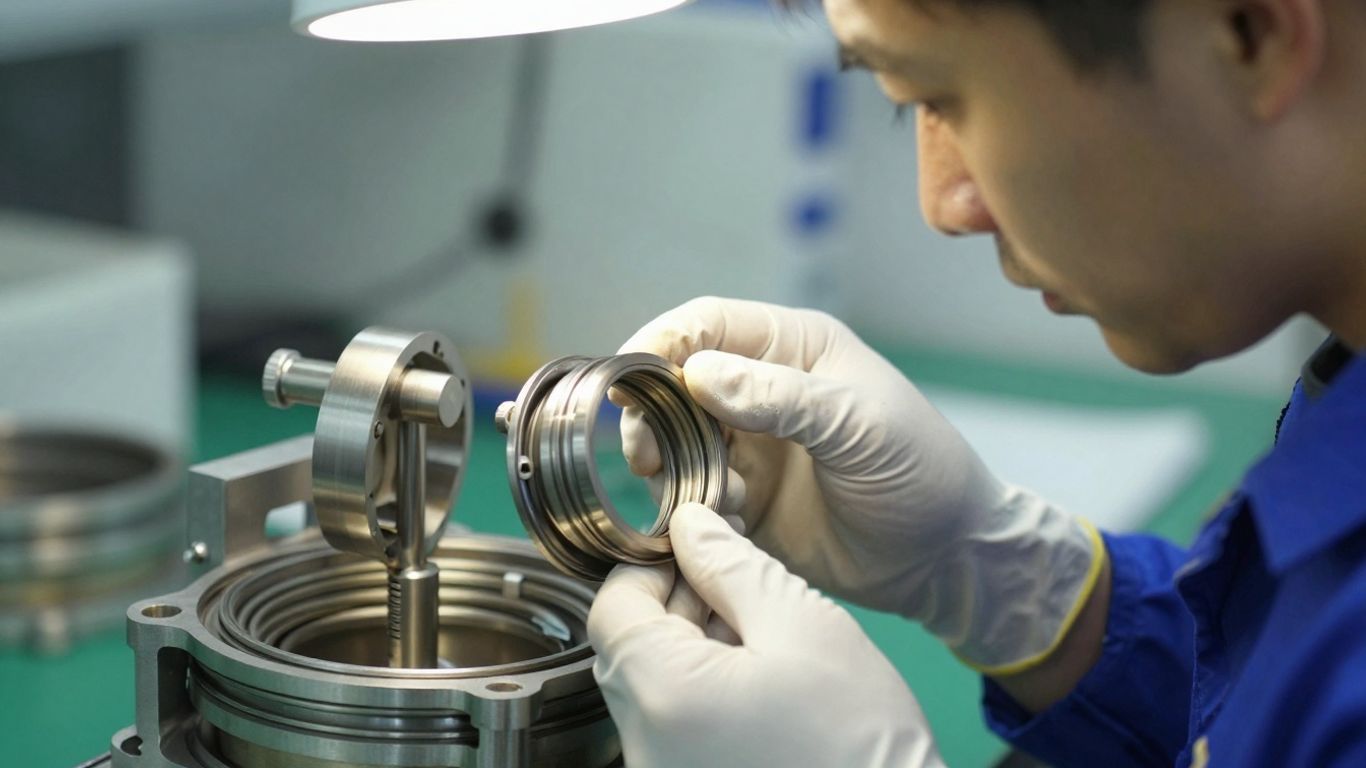
Investing in Expertise for Long-Term Reliability
Look, nobody wants to deal with equipment failures. It’s a headache, plain and simple. But when it comes to mechanical seals, you really can’t afford to cut corners. These aren’t just simple rubber rings; they’re precision components. Getting them right from the start, and keeping them right, means having people who actually know what they’re doing. Think of it like hiring a specialist surgeon versus a general practitioner for a complex operation. You pay more upfront for that specialized knowledge, sure, but the long-term payoff in reliability and avoiding costly mistakes is huge. It’s about preventing those surprise breakdowns that halt production and cost a fortune in lost time and emergency repairs.
Understanding Sensitivity to Misalignment and Vibration
Mechanical seals are surprisingly delicate. They don’t take kindly to being out of sorts. If a pump shaft isn’t perfectly aligned, or if the whole machine is shaking more than it should, that puts extra stress on the seal. This kind of misalignment or excessive vibration can cause the seal faces to wear down much faster than they should. It’s not always obvious, either. A technician needs to be able to spot the subtle signs that something’s off, like unusual noises or slight temperature changes, before it becomes a major problem. They need to know how to check alignment accurately and understand what level of vibration is acceptable for a given piece of equipment.
Proper Installation Techniques for Optimal Performance
This is where a lot of problems start, honestly. You can have the best seal in the world, but if it’s installed incorrectly, it’s doomed from the get-go. It’s not just about shoving it into place. Technicians need to know the right way to handle the seal, use the correct lubricants (and not too much or too little!), and make sure it’s seated perfectly. A seal that’s twisted, pinched, or not seated squarely will fail prematurely. It’s a detail-oriented job that requires patience and a good understanding of how the seal interacts with the rest of the machinery. Getting the installation right the first time saves everyone a lot of grief down the road.
Here’s a quick rundown of what goes into a good installation:
- Cleanliness is Key: The mounting area and the seal components themselves must be spotless. Dirt is the enemy.
- Lubrication Matters: Using the specified lubricant, and applying it correctly, reduces friction during installation and initial operation.
- Gentle Handling: Seals, especially the delicate faces, need to be handled with care to avoid nicks or damage.
- Correct Orientation: Ensuring the seal is installed in the right direction is vital for its function.
- Proper Seating: The seal must be fully and evenly seated in its housing without being forced.
Leveraging Technology for Superior Seal Management
Keeping seals in good shape doesn’t have to be a guessing game anymore. We’ve got tools now that make tracking and managing them way easier. Think of it like having a digital assistant for all your seals.
Utilizing CMMS for Tracking and Scheduling
Computerized Maintenance Management Systems, or CMMS, are pretty neat. They act like a central hub for all your maintenance info. You can log when seals were last checked, when they’re due for a look-over, and keep a history of any work done. This means no more lost paperwork or forgotten tasks. It helps you stay on top of things before a small issue becomes a big headache.
Here’s a quick look at what a CMMS can do:
- Centralized Data: All seal information in one place.
- Automated Reminders: Get alerts for upcoming inspections.
- Work Order Generation: Easily create tasks for maintenance.
- History Tracking: See past repairs and performance.
Implementing Predictive Maintenance Strategies
Instead of just reacting when a seal fails, we can start predicting when it might fail. This is where data comes in. By looking at how seals have performed over time, and considering factors like operating hours, temperature, and pressure, we can use analytics to guess when a seal might be on its last legs. It’s like knowing your car needs new tires before they blow out on the highway.
Predictive maintenance shifts our focus from fixing problems after they happen to preventing them before they disrupt operations. It’s about being smart with our resources and time.
Exploring Emerging Trends in Seal Technology
The world of seals isn’t standing still. There are some cool new developments happening. We’re seeing seals with built-in sensors that can tell us their condition in real-time. Imagine a seal that sends a notification when it’s starting to wear out – pretty wild, right? There are also new materials being developed that are tougher and last longer. Keeping an eye on these trends can help us choose even better seals for the future.
Best Practices for Seal Inspection and Replacement
Taking care of seals and gaskets is a big part of keeping machines running smoothly. It’s not just about fixing things when they break; it’s about being smart and catching problems early. Regular checks and knowing how to swap out old seals for new ones can save a lot of headaches down the road.
Establishing Regular Inspection Schedules
Think of inspections like going to the doctor for a check-up. You don’t wait until you’re really sick, right? The same goes for seals. You need a plan for when to look at them. How often depends on what the machine does and what conditions it works in. For really important gear, checking every three months might be the way to go. For less critical stuff, maybe twice a year or even just once a year is enough. It’s all about following what the maker suggests and what makes sense for your specific setup.
Employing Proper Inspection Techniques
Just looking isn’t always enough. Sometimes you need to get a bit more hands-on. A good visual check is the first step – look for cracks, hardening, or any signs of leaks. But sometimes, you might need to use special tools. Things like ultrasonic testers or thermal imaging cameras can show you problems you can’t see with just your eyes. These tools can spot issues like hidden leaks or areas that are getting too hot, which are early warnings that something’s not right.
Standardizing Replacement Procedures for Consistency
When it’s time to swap out a seal, having a clear, step-by-step process is key. This makes sure everyone on the team does it the same way, every time. This consistency helps avoid mistakes. For example, you always want to make sure the new seal isn’t damaged before you put it in. And you definitely don’t want to let a seal run dry, as that can cause it to fail quickly. Having a checklist for replacement can really help.
Here’s a quick rundown of what to look for:
- Visible cracks or tears in the seal material.
- The seal feeling hard, brittle, or overly soft and mushy.
- Any discoloration or signs of chemical attack on the material.
- Evidence of leaks, like drips or wet spots around the seal area.
- Unusual noises or vibrations coming from the equipment, which could indicate a seal issue.
When replacing seals, always use the correct parts specified by the manufacturer. Using the wrong size or type can lead to premature failure and damage to other components. It’s also important to clean the sealing surfaces thoroughly before installing the new seal to remove any dirt or debris that could compromise the seal’s effectiveness.
Remember, seals are small parts, but they do a really big job. Paying attention to them with good inspection and replacement habits makes a huge difference in how long your equipment lasts and how well it performs.
Wrapping It Up
So, when it comes down to it, taking good care of your seals really does make a technician’s job a whole lot smoother. It’s not just about preventing a big mess or a costly breakdown, though that’s a huge part of it. When seals are in good shape and installed right, everything just works better. Technicians spend less time wrestling with leaky equipment or figuring out what went wrong, and more time on actual productive work. It’s a simple idea, really: well-made, well-maintained seals mean less hassle and more efficiency for everyone involved.
Frequently Asked Questions
What exactly does a seal do in a machine?
Think of a seal like a gatekeeper for liquids or gases inside a machine. Its main job is to stop these important fluids from leaking out where they shouldn’t, keeping everything clean, safe, and working the way it’s supposed to.
Why is it important to keep seals in good shape?
When seals work well, machines run smoothly and don’t waste energy or materials. Keeping them in good shape also prevents leaks that could be messy, dangerous, or harm the environment. It’s like taking care of your bike so it rides better and lasts longer.
How do I know if a seal needs attention?
Watch out for little signs! Things like tiny drips, strange noises, or if the machine feels hotter than usual can mean a seal is starting to wear out. Catching these small problems early can save you from bigger, more expensive issues later.
Can any technician fix or replace a seal?
Not quite. Seals can be tricky and need careful handling. It’s best to have trained technicians who know how to put them in just right, without bending or damaging them. This makes sure the seal does its job perfectly.
What happens if I ignore seal maintenance?
If you don’t take care of seals, they can break, causing big leaks. This might stop the whole machine, cost a lot to fix, and even create dangerous situations for people working nearby. It’s better to be safe than sorry!
Are there new technologies that help with seal maintenance?
Yes! We now have smart computer systems that help track when seals need checking and special tools that can predict when a seal might fail. There are also new materials and ways to make seals that make them last even longer and work better.