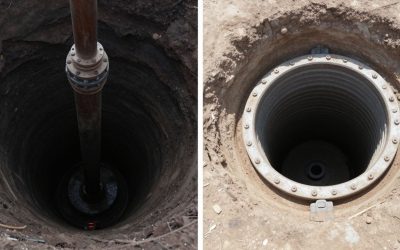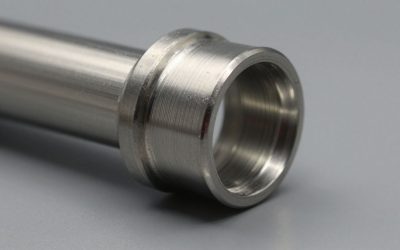
Ever wonder about the water you drink from a well? It’s pretty important that it stays clean, right? Unfortunately, there are lots of ways for bad stuff to get into our groundwater. Things like rain washing over farms or leaky old landfills can be a real problem. That’s where well seals come in. They’re like the first line of defense, keeping those contaminants out and making sure the water is safe. This article is going to look at How Well Seals Protect Against Surface Runoff Pollution.
Key Takeaways
- Groundwater can get dirty from things on the surface, like water running off farms or from trash dumps.
- Well seals act as a barrier, stopping pollution from reaching the groundwater.
- Different types of seals, like grout and bentonite, work in different ground conditions.
- Putting seals in the right way and checking them often is important for them to work well over time.
- Rules are in place to make sure wells are sealed properly, which helps protect our drinking water.
Understanding The Role Of Well Seals In Preventing Surface Runoff Pollution
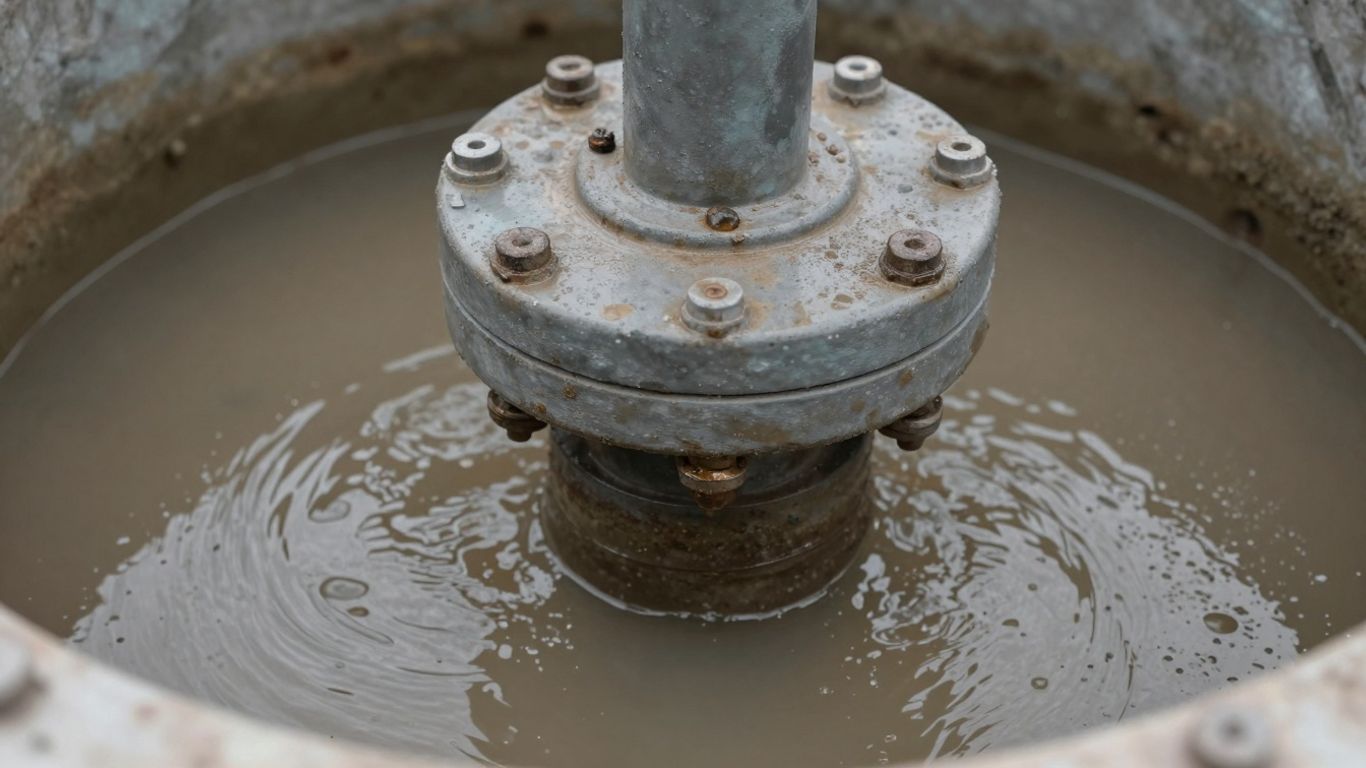
Blocking Surface Intrusion
So, you’ve got a well, and it’s your lifeline to clean groundwater. But have you ever stopped to think about what’s happening on the surface above it? Rain, snowmelt, even just water from your garden hose – it all flows somewhere. When this surface water moves across the land, it can pick up all sorts of unwanted passengers: dirt, animal waste, fertilizers, pesticides, oil drips from the driveway, you name it. Without a proper seal around your wellhead, this runoff has a direct highway straight down into your well. It’s like leaving the front door wide open for trouble. The well seal acts as that crucial barrier, a solid plug that stops this surface flow and the contaminants it carries from seeping into the ground and eventually into your water supply. It’s the first step in keeping your groundwater pure.
Preventing Contamination From The Surface
Think about all the things that can wash across the ground. We’re not just talking about a bit of mud. Pesticides from a neighbor’s lawn, animal droppings, chemicals from leaky storage tanks – these can all be carried by surface water. If your well isn’t sealed tight, these pollutants can easily find their way down the annular space (that’s the gap between the well casing and the drilled hole) and into the aquifer. This is especially concerning because groundwater can move quite a distance, meaning contamination from one spot can affect wells far away. A good seal prevents this direct pathway, stopping bacteria, nitrates, and other dissolved nasties from getting a free ride into the water you rely on.
The First And Last Line Of Defense
When it comes to protecting your well water from surface pollution, the seal is absolutely critical. It’s the initial barrier that prevents anything from getting in from the top. Imagine it like a cap on a bottle – it keeps the contents safe and clean. This seal works to keep out not just water but also insects, small animals, and debris that could otherwise enter the wellhead and cause problems. It’s the primary defense mechanism against anything happening on the surface that could compromise the quality of your groundwater. Without an effective seal, all other efforts to protect the aquifer are significantly weakened, making the seal truly the first and last line of defense for your well’s integrity.
How Well Seals Act As A Barrier Against Contaminants
So, you’ve got a well, and it’s your lifeline to clean groundwater. But what stops all the gunk from the surface from making its way down there? That’s where well seals really earn their keep. They’re basically the gatekeepers, and a good one is super important for keeping your water supply safe.
Stopping Rain, Snowmelt, And Surface Runoff
Think about what happens when it rains or when snow melts. Water flows over the land, and it picks up all sorts of things. We’re talking about dirt, maybe some fertilizer from a neighbor’s lawn, animal waste, or even oil that’s dripped from a car. If your wellhead isn’t sealed up tight, all that runoff has a pretty direct path to seep down into the ground and eventually into your aquifer. A well seal acts as a solid barrier, preventing this surface water from carrying pollutants directly into your water source. It’s not just about keeping out leaves and twigs; it’s about stopping a whole host of potential contaminants from getting a free ride into the water you drink.
Preventing Bacteria And Other Nasty Stuff
Beyond just general dirt and chemicals, surface runoff can carry some seriously unpleasant things. Bacteria from animal waste, viruses, and other microscopic nasties can all be present in that water. If a well seal is compromised, these harmful microorganisms can easily find their way into your well. This is a major concern for health, as these contaminants can cause a range of illnesses. The seal is your first line of defense against these invisible threats, keeping them from contaminating your drinking water.
Keeping Pollutants From Getting A Free Ride
Groundwater isn’t always isolated. Sometimes, different layers of water underground might have varying qualities. A well seal, especially the grout or bentonite used in the space between the well casing and the drilled hole, helps to keep these different water zones separate. This is important because a shallower water layer might be more prone to contamination than the deeper aquifer your well is drawing from. The seal prevents water from these less desirable or potentially contaminated upper layers from mixing with the cleaner water below. It’s like putting up internal walls to maintain the purity of your intended water source.
A well seal isn’t just a cap; it’s an integral part of the well’s construction designed to create an impermeable barrier. This barrier is vital for preventing the downward migration of surface contaminants and for maintaining the integrity of different groundwater zones.
Maintaining Groundwater Purity With Effective Well Seals
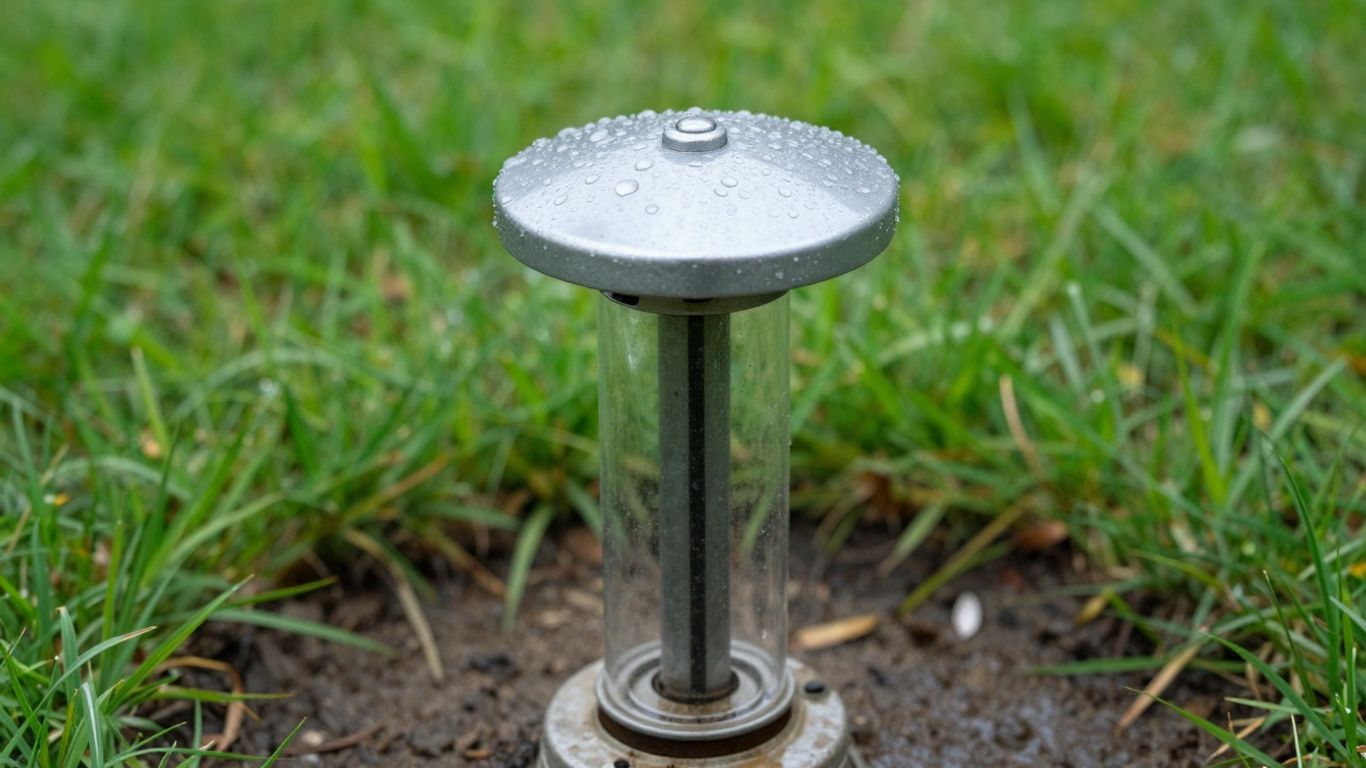
So, you’ve got a well, and it’s your lifeline to clean water. But how do you keep the surface gunk from sneaking down into that precious groundwater? That’s where well seals really earn their keep. They’re basically the gatekeepers, and a good seal is your first and last line of defense against all sorts of unwanted visitors.
Maintaining Water Integrity Below Ground
Think about what happens on the surface. Rain, snowmelt, even just water running off your lawn can pick up all sorts of things – fertilizers, pesticides, animal waste, oil drips from the driveway. If your wellhead isn’t properly sealed, all that stuff has a direct highway right down into the aquifer. A well seal acts like a plug, stopping that surface water and whatever it’s carrying from seeping down the sides of the well casing and into the water you rely on. It’s not just about keeping dirt out; it’s about preventing bacteria, nitrates, and dissolved chemicals from getting a free ride into your drinking water source.
Isolating Aquifer Zones
Groundwater isn’t always one big, uniform body of water. Often, you have different layers, or zones, that hold water, and they might not all be the same quality. Maybe one layer is nice and clean, but the one just above it has some minerals or is closer to potential pollution sources. The seal, especially the grout or bentonite used in the space between the well casing and the borehole wall (that’s called the annular space), helps to keep these different zones separate. This way, you can draw water from a cleaner, more desirable layer without it getting mixed with water from a less desirable one. It’s like putting up internal walls within the well to keep different water qualities from mingling.
Keeping Groundwater From Being Compromised
When a well seal isn’t doing its job, the whole system is at risk. It’s not just about the water quality today; it’s about the long-term health of your well and the aquifer. A compromised seal can lead to:
- Surface water intrusion: Rain and runoff can easily enter the well.
- Contaminant migration: Pollutants from the surface can travel down the annular space.
- Cross-contamination: Water from shallower, potentially less pure zones can mix with deeper, cleaner water.
- Well casing degradation: In some cases, corrosive surface water can damage the well casing over time.
A properly installed and maintained well seal is a critical component for protecting the quality and safety of your groundwater supply. It’s a relatively simple measure that provides significant protection against a wide range of potential pollutants, safeguarding both human health and the environment.
Types Of Well Seals And Their Protective Capabilities
When it comes to keeping your well water clean and safe, the seal around the top is a big deal. It’s not just a cap; it’s a carefully designed barrier. Different wells and ground conditions need different kinds of seals to do the best job. Let’s look at a couple of the main types you’ll run into.
Grout Seals For Boreholes
For wells drilled as a straight borehole, grout seals are a common choice. Think of it as filling the gap between the pipe (the casing) and the actual hole in the ground. This is usually done with a mix of cement, water, and sometimes other stuff like bentonite clay to make it seal even better. Once this mixture hardens, it creates a solid, waterproof wall. This stops surface water, and whatever might be in it, from just running down the outside of the pipe and into your well. It’s pretty effective, especially if the ground around the well is stable. The trick is making sure the grout is mixed right and poured so there are no air pockets or gaps left behind. A good grout seal is your first line of defense against shallow contamination.
Bentonite Seals For Permeable Formations
In areas where the ground is more like sand or gravel – basically, stuff that lets water move through it easily – bentonite seals are often used. Bentonite is a type of clay that has a neat trick: when it gets wet, it swells up a lot. This swelling action creates a really tight, flexible barrier. It’s great because it can fill in all the nooks and crannies in looser soil. This swelling clay forms a natural, impermeable layer that stops water from seeping down the sides of the well casing. It’s a more natural approach compared to cement, and it works well in formations where cement might crack or not seal as effectively due to ground movement.
Bentonite Clay
Bentonite clay itself is a star player in well sealing. It’s a natural clay that, when hydrated, expands significantly. This expansion creates a very effective, low-permeability barrier. It’s often used in granular form or as part of a slurry. Its ability to swell makes it ideal for sealing around well casings, especially in formations that might shift or settle over time. It’s a reliable material for preventing the unwanted movement of water and contaminants.
Cementitious Grout
When we talk about cementitious grout, we’re referring to mixtures primarily made of cement, water, and sometimes additives. These additives can include things like bentonite (to improve workability and sealing properties) or other chemicals to control setting time or strength. The main job of cementitious grout is to create a rigid, impermeable seal. Once it cures, it forms a hard barrier that physically blocks the path for contaminants. It’s a robust option, particularly in more stable geological conditions where a strong, permanent seal is needed.
The Long-Term Benefits Of A Secure Well Seal
So, you’ve got a well, and you’re probably thinking about the pump or maybe the water quality itself. But what about that seal around the top? It’s easy to forget, but a failing well seal can cause all sorts of headaches. Think of it like the lid on a jar – if it’s not on tight, things can get in that shouldn’t be there. A secure well seal is one of those things you don’t think about until it’s gone wrong. It’s the silent guardian of your water supply, working 24/7 to keep things safe. Don’t underestimate its power.
Ensuring Well Integrity
Beyond just keeping contaminants out, well seals are key to the overall health and longevity of the well itself. A good seal helps to:
- Blocks Surface Intrusion: Stops rain, snowmelt, and surface runoff from carrying pollutants into the well. This is your first line of defense against all sorts of gunk like dirt, chemicals, and animal waste.
- Prevents Animal Access: Keeps insects, rodents, and other small creatures from entering the wellhead. Nobody wants critters in their water supply!
- Maintains Pressure: Helps keep the well system sealed, which is important for proper pump operation. A leaky seal can mess with how efficiently your pump works.
Protecting Casing And Infrastructure
That seal isn’t just about the water; it’s also about protecting the physical parts of your well. Over time, the well casing, which is basically the pipe that goes down into the ground, can be exposed to the elements and potential corrosion. A well seal provides a protective layer right at the surface, shielding this critical infrastructure from damage. This means your well is less likely to suffer from rust or other wear and tear that could shorten its lifespan. It’s a small detail that makes a big difference in keeping the whole system running smoothly for years.
Maintaining Pressure For Proper Pump Operation
Think about your well pump. It needs a certain amount of pressure to work correctly and efficiently push water up to your house. A compromised seal can lead to pressure loss. This isn’t just an inconvenience; it can actually make your pump work harder than it needs to, leading to premature wear and tear. A well-sealed system helps maintain the necessary pressure, allowing your pump to operate at its best and last longer. This translates to fewer repair bills and a more reliable water supply.
A secure well seal is a small investment that pays off big time. It’s about preventing costly problems down the road, like expensive water treatment or even having to replace the entire well system. It’s about peace of mind, knowing your water is safe and your well is protected.
Ensuring Proper Well Sealing For Maximum Protection
So, you’ve got a well, right? It’s your connection to that clean groundwater. But how do you keep the yucky stuff from getting in? That’s where well seals come in. They’re like the gatekeepers for your water supply, and honestly, they’re super important. Without a good seal, all your efforts to protect groundwater can go right down the drain, literally. The way a well is sealed is just as important as the quality of the materials used.
The Critical Importance Of Proper Installation
Getting the sealant on right is just as important as picking the right kind. A poorly applied seal won’t do its job, no matter how good the product is. It’s a technical requirement that has direct, real-world consequences for the safety of our drinking water and the health of our communities. Ignoring these standards can lead to costly cleanup efforts and, more importantly, pose serious risks to human well-being. Here’s a quick rundown on getting it done right:
- Clean the Area: This is super important. Make sure the surface where you’ll apply the sealant is totally clean, dry, and free of any dirt, grease, or old sealant. A clean surface is key for a good bond.
- Prepare the Sealant: If you’re using a caulk gun, cut the tip of the sealant tube at an angle. This helps you get a nice, even bead.
- Apply Evenly: Apply a consistent bead of sealant around the well casing and the surrounding area. You want enough to create a solid barrier.
- Smooth It Out: Use a putty knife, a gloved finger, or a damp cloth to smooth the sealant into the gap. This helps it make good contact and looks neater.
- Let It Cure: Give the sealant plenty of time to dry and cure completely according to the manufacturer’s instructions. Trying to rush this step can ruin the seal.
Regular Checks And Maintenance
Well seals aren’t a ‘set it and forget it’ kind of deal. They need a little attention now and then to keep them doing their job. Think of it like checking the tires on your car – you wouldn’t wait until you have a flat, right? Regular inspections can catch small issues before they become big problems, like cracks or gaps forming due to ground movement or material aging. Depending on your location and the type of seal used, you might need to check it annually or every few years. Look for any signs of wear, damage, or separation from the casing or the ground.
Adhering To Regulatory Standards
Different places have different rules about how wells should be built and sealed. These aren’t just suggestions; they’re often legal requirements designed to protect everyone’s water supply. These standards usually cover things like the depth of the seal, the types of materials allowed, and how the sealing process should be done. For instance, regulations might specify the minimum thickness of a grout seal or the required properties of bentonite clay used in certain soil types. It’s always best to check with your local health department or environmental agency to know exactly what’s required in your area. Following these guidelines helps guarantee that your well is protected and meets the necessary safety benchmarks.
The quiet work of a well seal is a constant defense against the elements and potential pollutants. It’s a critical line of defense that deserves more recognition for the safety it provides. Without a properly installed and maintained seal, even the best-designed well can become a pathway for contamination.
Wrapping It Up
So, we’ve gone over how well seals are basically the gatekeepers for your water. They stop rain, dirt, and all sorts of other junk from getting into your well. It’s not just about keeping things clean on the surface; it’s about making sure the water underground stays safe to drink. These seals might seem small, but they do a really big job, often without us even noticing. Keeping our groundwater pure is a pretty big deal, and good seals are a key part of making that happen. They really are a simple but effective way to protect a resource we all depend on.
Frequently Asked Questions
What exactly is a well seal and why is it important?
A well seal is like a protective barrier around the top part of your well. Think of it as a gatekeeper. Its main job is to stop anything from the surface, like rain water carrying dirt or chemicals, from sneaking down into your clean groundwater. It’s super important because it’s the first and last defense for keeping your drinking water safe from pollution.
How do well seals prevent pollution from getting into the water?
Well seals work by creating a solid plug or barrier. This stops surface water, which can pick up pollution from things like farms, roads, or even animal waste, from flowing down the sides of the well casing and into the aquifer. It’s like putting a cap on a bottle to keep the contents pure.
Are there different kinds of well seals?
Yes, there are! Different types of seals are used depending on the ground conditions. Some common ones include grout, which is a cement-like mixture, and bentonite, which is a special type of clay that swells up when wet. There are also mechanical seals, like tight-fitting caps. The best type helps make sure nothing unwanted can get in.
Why is it so important to install a well seal correctly?
Installing a well seal correctly is crucial. If it’s not put in properly, it won’t do its job. This means pollution could still find its way into your well water. It’s like building a house with a leaky roof – it won’t protect you from the rain. A good installation ensures the seal provides maximum protection.
Do well seals need to be checked or maintained over time?
Absolutely. Well seals don’t last forever. Over time, they can crack, wear out, or get damaged. It’s a good idea to check them regularly to make sure they’re still sealing tightly. If you notice any problems, it’s important to get them fixed quickly to keep your water safe.
Are there rules or standards for sealing wells?
Yes, there are! Most places have rules and guidelines about how wells should be sealed. These standards are set up to make sure that wells are built and maintained in a way that protects our drinking water and keeps it safe for everyone. Following these rules is a key part of protecting groundwater.