You know, sometimes the simplest things make the biggest difference. Like those little rubber or plastic strips around your doors and windows. They might not look like much, but they’re actually doing some pretty important work. We’re talking about well seals, and they’re more than just a barrier. They keep out the bad stuff – like drafts, pests, and moisture – and keep in the good stuff, like comfortable temperatures and clean air. This article is going to break down the science behind why these seals work so well and what makes them last.
Key Takeaways
- Seals are important for stopping unwanted things like air, pests, and dirt from getting into buildings through openings.
- Different materials like TPE, EPDM, and Vinyl are used for seals, each with its own strengths for different situations.
- Brush seals use tough polypropylene bristles to seal uneven surfaces effectively.
- Testing seals for strength and how they handle temperature changes is key to making sure they work right.
- Science is always looking for better materials and ways to make seals last longer and perform better.
Understanding The Science Behind Effective Well Seals
The Importance of Sealing Entry Points
Think about your house or a building you work in. There are lots of places where the outside world can sneak in, right? Doors, windows, even where pipes or wires go through walls. These spots, called entry points, are like little invitations for unwanted guests – think drafts, dust, bugs, and even water. Sealing these entry points is super important for keeping a building comfortable and safe. It’s not just about stopping a bit of cold air; it’s about making sure the whole structure stays sound.
How Infiltration Impacts Buildings
When these entry points aren’t sealed up tight, stuff starts to infiltrate. This means air, water, or even little critters can get in where they shouldn’t. For example, cold air sneaking in during winter means your heating system has to work overtime, costing you more on your energy bills. It can also make rooms feel drafty and just plain uncomfortable. Pests can cause damage to stored goods or even the building itself. And if water gets in, that can lead to mold, rot, and bigger structural problems down the line. It’s a whole chain reaction of not-so-great things.
The Role of Seals in Maintaining Building Integrity
This is where seals come in. They’re like the building’s personal security guards, blocking those unwanted infiltrators. A good seal fits snugly into the gaps, creating a barrier. It’s not just about blocking air; it’s about maintaining the integrity of the building. This means keeping the inside environment stable, protecting materials from damage, and generally making the building last longer and perform better. Think of it as a simple but effective way to protect your investment and keep things running smoothly.
Here’s a quick look at what infiltration can do:
- Energy Loss: Unwanted air leaks can increase heating and cooling costs significantly.
- Comfort Issues: Drafts and temperature fluctuations make spaces unpleasant.
- Pest Problems: Small openings are highways for insects and rodents.
- Moisture Damage: Water ingress can lead to mold, rot, and structural decay.
- Debris Accumulation: Dust, dirt, and leaves can make spaces messy and unhygienic.
Materials Science For Durable Well Seals
When we talk about keeping things sealed up tight, especially in places like buildings or even medical equipment, the materials used are a really big deal. It’s not just about slapping something in place; there’s some real science behind why certain materials work better than others for seals. We’re going to look at a few common players in the seal world and what makes them tick.
Exploring Common Seal Materials
There are a bunch of different materials out there for seals, each with its own good points and bad points. Think of it like picking the right tool for a job – you wouldn’t use a hammer to screw in a bolt, right? The same goes for seals. The goal is usually to stop water, air, or other stuff from getting where it shouldn’t. Some materials are better at handling heat, others are more flexible, and some just last longer.
Here are some of the usual suspects:
- EPDM Rubber: This is a synthetic rubber that’s pretty tough. It’s known for being really good at handling outdoor weather and big temperature swings. It doesn’t break down easily from sunlight or rain.
- Vinyl (PVC): This is a type of plastic that’s also quite durable and doesn’t mind getting wet. It stays flexible, so it’s less likely to crack over time, which is a big plus.
- Thermoplastic Elastomers (TPEs): These are kind of a hybrid, mixing plastic and rubber properties. They can be pretty versatile and handle a good range of temperatures.
The Properties of Thermoplastic Elastomers (TPEs)
So, TPEs are interesting because they sort of give you the best of both worlds – the flexibility of rubber and the processability of plastic. This means they can be molded into complex shapes pretty easily, and they tend to last a good long time. They can handle temperatures from about -30 to 200 degrees Fahrenheit without falling apart. Plus, they’re often seen as a bit more eco-friendly to make because they use less energy and can sometimes be made from recycled stuff. This makes them a pretty smart choice for a lot of applications where you need a seal that’s both effective and cost-conscious.
The Resilience of EPDM Rubber
EPDM rubber is another workhorse in the seal industry. Its molecular structure is pretty stable, which means it’s really resistant to things like UV rays from the sun and ozone, which can break down other materials. It’s also super waterproof. You’ll often find EPDM used in places where it’s going to be exposed to the elements, like on buildings or in cars. It’s known for holding its shape, even after years of use, and it doesn’t really shrink or expand much when the temperature changes. This makes it a reliable choice for keeping things sealed tight, no matter the weather.
The Durability of Vinyl (PVC) Seals
Vinyl, or PVC as it’s often called, is a really common plastic for seals, and for good reason. It’s tough and doesn’t mind moisture at all. One of its best features is that it stays flexible. Unlike some plastics that get brittle and crack when they get old or cold, vinyl tends to keep its pliability. This is super important for a seal because you need it to conform to surfaces and keep a tight fit. It’s also pretty affordable and can be made in different colors, which is nice if you care about how things look. For many everyday sealing jobs, vinyl is a solid, long-lasting option.
When picking a seal material, think about where it’s going to be used. Is it going to be out in the sun all day? Will it get really cold? Will it be constantly wet? The answers to these questions will point you toward the material that’s going to do the best job and last the longest.
Advanced Seal Technologies And Their Applications
Brush Seals For Irregular Surfaces
When you’ve got a surface that isn’t perfectly flat, like a rough concrete floor or a textured metal panel, standard rubber seals can struggle to get a good grip. That’s where brush seals come in. They’re made of lots of flexible bristles, usually nylon or polypropylene, that can bend and conform to all sorts of nooks and crannies. This makes them really good at blocking out dust, drafts, and even small critters without needing a perfectly smooth surface to press against. They’re like a flexible broom that seals gaps.
Thermoplastic Rubber (TPR) In Seal Design
Thermoplastic rubber, or TPR, is a pretty neat material. It’s basically a blend of plastic and rubber, so it gets some of the best traits from both. It’s flexible and elastic like rubber, but it can also be molded and processed like plastic. This makes it a good choice for seals that need to be durable and withstand a decent range of temperatures. You’ll find TPR used in seals for things like garage doors or industrial equipment where a reliable seal is needed but the conditions aren’t super extreme. It’s a bit of a middle-ground material, offering a good balance of performance and cost.
The Science of Polypropylene In Brush Seals
Polypropylene is a common plastic that’s surprisingly useful for brush seals. It’s lightweight, resistant to moisture and chemicals, and the bristles can be made quite stiff or very flexible depending on how they’re manufactured. For brush seals, this means you can get bristles that are tough enough to sweep away debris but also soft enough to create a tight seal against an uneven surface. The way the bristles are angled and packed also plays a big role in how well the seal works. It’s a simple material, but its properties make it a workhorse for this type of sealing application.
Here’s a quick look at why polypropylene is a good pick:
- Moisture Resistance: Doesn’t soak up water, so it won’t get heavy or degrade easily.
- Chemical Inertness: Stands up to many common cleaning agents and environmental chemicals.
- Flexibility Control: Bristle stiffness can be adjusted during manufacturing.
- Cost-Effective: Generally an affordable material to produce.
Ensuring Performance And Reliability In Well Seals
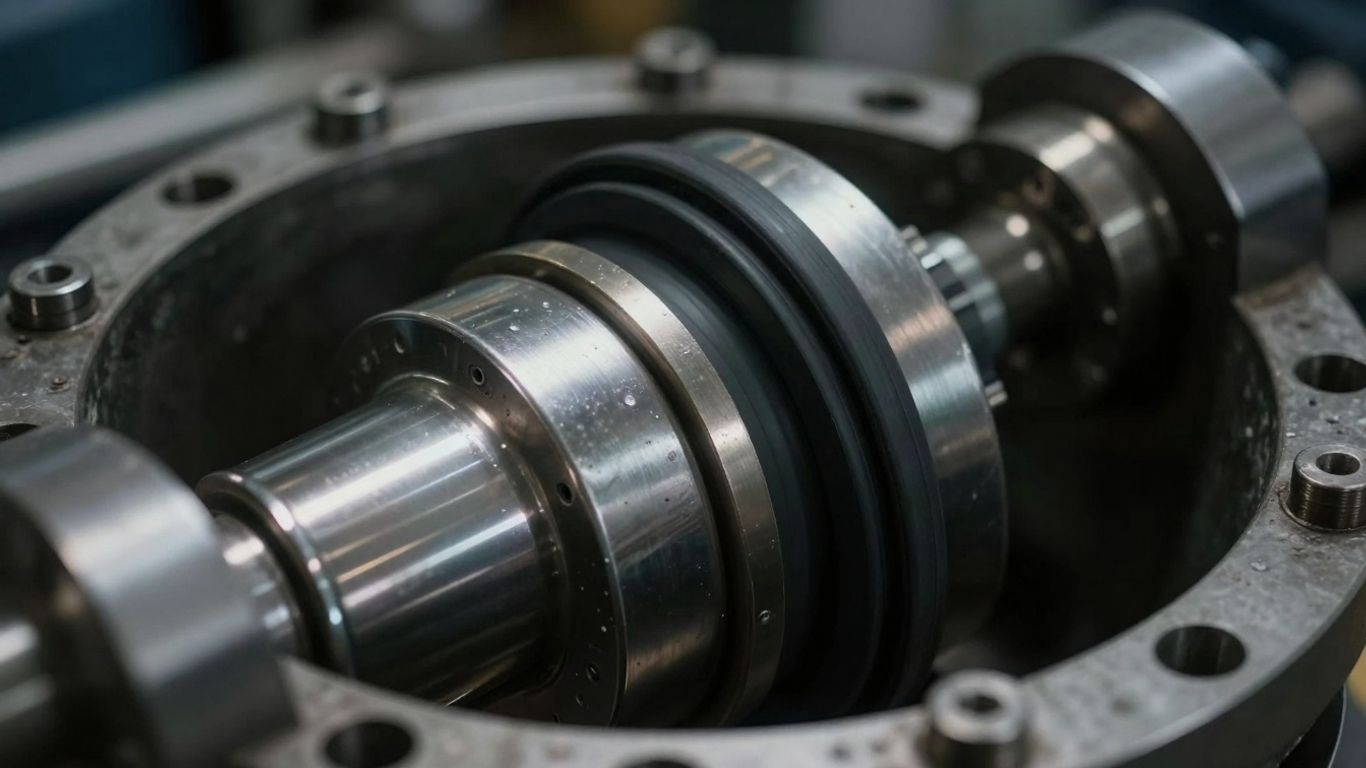
So, you’ve got your well seals, but how do you know they’re actually going to work and keep working? It’s not just about slapping them on and hoping for the best. We need to think about how they hold up over time and in different situations. Testing is key to knowing if a seal is going to do its job properly.
Testing For Strength And Longevity
When we talk about seals, especially for things like medical devices or even just keeping your home sealed up tight, we’re talking about materials that need to last. Engineers put these seals through the wringer to see how they’ll perform. This isn’t just a quick check; it involves a lot of different tests. They look at how much pressure a seal can take before it starts to give, how well it bounces back after being squashed, and how it holds up against things like chemicals or UV light. It’s all about making sure that when you install a seal, it’s not going to fail on you a few months down the line.
Here’s a quick look at some common tests:
- Tensile Strength: How much pulling force can it handle before breaking?
- Compression Set: After being squeezed for a while, how much does it permanently deform?
- Abrasion Resistance: How well does it stand up to rubbing and scraping?
- Chemical Resistance: Does it degrade when exposed to common cleaning agents or other substances?
Maintaining Seal Effectiveness Over Time
Even the best seals can lose their effectiveness if they’re not looked after. Think of it like maintaining your car – regular checks can prevent bigger problems. For seals, this means keeping the surfaces they contact clean and free of debris. Sometimes, a simple wipe-down can make a big difference. It’s also about understanding the environment the seal is in. Is it constantly exposed to sunlight? Is it in an area with a lot of foot traffic? Knowing these things helps you anticipate potential issues.
Seals are designed to create a barrier, and that barrier needs to stay intact. Over time, dirt, grit, or even just the natural wear and tear can compromise that barrier. Regular inspection and simple maintenance can go a long way in keeping your seals performing as they should, preventing leaks and unwanted intrusions.
The Impact of Temperature Extremes on Seals
Temperature is a big deal for seals. Extreme heat can make some materials soft and gooey, while extreme cold can make them brittle and prone to cracking. This is where material science really comes into play. Different materials handle temperature changes differently. For instance, EPDM rubber is known for its ability to withstand a wide range of temperatures without losing its flexibility. On the other hand, some plastics might become stiff and lose their sealing ability in freezing conditions. When choosing a seal, it’s important to consider the typical temperature range it will experience. This helps prevent premature failure and ensures the seal continues to do its job, whether it’s keeping out the cold winter air or the scorching summer heat.
The Science Of Biocompatible Seals
Biocompatibility In Medical Applications
When we talk about seals in medical devices, we’re not just talking about keeping things from leaking. We’re talking about safety, pure and simple. These seals often come into direct contact with our bodies, with tissues and fluids, during procedures or everyday use. That’s why biocompatibility is such a big deal. It’s basically a measure of how safe a material is for living tissue. For medical-grade seals, this isn’t just a nice-to-have; it’s a must-have. The goal is to make sure these seals don’t cause any harm, irritation, or adverse reactions when they interact with the human body. Think about a syringe, a catheter, or even a prosthetic device – a faulty seal could mean big problems.
Materials Safe For Human Contact
So, what makes a seal safe for us? It all comes down to the materials used. We’re looking for things that are inert, meaning they don’t react with the body. Common choices include medical-grade silicones, certain types of rubber, and specific plastics like PVC or TPEs that have been tested and approved for medical use. These materials are chosen because they’re known to be non-toxic and unlikely to cause allergic reactions. They need to hold up not just to bodily fluids but also to the cleaning and sterilization processes that medical equipment goes through. It’s a careful balance of performance and safety.
Here’s a quick look at some common materials:
- Silicone: Very flexible, good temperature range, and generally well-tolerated by the body.
- EPDM Rubber: Known for its resistance to heat, ozone, and weathering, making it durable for various applications.
- Thermoplastic Elastomers (TPEs): Offer a good mix of rubber-like flexibility and plastic-like processability, often used where a balance of properties is needed.
Ensuring Patient Safety Through Seal Design
It’s not just about picking the right material; the design of the seal plays a huge role too. A well-designed seal fits perfectly, preventing any unwanted leakage or contamination. This is especially important in preventing the spread of germs. When a seal is effective, it keeps different parts of a medical device securely connected, like tubes to a valve or a syringe plunger. This prevents leaks that could introduce bacteria or other harmful substances. The science behind these seals focuses on creating a barrier that is both reliable and safe, giving doctors and patients confidence in the medical devices they use. Rigorous testing is a standard part of the process to confirm that the seals perform as expected, even under demanding conditions. This attention to detail in both material selection and design is what keeps patients safe.
Innovations In Well Seal Engineering
Researching Materials For Enhanced Performance
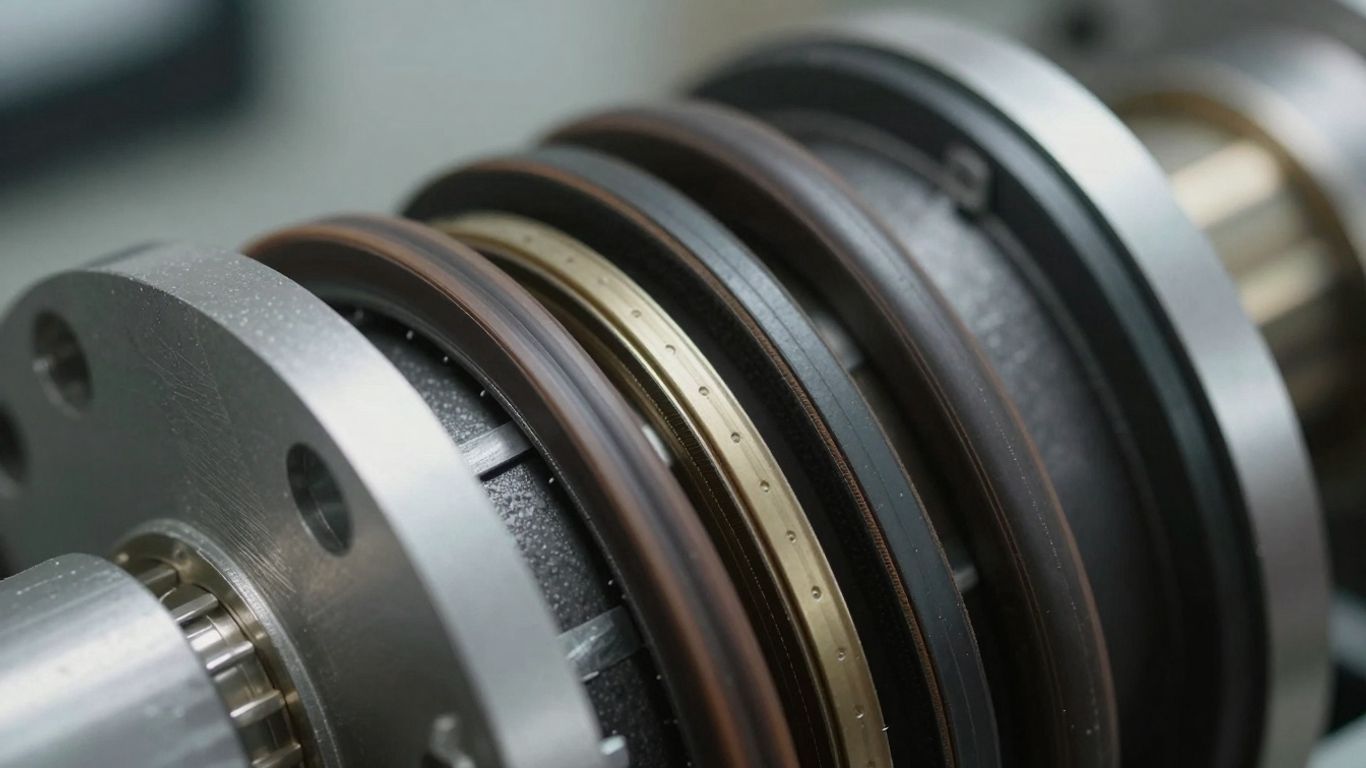
When it comes to keeping things sealed up tight, engineers are always looking for the next best thing. It’s not just about slapping some rubber on a gap anymore. We’re talking about materials that can handle crazy temperatures, chemicals, and just keep on doing their job for years. Think about it: a seal that works great in the desert might totally fail in the arctic. That’s why there’s a lot of brainpower going into figuring out what makes a material tough and flexible at the same time. They’re looking at new polymer blends and composites that offer better resistance to wear and tear, and can adapt to different conditions without breaking down. The goal is to create seals that are not only effective but also incredibly long-lasting, reducing the need for frequent replacements.
Developing New Methods For Seal Lifespan Extension
Beyond just picking a better material, there’s a whole science to making seals last longer. This involves looking at how seals are actually used and where they tend to fail. For instance, engineers are developing coatings that can protect seals from UV rays or ozone, which can degrade them over time. They’re also exploring ways to design seals with built-in wear indicators, so you know when it’s time for a change before a problem starts. It’s all about proactive maintenance and smart design.
Here are a few areas getting attention:
- Surface Treatments: Applying special coatings to resist abrasion and environmental damage.
- Structural Reinforcement: Adding internal supports or changing the seal’s geometry to handle stress better.
- Smart Materials: Incorporating elements that can signal wear or adapt their properties.
The Role of Technology In Seal Manufacturing
Manufacturing plays a huge part in how well a seal performs. Old methods might have been good enough, but technology is really changing the game. We’re seeing more precise manufacturing techniques, like advanced molding processes and 3D printing, which allow for incredibly complex and accurate seal designs. This means seals can be made to fit specific applications perfectly, leaving no room for leaks. Plus, automation and quality control systems are getting smarter, catching tiny flaws that could lead to big problems down the line. It’s about making sure every single seal that comes off the line is top-notch.
The drive for better seals isn’t just about preventing leaks; it’s about improving efficiency, safety, and the overall lifespan of the equipment they protect. It’s a quiet but vital part of many industries.
Wrapping It Up
So, we’ve looked at how seals work, from keeping out drafts and bugs on garage doors to making sure medical gear stays clean and safe. It’s pretty neat how different materials like rubber and plastic are chosen and tested to handle tough jobs, whether that’s extreme weather or constant use in a hospital. The science behind these seals might seem small, but it really adds up, helping save energy, keep things working right, and generally make our indoor spaces better and safer. It’s a reminder that even the little things, like a good seal, play a big part in our everyday lives.
Frequently Asked Questions
What is the main job of a well seal?
A well seal is like a gatekeeper for buildings. Its main job is to block unwanted things like air, water, bugs, and dirt from getting inside through openings around doors or other entry points. This helps keep your building comfortable, clean, and safe.
Why are different materials used for seals?
Different materials are used because they have special strengths. For example, some materials are really good at handling hot and cold weather without getting damaged, while others are super tough and last a long time. Choosing the right material means the seal will work best for where it’s used.
What makes a seal ‘biocompatible’?
Biocompatible means something is safe to use with the human body. In medical tools, seals need to be biocompatible so they don’t cause harm when they touch people’s skin or body fluids. It’s all about making sure medical devices are safe for patients.
How do scientists make seals better over time?
Scientists are always researching new and stronger materials for seals. They also test seals a lot to see how long they can last and how well they work, even in tough conditions. This helps create seals that do their job for many years without breaking down.
What is ‘air infiltration’ and why is it bad?
Air infiltration is when unwanted air, like cold air in winter or hot air in summer, leaks into a building through small gaps. This is bad because it makes your heating or cooling system work harder, costing you more money on energy bills and making the inside temperature uncomfortable.
Are brush seals good for uneven surfaces?
Yes, brush seals are great for uneven surfaces! The bristles are flexible and can spread out to fill in gaps and cracks, even if the surface isn’t perfectly flat. This makes them really good at stopping air and other things from getting through.