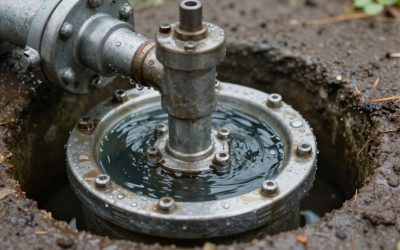
When you think about water wells, you probably picture the pump or the water itself. But there’s a part that’s super important for keeping that water clean and safe: the seals. These seals, especially the ones around the casing, are like the guardians of your well. They stop bad stuff from getting in and keep good water where it belongs. Let’s talk about why these seals are such a big deal for well safety.
Key Takeaways
- Annular seals are vital for preventing contamination from reaching your water source. They act as a barrier against surface water and other unwanted materials.
- The material used for seals, like cement or bentonite, matters. Each has its own pros and cons, and the best choice depends on where the well is and what it’s used for.
- How a seal is put in place is just as important as what it’s made of. Proper installation techniques, like using a tremie pipe, help avoid gaps where contaminants could sneak in.
- There are rules about how deep seals need to go, especially near the surface, and specific procedures for wells that have been changed or go through bad water zones.
- Good seals are the bedrock of water well safety, protecting groundwater quality and even showing up in the mechanical parts of water treatment facilities to keep drinking water safe.
Understanding The Critical Role Of Annular Seals
So, you’ve got a water well, and you’re thinking about safety. A big part of that, maybe bigger than you realize, is something called the annular seal. Think of it as the well’s protective collar. It’s the space between the well’s outer pipe (the casing) and the actual hole drilled in the ground. If this space isn’t sealed up right, it’s like leaving a back door wide open for all sorts of unwanted stuff to get into your water supply.
Preventing Contamination Pathways
This is probably the most important job of an annular seal. When you drill a well, you’re basically creating a tunnel through different layers of soil and rock. Some of these layers might have good, clean water, while others could have yucky stuff like surface runoff, chemicals, or even natural gases. Without a proper seal, these contaminants can travel down that open space right alongside the casing and mix with your drinking water. A well-sealed annular space acts as a barrier, stopping this migration and keeping your water source clean. It isolates different underground zones, preventing water or pollutants from moving between them or from the surface down into your aquifer.
Ensuring Well Casing Integrity
Besides keeping gunk out, the seal also helps keep the well itself in good shape. The casing is what keeps the well from collapsing. When you drill, you can sometimes disturb the soil or rock right next to the hole. If you just put the casing in and leave the space around it open, that disturbed area can become weak. The seal fills this gap, providing support. This support helps keep the casing straight and stable, preventing it from bending or breaking over time. It also offers some protection against corrosion, especially if the sealing material is chosen carefully.
Stabilizing The Borehole Wall
Think about drilling a hole. The walls of that hole aren’t always perfectly solid. Sometimes, especially in softer soils, the borehole wall can be a bit crumbly. The annular seal fills any gaps or voids that might exist between the casing and the borehole wall. This is super important because it stops loose material from falling into the well. It also helps to prevent the borehole from collapsing around the casing, which could make repairs or future maintenance a real headache. Basically, it makes the whole well structure more solid and reliable.
Here’s a quick look at what a good seal does:
- Blocks surface water and pollutants from entering the well.
- Stops contaminants from moving between different underground water layers.
- Prevents gases or unwanted water from traveling up the outside of the casing.
- Provides structural support to the well casing and borehole.
The space between the well casing and the drilled hole, known as the annular space, needs to be sealed effectively. This prevents it from becoming a route for poor-quality water, pollutants, or contaminants to move. Sometimes, the seal also helps protect the casing from damage and keeps the borehole wall from caving in.
Selecting The Right Sealant Material
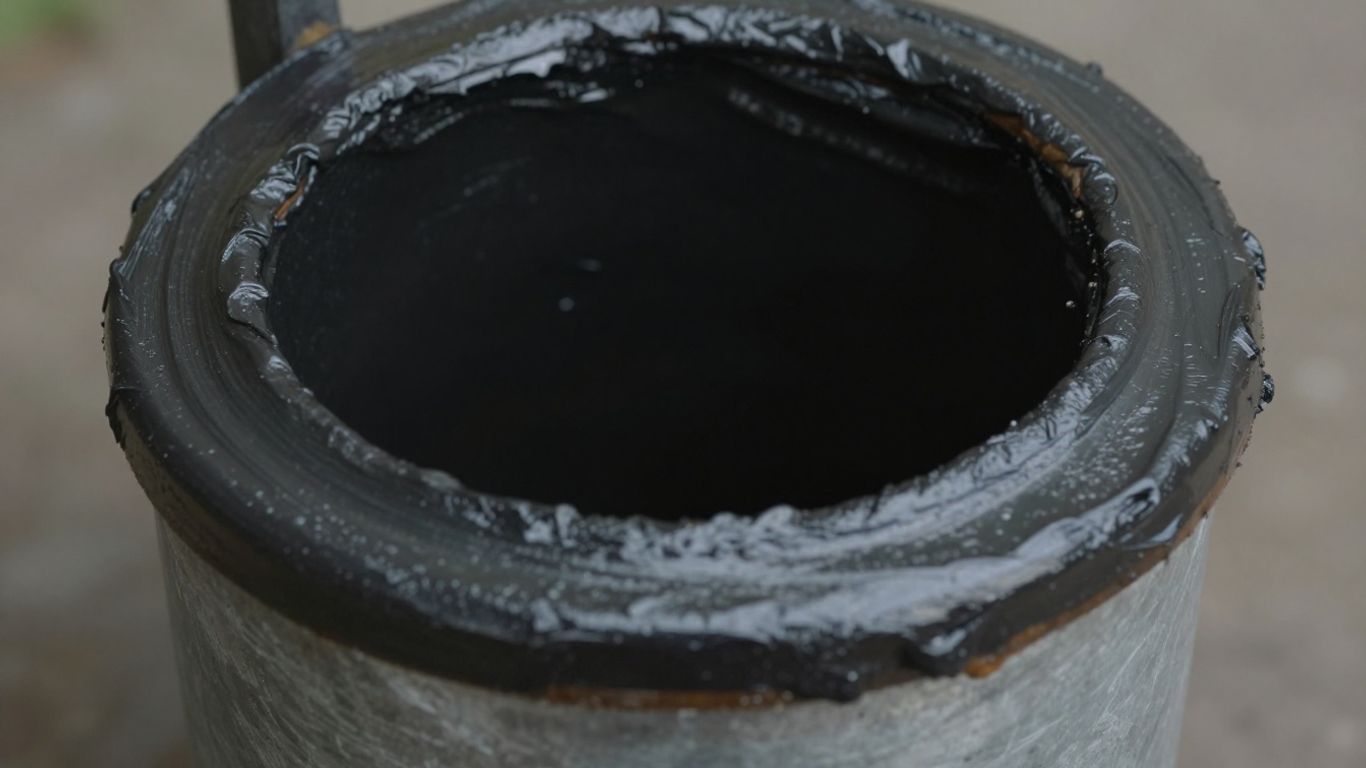
Choosing the right stuff to seal up the space around your well casing is a big deal. It’s not a one-size-fits-all situation, and what works great in one spot might be a total flop in another. We’ve got a couple of main players in this game: cement and bentonite clay. Each has its own set of pros and cons, and picking the best one really comes down to what’s going on at your specific site.
Cement Versus Bentonite
So, cement. It’s strong, it sets up hard, and it’s what most places require for that top section of the well, usually the first 20 to 100 feet. This surface seal is important for keeping things stable during drilling and for protecting the wellhead. But when we talk about the seal that really matters for keeping groundwater clean – the one around the well screen – cement is still a top contender. It’s good at blocking off unwanted water from different layers.
Then there’s bentonite. This is a type of clay that swells up a lot when it gets wet. It forms a pretty good barrier, especially in situations where you don’t need a super strong seal. It can be used as chips, pellets, or a slurry. A big plus for bentonite is its ability to expand and fill gaps. However, it can sometimes separate from the water if not mixed right, and in dry areas, it might shrink and crack if it dries out. Also, if you’ve got big tree roots around, they might push into a bentonite seal and mess it up.
Here’s a quick look at some general differences:
- Cement: Strong, durable, good for structural support, widely accepted by regulations for surface seals.
- Bentonite: Expands when wet to fill gaps, can be more flexible, good for sealing off zones where structural strength isn’t the main concern.
Site-Specific Material Considerations
When you’re deciding between cement and bentonite, or even a mix, you’ve got to look at the ground you’re working with. What kind of soil is it? Is it super wet, or is it bone dry? Are there any weird chemicals in the ground that could mess with the sealant? For instance, if you’re in a really dry climate, bentonite might not be the best choice on its own because it could dry out and crack. On the other hand, if you need a seal that can handle some weight, like if vehicles might drive over the wellhead, cement is usually the way to go. You also need to think about the size of the space you’re sealing. The sealant material needs to be able to get into all the nooks and crannies without getting stuck.
Advantages And Disadvantages Of Sealants
Both cement and bentonite have their good points and their bad points. Cement is great for creating a solid, long-lasting barrier. It’s reliable and generally what regulators want to see for critical sealing depths. But, it can be more expensive and takes time to cure properly. You also have to be careful with the mix to avoid cracking as it dries.
Bentonite, on the other hand, can be easier to work with in some situations and is often cheaper. Its swelling action is a big advantage for filling irregular spaces. The downside is its potential to dry out and shrink in arid conditions, or to be compromised by roots or certain soil chemicals. It also doesn’t offer the same structural strength as cement.
The goal is always to create a barrier that stops anything unwanted from getting into your well. This means picking a material that will stay put, fill the space completely, and last for a long time under the specific conditions of your well site. It’s about making sure the seal does its job, no matter what the ground throws at it.
Sometimes, a combination of materials might be the best solution, using cement for the main structural seal and bentonite for added protection in specific zones. It all depends on the well’s design and the local environment.
Proper Installation Techniques For Effective Seals
Getting the seal right around your well casing is super important, and honestly, it’s not always as straightforward as it looks. You can have the best materials in the world, but if you don’t put them in correctly, you’ve basically wasted your time and money. It’s all about making sure there are no gaps or weak spots where unwanted stuff can sneak in.
Addressing Voids In Annular Seals
Sometimes, even with careful work, voids can pop up in the space between the well casing and the drilled hole. This can happen if the sealant material doesn’t quite fill the space perfectly, or if it settles too much after it’s put in. Studies have shown these voids are more common than we’d like to think. They create little highways for contaminants to travel down into your groundwater. The key is to prevent these voids from forming in the first place and to check for them.
- Continuous Placement: Sealant should be put in one go, from the bottom of the space to the top. This helps avoid trapping air or creating uneven layers.
- Volume Check: Always make sure the amount of sealant you put in is at least what the space should hold. It’s better to have a little extra than not enough.
- Monitoring Return: When pumping sealant, watch what comes back up. It should look the same as what you’re putting in. If it changes consistency, that’s a sign something’s not right.
It’s easy to think that just filling the space is enough, but the way you fill it matters just as much. Think of it like filling a leaky bucket – you need to plug the holes as you pour.
Methods For Bentonite Slurry And Chips
Bentonite is a popular choice, but how you install it makes a big difference. For bentonite slurry, you’re usually pumping it in. The trick here is to keep pumping as you pull the pipe out, so the slurry fills the space completely without leaving gaps. If you’re using bentonite chips or pellets, it can be a bit trickier. Some folks pump them in with a bit of water or a special solution to help them hydrate and swell properly. Others have found ways to pump the dry material down a pipe, which can also work.
Here’s a general idea of how it’s done:
- Prepare the Material: Mix bentonite slurry according to the manufacturer’s instructions, or have your chips/pellets ready.
- Insert Delivery Pipe: Lower a tremie pipe (or similar) into the annular space. For slurry, the end of the pipe should be submerged in the material as it fills.
- Pump or Place: Begin pumping the slurry or carefully placing the chips/pellets.
- Withdraw Pipe: As the annular space fills, slowly withdraw the tremie pipe, continuing to pump or place material until the pipe is fully removed and the space is sealed.
- Allow Swelling: Give the bentonite time to hydrate and swell, which can take anywhere from 8 to 48 hours, depending on the product and conditions.
Importance Of Tremie Pipe Usage
Using a tremie pipe is pretty much standard practice for good reason. It lets you place sealant material deep into the annular space without it falling freely through the water or drilling fluid. Freefall can cause the material to separate, get diluted, or bridge over, leaving gaps. The tremie pipe ensures the sealant goes exactly where it needs to, from the bottom up. This controlled placement is vital for creating a solid, continuous seal.
- Prevents Freefall: Stops material from dropping long distances, which can cause segregation.
- Controlled Placement: Allows sealant to be placed precisely at the bottom of the space and fill upwards.
- Minimizes Contamination: Reduces the chance of mixing sealant with groundwater or drilling fluids during placement.
When you’re pumping, keep an eye on the pressure gauge. A sudden spike could mean the pipe is getting blocked, and you need to stop and fix it before it causes bigger problems.
Regulatory Requirements For Annular Seals
When it comes to keeping our water safe, the rules about sealing up the space around well casings aren’t just suggestions; they’re pretty important. This area, called the annular space, is basically the gap between your well’s pipe and the actual hole drilled in the ground. If it’s not sealed right, it can become a highway for all sorts of unwanted stuff to get into your water supply. Think of it like a leaky faucet – a small problem can lead to bigger issues down the line.
Minimum Depth Requirements For Surface Seals
Different types of wells have different rules about how deep this seal needs to go from the surface. It’s all about creating a solid barrier. For big operations like community water supplies or industrial wells, the seal typically needs to extend at least 50 feet down. For individual domestic wells, agricultural, or air-conditioning wells, the requirement is usually around 20 feet. These depths are set to make sure that surface contaminants don’t have an easy route into the groundwater.
Here’s a quick look at some common minimum depths:
| Well Type | Minimum Depth Below Ground Surface |
|---|---|
| Community Water Supply | 50 feet |
| Industrial | 50 feet |
| Individual Domestic | 20 feet |
| Agricultural | 20 feet |
| Air-Conditioning | 20 feet |
| All Other types | 20 feet |
Sealing Converted Wells
Sometimes, wells get repurposed. Maybe an old irrigation well is being turned into a domestic supply. When this happens, the rules for sealing the annular space still apply, and sometimes they’re even stricter. The goal is to make sure that any previous use of the well or the surrounding area doesn’t compromise the new water quality. This often means a thorough cleaning and inspection before sealing begins.
Isolating Zones With Poor Quality Water
Another big reason for specific sealing regulations is to keep different water layers separate. If there’s a layer of groundwater that’s known to be contaminated or just not good quality, the annular seal needs to be robust enough to prevent that water from mixing with cleaner sources. This is especially true when drilling through multiple geological formations. Properly isolating these zones is a key part of protecting the overall groundwater resource. It’s a bit like putting up walls to keep different rooms separate in a house.
The regulations are in place to create a physical barrier that stops unwanted movement. This barrier prevents water, natural gas, or other contaminants from traveling between different underground layers or from the surface down into the aquifer. It’s a proactive measure to safeguard the water we rely on.
The Foundation Of Water Well Safety
How Well Seals Represent Safety
When we talk about the safety of water wells, it all starts with the seal around the casing, where the well meets the earth. A tight, properly installed well seal is the first defense against anything unwanted getting from the surface down into your water supply. Think about it: if there’s a gap or a bad patch between the well casing and the surrounding ground, rainwater, fertilizers, or even small critters can slide right down alongside your well, straight to your groundwater.
Most folks don’t realize how easy it is for shallow wells without good seals to pick up bacteria, chemicals, and surface runoff. To keep your water safe, you want those seals solid and consistent during the entire life of the well.
- Stops direct surface water entry.
- Blocks insects and animals from getting inside.
- Prevents accidental spills (like oil or pesticides nearby) from washing straight into the well.
A well with a sturdy, continuous seal means fewer worries about what’s sneaking in from above or around your well.
Protecting Groundwater Quality
Even if your well serves just one house, any leak means whatever’s outside—nitrate from fields, waste from septic tanks, or just muddy runoff—could head for your tap. Groundwater is usually filtered by soil and rock, but the space around a poorly sealed well is like an express lane for contaminants.
Here’s what strong seals do for groundwater safety:
- Cut off short-circuit pathways for pollution.
- Keep local aquifers clean over the long run.
- Reduce the chance of community outbreaks related to bad water.
Quick Check: What can a good well seal protect you from?
| Contaminant Type | Leak Risk if Unsealed | Protection if Sealed Right |
|---|---|---|
| Bacteria (E. coli, etc.) | High | Very Low |
| Nitrates/Fertilizer | Moderate | Very Low |
| Pesticides/Herbicides | Moderate | Very Low |
| Oil/Fuel Spills | Moderate | Very Low |
Mechanical Seals In Water Treatment Facilities
It’s not just dug or drilled wells that depend on good seals. Water treatment facilities and pump houses also use mechanical seals on pumps, pipes, and tanks. Mechanical seals:
- Keep water inside and contaminants outside at connection points.
- Help pressure systems run smoothly with less risk of leaks.
- Reduce system maintenance by preventing slow drips or surface water seepage.
If a mechanical seal fails in these settings, even advanced filtration can’t always make up for dirty water making its way in. So, smart facility managers check and replace seals as needed—no one wants the hassle or health risk of surprise contamination.
Advanced Sealing Considerations
Sealing Casing Into Bedrock
When your well casing needs to go into bedrock, it’s a bit different than just sealing it in soil. You’re aiming for a really solid connection to stop anything from seeping down the outside of the casing. This usually means drilling a slightly larger hole into the bedrock itself, then grouting that space. The grout, often a cement-based mix, needs to be strong and impermeable. Getting this seal right is key to preventing surface water or shallow contaminants from reaching deeper, cleaner aquifers. It’s not just about filling a gap; it’s about creating a monolithic barrier.
Handling Flowing Artesian Conditions
Flowing artesian wells are those where the water pressure is high enough to push water up the well without a pump. This can make sealing the annular space tricky. If you’re not careful, the water pressure can push the sealing material out or prevent it from setting properly. Special techniques are needed here, like using a heavier grout mix or placing the seal in stages. Sometimes, a temporary casing might be left in place to help manage the pressure while the seal sets up. It’s all about controlling that upward flow.
Preventing Migration Of Natural Gas And Contaminants
Sometimes, natural gas or other contaminants can be present in the ground layers the well passes through. If these aren’t properly sealed off, they can travel down the annular space and contaminate your water supply, or even worse, migrate to other water-bearing zones. This requires a really robust seal, often using materials specifically chosen for their impermeability to gases and chemicals. Think about it like putting a cork in a bottle – you want it to be a tight fit all the way around.
Here are some points to keep in mind for these advanced situations:
- Material Choice: Select sealants that are resistant to the specific contaminants or gases you might encounter.
- Placement Method: Always use methods like a tremie pipe to avoid freefall and ensure the sealant fills the space completely, especially under pressure.
- Verification: Double-check that the volume of sealant used matches the calculated volume of the annular space. It’s better to have a little extra than not enough.
- Timing: Don’t leave the annular space open for too long, especially in challenging conditions. The sooner it’s sealed, the better.
Dealing with flowing artesian conditions or potential gas migration means you can’t just use a standard sealing procedure. It requires a deeper look at the geology and the specific risks involved. Getting it wrong can lead to some serious problems down the line, affecting not just your water quality but potentially the safety of the surrounding groundwater.
Table: Sealant Material Considerations
| Material Type | Best For | Potential Issues |
|---|---|---|
| Cement Grout | Bedrock, High Pressure | Cracking if not mixed properly, requires curing time |
| Bentonite Slurry | General purpose, some caving soils | Can be affected by chemicals, may shrink if it dries out |
| Specialized Gels | Gas/Contaminant zones | Cost, availability, specific application knowledge needed |
Wrapping It Up
So, when you really think about it, those seals around your water well are way more important than most people realize. They’re not just some extra bit of work; they’re like the first line of defense for keeping your water clean and safe. Getting them right, whether it’s with cement or bentonite, and making sure they’re put in properly, makes a huge difference. It’s all about preventing bad stuff from getting into your water supply, and that’s something we should all care about. Doing it right from the start saves a lot of headaches down the road.
Frequently Asked Questions
What is an annular seal and why is it important for a water well?
An annular seal is like a protective collar around the well pipe, filling the space between the pipe and the drilled hole. It’s super important because it stops dirty water, chemicals, or anything else bad from sneaking down into our clean groundwater. Think of it as a barrier keeping the good water safe and separate from anything unwanted that might be in the ground.
What materials are typically used for annular seals?
The most common materials used for these seals are cement and bentonite clay. Cement is strong and durable, often used near the surface. Bentonite clay, which swells when wet, is also great at creating a seal. The best choice really depends on the specific ground conditions and what the well is used for.
How do you make sure the annular seal is installed correctly?
Proper installation is key! This means making sure there are no gaps or empty spaces where contaminants could get through. Sometimes, special tools like a ‘tremie pipe’ are used to carefully place the sealing material, like cement or bentonite slurry, all the way down. For bentonite chips, there are special ways to get them settled in properly too.
Are there rules about how deep annular seals need to be?
Yes, there are rules! Different types of wells have different requirements for how deep the seal must go from the ground surface. For example, wells that supply water to many people usually need a deeper seal than a well for a single home. These rules help protect the water source from surface pollution.
What happens if a well needs to be used for something else later on?
If a well’s purpose changes, like from irrigation to drinking water, it might need an updated seal. Also, if a well goes through layers of water that aren’t clean, special seals are needed to block those bad water zones, making sure they don’t mix with the good water further down.
Can seals prevent things like natural gas from entering a well?
Yes, a well-made annular seal can act as a barrier against natural gas or other underground contaminants trying to find their way into the well. If there’s a risk of these things moving between different underground layers, proper sealing is essential to keep the water supply safe and clean.