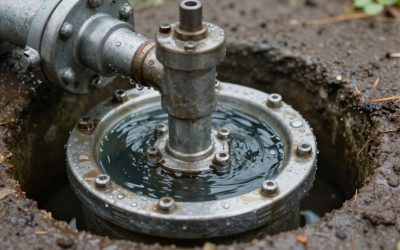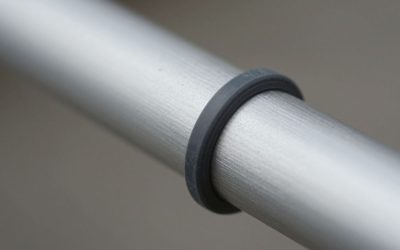
Keeping your well seals in good shape is pretty important, and doing it throughout the year makes a big difference. Think of it like changing the oil in your car; you don’t wait for it to break down, right? Well seals are kind of the same. This guide covers Seasonal Maintenance Tips for Well Seals, breaking down what you should look out for as the weather changes. It’s all about staying ahead of problems so your well keeps running smoothly, no matter the season. Let’s get into it.
Key Takeaways
- Check your well seals for cracks or stiffness when spring arrives. Make sure they’re still sealing tight.
- During summer’s busy times, keep an eye out for any leaks and check if the seals are working well under pressure. Don’t forget lubrication.
- As fall rolls in, clean any dirt off the seals and look for signs of wear. Fix small problems now before winter hits.
- Winter means protecting seals from freezing and ice. Make sure they can still do their job when it’s cold.
- Regular checks and using good parts are the best ways to keep your well seals from failing. Write down what you do, too.
Spring Inspection Of Well Seals
Spring is here, and it’s the perfect time to give your well seals a good once-over. After a long winter, things can settle, and it’s easy for small problems to pop up. A thorough spring inspection can catch issues before they become big headaches.
Checking For Cracks And Deterioration
Take a close look at the seal material itself. You’re looking for any signs of damage that might have happened over the colder months. Things to watch out for include:
- Cracks: Even small hairline cracks can let water or contaminants in.
- Tears: Any rips or punctures in the seal material are a clear problem.
- Brittleness: If the seal feels stiff and prone to breaking, it’s likely past its prime.
- Discoloration: Unusual color changes can sometimes indicate chemical breakdown.
Assessing Seal Flexibility
A good seal needs to be flexible to do its job right. When you’re inspecting, gently try to bend or compress a small, inconspicuous part of the seal (if accessible and safe to do so). A healthy seal should have some give to it. If it feels rock-hard or doesn’t spring back when you press it, it’s lost its flexibility. This often happens when seals get old or are exposed to harsh conditions.
Verifying Proper Sealing Pressure
This is a bit trickier without specialized tools, but you can often get a sense of whether the pressure is right. The seal should be snug against the well casing. If you notice any gaps, or if the seal seems loose and wobbly, it’s not creating the barrier it should. Sometimes, you can feel a slight resistance when you try to move the well cap or cover, which is a good sign. If it feels too easy to move, the seal might be compromised.
Sometimes, the simplest visual checks are the most effective. Don’t underestimate what you can see with your own eyes. If something looks off, it probably is, and it’s worth investigating further.
Summer Performance Checks For Well Seals
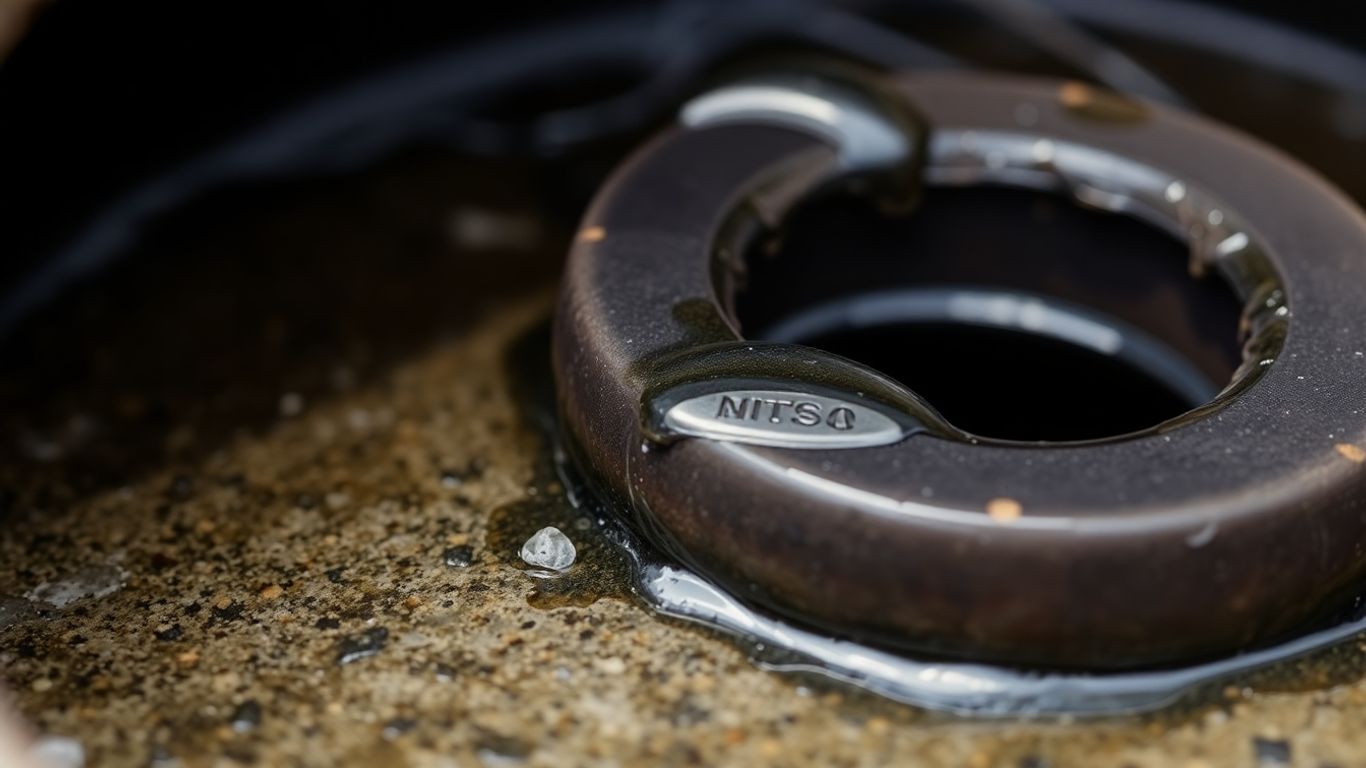
Summer is often the busiest time for water usage, and that means your well seals are working overtime. It’s the perfect season to really check how they’re holding up under pressure. Paying attention now can save you a lot of headaches later.
Monitoring For Leaks During Peak Usage
When the sprinklers are running non-stop and everyone’s taking longer showers, your well system is under a lot of strain. This is when small issues with your seals can become big problems. Keep an ear out for any unusual sounds coming from the wellhead, like hissing or dripping. Also, check around the wellhead and any visible piping for signs of moisture or wet spots, especially after periods of heavy use. A sudden drop in water pressure, even when you know the pump is running, can also point to a leak somewhere.
Evaluating Seal Performance Under Load
Think of it like a car engine on a hot day – you want to make sure everything’s running smoothly when it’s working hardest. For well seals, this means checking if they’re maintaining their integrity when the pump is cycling frequently. Are you noticing any vibrations at the wellhead that weren’t there before? Is the water quality changing, perhaps becoming cloudy or discolored, which could indicate contaminants are getting past a compromised seal? These are all signs that the seal might be struggling to do its job.
Ensuring Adequate Lubrication
While not all well seals require active lubrication in the same way a car does, some systems have components that benefit from it. If your setup involves any moving parts near the seal that are meant to be lubricated, summer’s heat can cause lubricants to break down faster. Check your well’s manual or consult a professional if you’re unsure. Keeping these parts functioning correctly helps reduce stress on the seals themselves.
Summer’s heat and increased demand put a real test on your well’s components. It’s not just about having water; it’s about having clean, reliable water. Regular checks during this peak season are like giving your well a check-up when it’s most likely to show any signs of trouble.
Here are a few things to look out for:
- Unusual noises from the wellhead.
- Visible moisture or wet patches around the well.
- Changes in water pressure or quality.
- Any new or increased vibrations.
Autumnal Well Seal Preparations
As the leaves start to turn and the air gets a bit crisper, it’s the perfect time to give your well seals some attention before winter really sets in. Think of it as tucking your well in for a long nap. Getting these seals ready now can save you a lot of headaches when the cold weather hits.
Cleaning Debris From Seal Surfaces
First things first, let’s get things tidy. Over the summer, all sorts of things can settle on and around your well seal. We’re talking dirt, leaves, maybe even some stray bits of grass. You’ll want to gently clear all this away. A soft brush or a damp cloth usually does the trick. Just be careful not to force anything or scratch the seal itself. The goal is to remove anything that could potentially trap moisture or cause wear.
Inspecting For Wear And Tear
Now, take a good look at the seal. Are there any obvious cracks? Does it look dried out or brittle? Sometimes, you might see little nicks or cuts. These might seem small, but they can let in water or contaminants, which is the last thing you want when it’s freezing outside. Check the entire surface, paying attention to any areas that look different from the rest.
Addressing Any Minor Issues Before Winter
If you spot something that doesn’t look quite right, now’s the time to deal with it. It’s much easier to fix a small problem before it becomes a big one. For instance, if a seal is just a bit stiff, a gentle application of a compatible lubricant might help restore some flexibility. If you find a small crack, you might be able to use a sealant designed for well components, but if it looks serious, it’s probably time to think about replacing the whole seal. Don’t put this off – winter isn’t forgiving.
Taking a few minutes now to clean and inspect your well seals can prevent costly repairs down the line. It’s a simple step that makes a big difference in keeping your water supply safe and reliable through the colder months. Think of it as preventative care for your well’s health.
Winterizing Your Well Seals
Protecting Seals From Freezing Temperatures
When winter rolls around, the cold can really do a number on your well seals. Freezing temperatures can make rubber and other seal materials brittle and prone to cracking. It’s not just about the direct cold, either; repeated freeze-thaw cycles are particularly tough. You want to make sure your seals can handle the chill without losing their ability to keep things watertight. Think of it like leaving a rubber band out in the snow – it gets stiff and snaps easily. We need to prevent that for our well seals.
Checking For Ice Buildup
Ice is a sneaky enemy of well seals. It can form around the seal and the components it protects, creating pressure points that weren’t there before. This pressure can force water into places it shouldn’t be, or worse, damage the seal itself. You’ll want to keep an eye out for any visible ice accumulation, especially after a cold snap or a thaw followed by refreezing.
- Look for ice forming on the wellhead components.
- Check for any signs of water seeping out, which could indicate ice is pushing the seal apart.
- Gently clear away any ice you find, being careful not to damage the seal material.
Ensuring Seals Remain Functional In Cold
Even if your seals look okay, the cold can affect their performance. They might become less flexible, which means they won’t conform as well to the surfaces they’re supposed to protect. This can lead to small gaps where contaminants or cold air can get in. It’s a good idea to give them a quick check to see if they still feel pliable. If they feel stiff or hard, it might be time to think about replacement before the really harsh weather hits.
Sometimes, the best way to protect your well seals in winter is to ensure they’re not exposed to the elements unnecessarily. Proper wellhead covers and insulation can make a big difference in preventing extreme cold from affecting the seal’s integrity. It’s a bit of extra work upfront, but it can save you a lot of headaches down the line when the temperature really drops.
Understanding Common Well Seal Issues
Sometimes, even with regular check-ups, well seals can start acting up. It’s not always obvious at first, but paying attention to a few key signs can save you a lot of trouble down the road. Ignoring small problems often leads to bigger, more expensive repairs later on.
Signs Of A Failing Well Seal
What should you look out for? Well, there are a few tell-tale indicators that your well seal might be on its way out. Keep an eye on these:
- Water quality changes: You might notice a funny taste or smell in your water, or perhaps sediment appearing more often. This can mean contaminants are getting past the seal.
- Reduced water pressure: If your water flow seems weaker than usual, especially when multiple fixtures are in use, the seal might be compromised, affecting the system’s ability to hold pressure.
- Audible noises: Sometimes, a failing seal can cause hissing or gurgling sounds around the wellhead. It’s like the well is trying to tell you something’s wrong.
- Visible damage: Cracks, tears, or a generally worn-out appearance on the seal itself are pretty straightforward signs that it needs attention.
Causes Of Well Seal Degradation
So, why do these seals go bad? It’s usually a combination of factors over time. Think of it like anything else that’s exposed to the elements and constant use.
- Age and wear: Seals are made of materials that degrade. Rubber can become brittle, plastics can crack, and metal parts can corrode. It’s just the natural life cycle of components.
- Improper installation: If a seal wasn’t put in correctly the first time, it’s more likely to fail prematurely. This could be due to incorrect tension, misalignment, or using the wrong type of seal for the job.
- Environmental exposure: Constant contact with moisture, UV rays from the sun, and fluctuating temperatures can really take a toll on the seal material, making it break down faster.
Impact Of Environmental Factors
Speaking of the environment, it plays a bigger role than you might think. The conditions your well operates in directly affect the lifespan and performance of its seals. For instance, extreme cold can make seals brittle and prone to cracking, while prolonged heat can cause them to soften and lose their shape. Soil movement around the wellhead, often caused by freeze-thaw cycles or heavy rains, can also put stress on the seal, leading to leaks or damage. Even the type of soil can matter; abrasive soils can wear down seals over time.
It’s easy to forget about the well seal because it’s usually out of sight, out of mind. But this little component is doing a big job, keeping your water supply clean and safe. When it starts to fail, it’s not just an inconvenience; it’s a potential health risk and can lead to costly water damage or system failures if left unchecked. Think of it as the gatekeeper for your water, and it needs to be in good shape to do its job properly.
Proactive Well Seal Care Strategies
Taking good care of your well seals means you won’t be caught off guard by problems later. It’s all about staying ahead of the game. Regular attention prevents bigger headaches down the road.
Establishing a Regular Maintenance Schedule
Think of this like your car’s oil changes, but for your well. You don’t wait for the engine to start making weird noises, right? Same idea here. Setting up a routine check-in helps you catch small things before they turn into major repairs.
- Monthly Visual Checks: Quick look-overs for obvious damage or leaks.
- Quarterly Deep Dives: More thorough inspections, maybe checking pressure or flexibility.
- Annual Professional Review: Have a pro give it a once-over, especially if you’re not comfortable doing it yourself.
Using High-Quality Replacement Parts
When it’s time to replace a seal, don’t skimp. Grabbing the cheapest option might seem smart at first, but it often costs more in the long run. You want parts that are built to last and fit your specific well system.
- Source from Reputable Suppliers: Find companies that specialize in well equipment.
- Match Specifications Exactly: Make sure the new seal is the right size and material for your well.
- Consider Durability: Look for seals made from materials known for their resistance to wear and environmental factors.
Documenting All Maintenance Activities
Keep a logbook. Seriously, it’s a lifesaver. Jotting down when you did what, what you found, and what parts you used gives you a history. This is super helpful for tracking performance and troubleshooting if issues pop up.
Having a clear record makes it easier to spot patterns. If a particular type of seal seems to fail after a certain period, or if a specific maintenance task always reveals a certain issue, you’ll know. This kind of information is gold for making informed decisions about future upkeep and potential upgrades.
This proactive approach helps keep your well running smoothly and protects your investment.
Wrapping It Up
So, that’s the lowdown on keeping your well seals in good shape throughout the year. It might seem like a bit of a chore, especially when the weather’s not cooperating, but trust me, a little bit of attention now can save you a lot of headaches later. Think of it like giving your car an oil change – not the most exciting thing, but it keeps everything running smoothly. Don’t wait until you’ve got a problem on your hands; a quick check now and then is usually all it takes. Stay on top of it, and your well will thank you for it.
Frequently Asked Questions
How often should I check my well seals?
It’s a good idea to give your well seals a once-over at least twice a year, maybe once in the spring and again in the fall. Think of it like giving your car an oil change – regular check-ups prevent bigger problems down the road.
What are the first signs that a well seal might be going bad?
Keep an ear out for any strange noises coming from your well, like hissing or gurgling. Also, if you notice water leaks around the wellhead or if your water pressure seems to be dropping unexpectedly, those could be red flags.
Can extreme weather hurt my well seals?
Absolutely! Super cold weather can make seals stiff and brittle, and if ice forms around them, it can cause damage. On the flip side, really hot weather or constant heavy use in the summer can also put extra stress on them.
What’s the best way to clean well seals?
You want to be gentle. Usually, just wiping them down with a damp cloth to remove dirt and debris is enough. Avoid using harsh chemicals, as they can break down the seal material over time.
Is it hard to replace a well seal myself?
For most homeowners, it’s probably best to call a professional. Well seals are important for keeping your water clean and safe, and if they’re not installed just right, you could end up with more trouble than you started with. Professionals have the right tools and know-how.
Why is keeping well seals in good shape so important?
Think of the well seal as the gatekeeper for your drinking water. Its main job is to stop dirt, bugs, and other yucky stuff from getting into your well. A good seal means safer, cleaner water for your home.