When people talk about keeping our drinking water safe, they often forget about the role well seals play. The connection between well seals and aquifer protection is a big deal, even if it doesn’t get much attention. A good well seal keeps dirty water, bugs, and even vandals out, while a bad one can let all sorts of problems sneak in. From the type of material used to how it’s installed, every step matters. If you own a well or care about your community’s water, it’s worth learning how well seals help protect the aquifer below your feet.
Key Takeaways
- Well seals are the first line of defense against surface water and contaminants getting into your well and aquifer.
- Choosing the right seal material, like cement or bentonite, depends on local soil and rock conditions.
- Poor installation or ignoring site-specific needs often leads to water quality issues and expensive repairs.
- Products like WellSeal can show if someone has tampered with a well and add another layer of protection.
- Regular testing, good construction, and community outreach all help keep groundwater safe for everyone.
Understanding The Connection Between Well Seals and Aquifer Protection
The Critical Role of Well Seals
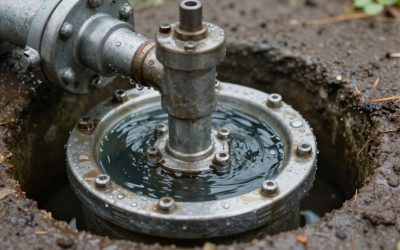
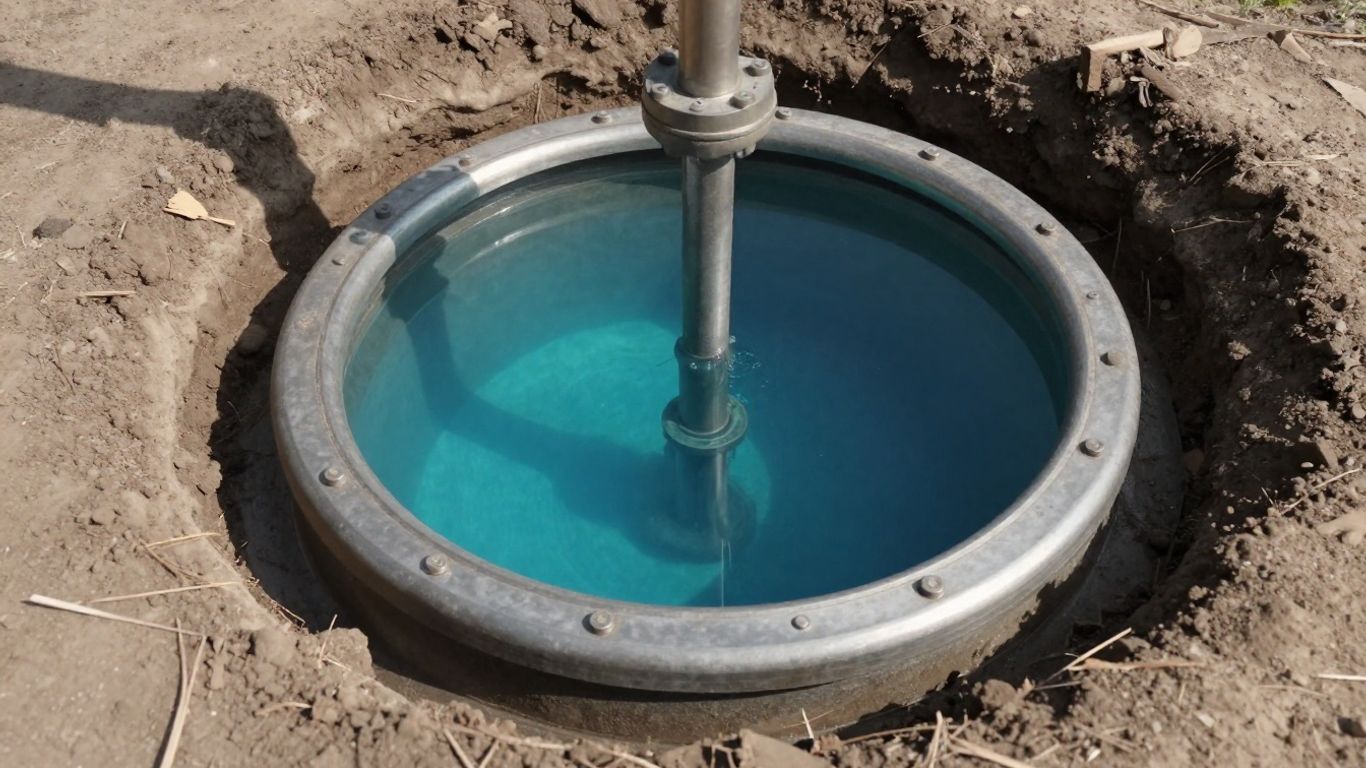
Think of a well seal, sometimes called a sanitary seal, as the gatekeeper for your well. Its main job is to keep unwanted stuff out of your groundwater supply. This seal is a really important part of keeping your well water clean and safe to drink. It’s usually made from a mix of cement, bentonite, and sand, packed into the space between the well’s casing (the pipe going down) and the actual borehole wall. This creates a watertight barrier.
Preventing Surface Water Intrusion
Surface water, like rainwater runoff or water from nearby septic systems, can carry all sorts of contaminants – think bacteria, nitrates, or chemicals. If a well seal isn’t done right, this surface water can find a path down into your aquifer. It’s like leaving a door unlocked; it just invites trouble. We’ve seen cases where wells that met minimum standards still had problems because the seal didn’t account for the local ground conditions, like cracks or loose soil layers. These weak spots can let contaminated water sneak in, even if the seal looks okay on paper.
The Impact of Inadequate Seals
When a well seal fails or is installed poorly, the consequences can be pretty serious and expensive. You might end up with contaminated water that needs treatment, or worse, you might have to drill a whole new well. It really pays to get it right the first time. Proper installation means paying attention to what’s happening underground during drilling and using that information to make sure the seal is effective for that specific location. It’s not just about meeting a basic rule; it’s about protecting a vital resource.
Here’s a quick look at why a good seal matters:
- Keeps out surface contaminants: Prevents bacteria, chemicals, and other pollutants from entering the well.
- Protects the aquifer: Stops surface water from mixing with cleaner groundwater deeper down.
- Ensures water quality: Reduces the risk of needing costly water treatment or well replacement.
- Maintains well integrity: Helps prevent the well casing from collapsing or degrading over time.
A well seal isn’t just a formality; it’s a critical barrier. Its effectiveness depends heavily on how well it’s installed and whether it’s designed for the specific ground conditions around the well. Cutting corners here can lead to big problems down the road.
Types of Well Seals and Their Functionality
Understanding the options for well seals—and what each brings to the table—really matters for anyone dealing with private wells. There are multiple types of seals, but the goal is the same: keep bad stuff from getting into the well and protect the aquifer below. Some people don’t realize how much goes into picking and installing these things. Let’s get into the details.
Cement and Bentonite Annular Seals
Annular seals fill the space between the well casing and the drilled hole. The two main types are:
- Cement grout: Made from Portland cement, sometimes mixed with additional sand. It hardens to create a solid barrier.
- Bentonite clay: A type of clay that swells when it gets wet, sealing gaps tightly. Bentonite can be applied as a slurry, pellets, or chips.
- Hybrid blends: Sometimes, bentonite and cement are mixed together for specific needs.
| Seal Type | Application Method | Main Benefit | Limitation |
|---|---|---|---|
| Cement Grout | Pumped as slurry | Strong, durable seal | Can crack if not installed well |
| Bentonite | Chips or slurry | Swells for tight seal | Hydration can be tricky |
| Hybrid | Mixed on site | Adaptable to geology | May need expert judgment |
The Importance of the Well Annular Seal
The real workhorse in well security is the annular seal, not just the surface cap. This seal acts like a barrier, stopping polluted surface water or shallow groundwater from sneaking down the casing and into the aquifer. If contaminants make it through this area, the whole water source is at risk.
- Stops surface runoff from traveling alongside well casing
- Reduces the chance of bacteria and nitrates reaching the aquifer
- Maintains separation between different water-bearing layers underground
When the annular seal is correctly placed and chosen for the site, it can mean the difference between safe drinking water and a contaminated well you can’t use.
Choosing the Right Seal Material
Picking the best seal material isn’t a one-size-fits-all thing. It actually varies depending on the soil, local geology, and how the well is being used. Here’s what often gets considered:
- Soil and rock type: Some work better with bentonite, others with cement.
- Water table depth: Deeper water tables may call for stronger or thicker seals.
- Climate and freeze/thaw cycles: Some materials deal with stress better.
People tend to follow regulations, but local experience counts for a lot. For instance, a sandy area might benefit from a bentonite-based seal because it can swell and fill in loose areas, while a rocky site with fractures could need cement to block off any open cracks. Whatever the choice, a good seal is the backbone of aquifer protection—and cutting corners can mean expensive fixes down the road.
Challenges in Well Seal Installation and Effectiveness
Putting in a well seal might sound straightforward, but honestly, it’s where things can get tricky. It’s not just about slapping some material down there; you’ve got to get it right, or you’re basically leaving the door open for trouble.
Addressing Voids and Installation Issues
One of the biggest headaches is when there are gaps or voids in the seal. Think of it like trying to seal a leaky pipe with a hole in your patch – it just doesn’t work. Studies have shown that sometimes the space around the well casing, called the annulus, isn’t sealed as well as we think. This can happen for a few reasons. Maybe the material itself wasn’t great, or it didn’t stick properly to the casing. Other times, it’s all about how it was put in. Pumping in grout, for instance, needs to be done carefully. If you’re using bentonite chips, getting them to pack in tight without leaving empty spots takes some real skill. These voids are a direct pathway for surface water and contaminants to sneak into your aquifer.
Site-Specific Conditions and Seal Selection
There’s no one-size-fits-all solution when it comes to well seals. What works perfectly in one spot might be a total flop in another. You really need to look at what’s going on underground. For example, if you’re drilling through certain types of rock, like fractured granite or volcanic bedrock, you might run into shallow zones that are already connected to the surface. A standard seal that meets minimum regulations might not be enough to block off these natural pathways. You’ve got to pick a seal material and installation method that actually fits the geology of that specific location.
Geologic Factors Influencing Seal Integrity
This ties right into the last point. The ground itself plays a huge role. Sometimes, during drilling, you hit areas where the drilling fluid just disappears – we call this lost circulation. If these spots aren’t properly sealed off during the well construction, they can become highways for pollution. We’ve seen cases where wells contaminated with things like E. coli or nitrates had seals that technically met the rules, but they didn’t account for these specific geologic features. It’s like building a fence but leaving a big gap at the bottom; the fence is there, but it’s not really doing its job.
It’s easy to think that just meeting the minimum requirements for a well seal is enough. But when you consider the complex underground environment and the potential for contaminants, a little extra effort upfront can save a lot of headaches and expense down the road. Thinking about the specific ground conditions during installation is key to a truly protected aquifer.
Here’s a quick rundown of what can go wrong:
- Material Issues: Using the wrong type of grout or sealant, or sealant that degrades over time.
- Installation Errors: Improper mixing of grout, not using a tremie pipe correctly, or not allowing enough time for materials to set.
- Geological Surprises: Unexpected fractures, fissures, or porous zones in the rock or soil that create pathways for contamination.
- Settlement: The ground around the well can shift or settle over time, potentially creating gaps in the seal.
Enhancing Well Security and Tamper Evidence
The Vulnerability of Exposed Wellheads
Think about it: your wellhead is often just sitting there, exposed to the elements and, well, anyone. It’s like leaving your front door wide open. This makes it a prime target for all sorts of unwanted attention, from accidental contamination to deliberate mischief. People have poured all sorts of things down wells – oil, salt, even just mud. It doesn’t take much to compromise your water source, and often, the standard well caps aren’t exactly Fort Knox. They can be removed with basic tools, and sometimes, there’s no obvious sign it even happened. This leaves your water supply vulnerable, and figuring out what went wrong can be a real headache.
Visible Tamper Indication with WellSeal
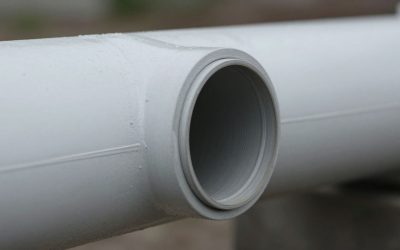
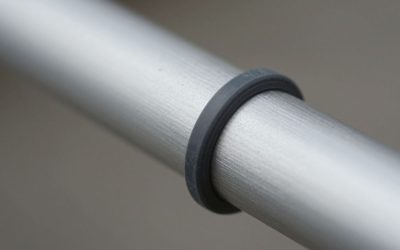
This is where something like a WellSeal comes into play. It’s a pretty neat idea, honestly. It’s basically a shrink-wrap type of seal that goes over the well cap and casing. Think of the seals you see on medicine bottles – they show you right away if someone’s been messing with it. A WellSeal does the same for your well. It gives you a clear, visual cue if anyone has tried to access your wellhead. This is super helpful because it means you can spot potential tampering quickly. The seals come in different colors, too. You can get one that stands out for easy spotting, or one that blends in with the surroundings if you prefer a less obvious look. It’s a simple addition, but it adds a significant layer of security and peace of mind.
Securing Wells Against Vandalism
When it comes to protecting your well from vandalism, a multi-layered approach is best. While a WellSeal offers visible tamper evidence, it’s not a foolproof barrier against determined individuals. However, it’s a significant deterrent and an immediate indicator of compromise. For added security, consider:
- Properly installed and maintained well caps: Ensure your well cap is secure and fits snugly. Some caps can be locked, but as mentioned, a lock is only as good as the lock itself.
- Site security: If possible, consider fencing around the wellhead, especially in remote or accessible areas. This adds a physical barrier.
- Regular inspections: Make it a habit to visually inspect your wellhead regularly. Look for any signs of damage, disturbance, or the broken tamper seal.
The vulnerability of wellheads is often underestimated. While regulatory standards focus on the primary seal between the casing and the borehole, the wellhead itself can be a weak point. Simple measures to secure and monitor this area can prevent significant contamination events and costly remediation efforts.
Installing a WellSeal is a straightforward step that can make a big difference. It’s not just about preventing vandalism; it’s also about knowing quickly if something is wrong, which is key to protecting your groundwater source.
Best Practices for Well Construction and Maintenance
Integrating Seals into Well Design
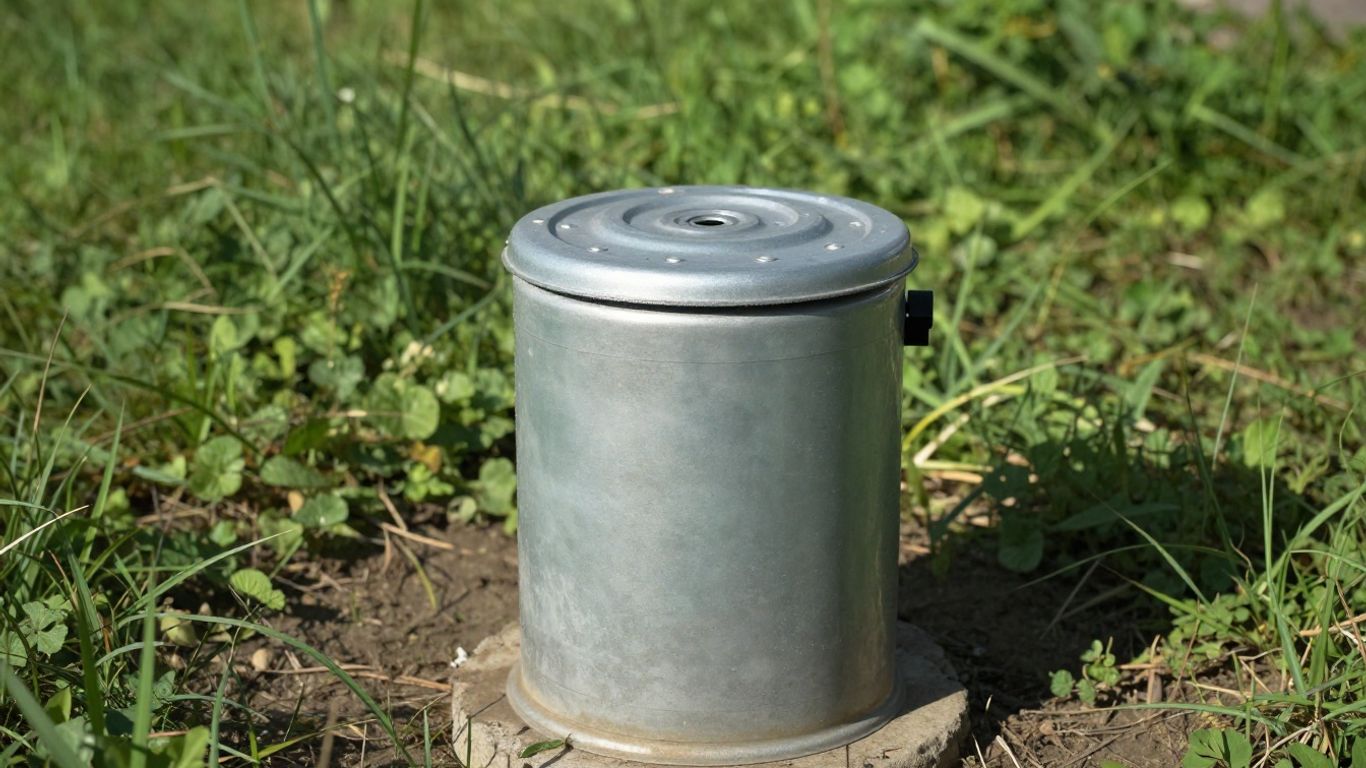
When you’re building a new well, or even fixing up an old one, thinking about the seal is super important. It’s not just about meeting the minimum rules; it’s about really protecting the water underground. Sometimes, the ground itself can be tricky, with cracks or loose spots that water can sneak through. A good seal needs to account for these things. The goal is to create a solid barrier that stops anything from the surface, like rain runoff or chemicals, from getting down into the aquifer. This means looking at the ground where you’re drilling and picking the right materials and methods for the seal.
The Importance of Water Quality Testing During Drilling
Drilling a well isn’t just about making a hole and putting in a pipe. You’ve got to pay attention to what’s happening as you go deeper. Taking samples of the water and the ground at different depths can tell you a lot. For example, if you hit a layer with high nitrates, you know you need to be extra careful with your seal in that area. This kind of testing helps you understand the geology better and make sure your seal is doing its job right from the start. It’s like a doctor checking your vitals while performing surgery – you need to know what’s going on.
Ongoing Maintenance for Wellhead Protection
Even the best-built well needs a check-up now and then. Think of it like your car – regular maintenance keeps it running smoothly. For wells, this means looking at the wellhead regularly. Is the cap secure? Are there any cracks in the casing? Is the ground around the well sloped away so water doesn’t pool there? Doing these checks can catch small problems before they become big, expensive ones. It’s a simple way to keep your water source safe for years to come.
A well that’s properly sealed and maintained is your best defense against groundwater contamination. It’s a proactive approach that saves money and protects health in the long run.
Community Efforts in Aquifer Protection
The Role of Watershed Groups and Citizen Scientists
It’s easy to think of groundwater as something separate from our daily lives, but really, we’re all connected. Think about it: "We all live downstream," as they say. This idea really hits home when we talk about protecting our water sources. Local watershed groups and folks who get involved as citizen scientists are doing some pretty important work. They’re often the first to notice changes in local streams or notice issues with wells in their neighborhoods. They help keep an eye on things, collect data, and generally act as the eyes and ears for larger environmental organizations and even government agencies. Their local knowledge is something you just can’t get from a report.
Promoting Well Education and Outreach
Lots of people have private wells, and honestly, many don’t know much about how they work or how to keep them safe. That’s where education and outreach come in. Programs that teach homeowners about well maintenance, the importance of proper well seals, and what to do if they suspect a problem are super helpful. A well-maintained well with a good seal is the first line of defense for clean drinking water. Simple steps, like knowing how to properly disinfect a well after a flood or understanding why a secure well cap matters, can make a huge difference. It’s about giving people the information they need to be good stewards of their own water supply.
Working Together for Groundwater Resources
Protecting our groundwater isn’t a job for just one person or group. It really does take a community effort. When different groups – like local drillers, homeowners, environmental advocates, and scientists – work together, we can create better plans and solutions. Sharing information about well construction, water quality testing, and the best ways to seal wells helps everyone involved. It’s about building a shared understanding and commitment to keeping our underground water clean and available for the future. Think of it like this:
- Share Information: Talk to your neighbors about well care. Attend local meetings about water resources.
- Support Local Efforts: Volunteer with watershed groups or participate in water quality monitoring programs.
- Advocate for Best Practices: Encourage local regulations that promote proper well construction and maintenance, including effective well sealing.
When we combine our knowledge and efforts, we create a stronger network of protection for our precious groundwater. It’s not just about fixing a problem; it’s about building a sustainable future for our water.
Conclusion
So, after looking at all the ways well seals help protect aquifers, it’s pretty clear they’re more than just a technical detail. A good seal keeps out surface water, bugs, and even people who might mess with your well. It’s one of those things you don’t really think about until there’s a problem—like weird-tasting water or, worse, contamination. Products like WellSeal make it easier to spot tampering and add another layer of security, even if they aren’t totally watertight. At the end of the day, making sure your well is sealed right from the start saves a lot of headaches (and money) down the road. If you own a well, it’s worth checking your seal and maybe upgrading it. And if you’re not sure, ask a pro. Protecting your well means protecting your water—and that’s something everyone can get behind.
Frequently Asked Questions
What is a well seal and why is it important for protecting groundwater?
A well seal, sometimes called a sanitary seal, is like a protective barrier for your water well. It’s usually made from a mix of cement and clay and is placed between the well’s pipe and the ground. Its main job is to stop dirty water or other contaminants from the surface from getting into your clean groundwater supply.
How can a bad well seal lead to water contamination?
If a well seal isn’t put in correctly or is damaged, it can create little pathways. Rainwater, or water from nearby areas like septic systems, can then seep down these pathways and mix with your drinking water. This is especially risky if the surface water has things like nitrates or bacteria in it.
What’s the difference between a cement seal and a bentonite seal?
Both cement and bentonite clay are used for well seals, and each has its pros and cons. The best choice often depends on the specific ground conditions where the well is drilled. Sometimes, a cement seal is required by law for the top part of the well, but the seal deeper down is crucial for preventing contamination from different water layers.
Can a well seal be easily tampered with?
Standard well caps can sometimes be removed without leaving obvious signs, making wells vulnerable to vandalism. Products like WellSeal act like a tamper-evident shrink wrap, similar to what you see on medicine bottles. They make it clear if someone has tried to open or mess with your wellhead.
What are some common problems during well seal installation?
Sometimes, spaces or gaps can be left in the seal during installation, either because of the materials used or how they were put in. This can happen with both cement and bentonite seals. It’s important for drillers to pay close attention to the ground conditions and use the right methods to make sure the seal is solid and complete.
How often should well seals be checked or maintained?
Well seals should be part of regular well maintenance. It’s a good idea to have your well inspected periodically, especially after heavy rains or floods. If you suspect any issues, like signs of tampering or if your water quality changes, it’s best to get it checked by a professional and consider replacing the seal if necessary.