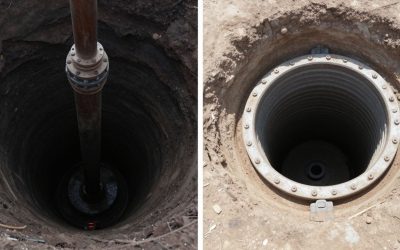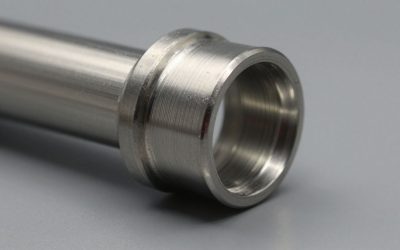
You know, sometimes the simplest things make the biggest difference. Like with your well water. You might be dealing with pressure that just won’t behave, going up and down like a yo-yo. Before you start thinking the whole system is shot, let’s talk about something often overlooked: well seals. Turns out, these little guys play a huge role in keeping your water pressure steady and reliable. We’re going to explore The Connection Between Well Seals and Water Pressure Stability, and why paying attention to these seals is a smart move.
Key Takeaways
- Understanding how pressure changes underground is key, and seals are like the walls that keep different pressure zones separate. When these seals fail, pressure can jump around unexpectedly.
- The ability of a seal to hold back pressure directly impacts how stable your water pressure is. If seals are weak or broken, you’ll likely see more pressure swings.
- Things like the type of rock, how thick the seal is, and even underground cracks can affect how well a seal works. Measuring pressure helps figure out if seals are doing their job.
- Moving water, especially during storms or floods, creates forces that can push hard against your well structure. Designing to handle this moving water is important for long-term stability.
- Components like pressure tanks and pump parts, especially their seals, are vital for keeping water pressure regulated. A problem with these parts can mess with your overall pressure.
Understanding Pressure Gradients in Subsurface Formations
The Role of Seals in Pressure Compartmentalization
Think of the ground beneath us like a layered cake, but instead of frosting and sponge, we’ve got different types of rock and soil. These layers aren’t all connected, and where they meet, they can create natural barriers. These barriers, or seals, are super important because they stop fluids like water and oil from moving freely between different rock layers. This compartmentalization is what creates different pressure zones underground. Without these seals, everything would just be one big, messy, interconnected system, and pressure wouldn’t be stable.
- Seals prevent fluid migration.
- They create distinct underground zones.
- This separation is key to pressure differences.
Interpreting Pressure Shifts Across Seals
When you move from one rock layer to another, especially across a seal, the water pressure can change. It’s not always a smooth transition. Sometimes the pressure drops, sometimes it jumps up. This happens because the rock types have different properties. For example, a dense clay layer (a good seal) will hold pressure differently than a sandy layer (which might let fluids move more easily). Understanding these shifts helps us figure out how well a seal is working. We look at how the pressure changes with depth in each layer to get a picture of what’s going on.
| Layer Type | Typical Pressure Behavior | Fluid Movement Potential |
|---|---|---|
| Reservoir (e.g., Sandstone) | Linear pressure gradient | High |
| Seal (e.g., Shale) | Higher, often exponential gradient | Low |
Hydrostatic vs. Geopressured Gradients
Now, let’s talk about two main ways pressure behaves underground. Hydrostatic pressure is what you’d expect if the water in the ground was just sitting there, like water in a glass. It increases steadily with depth, pretty much the same everywhere. But then there’s geopressured fluid. This is where things get interesting. Geopressured zones have higher pressures than expected for their depth. This can happen for a bunch of reasons, like trapped fluids or the way the rock is compacting. The difference between these two types of pressure gradients is a big deal when we’re looking at well stability and water management.
The way pressure changes with depth underground isn’t uniform. It’s heavily influenced by the types of rock layers present and how they interact, especially at the boundaries where seals form.
The Impact of Well Seals on Water Pressure Stability
Sealing Capacity and Its Relation to Pressure
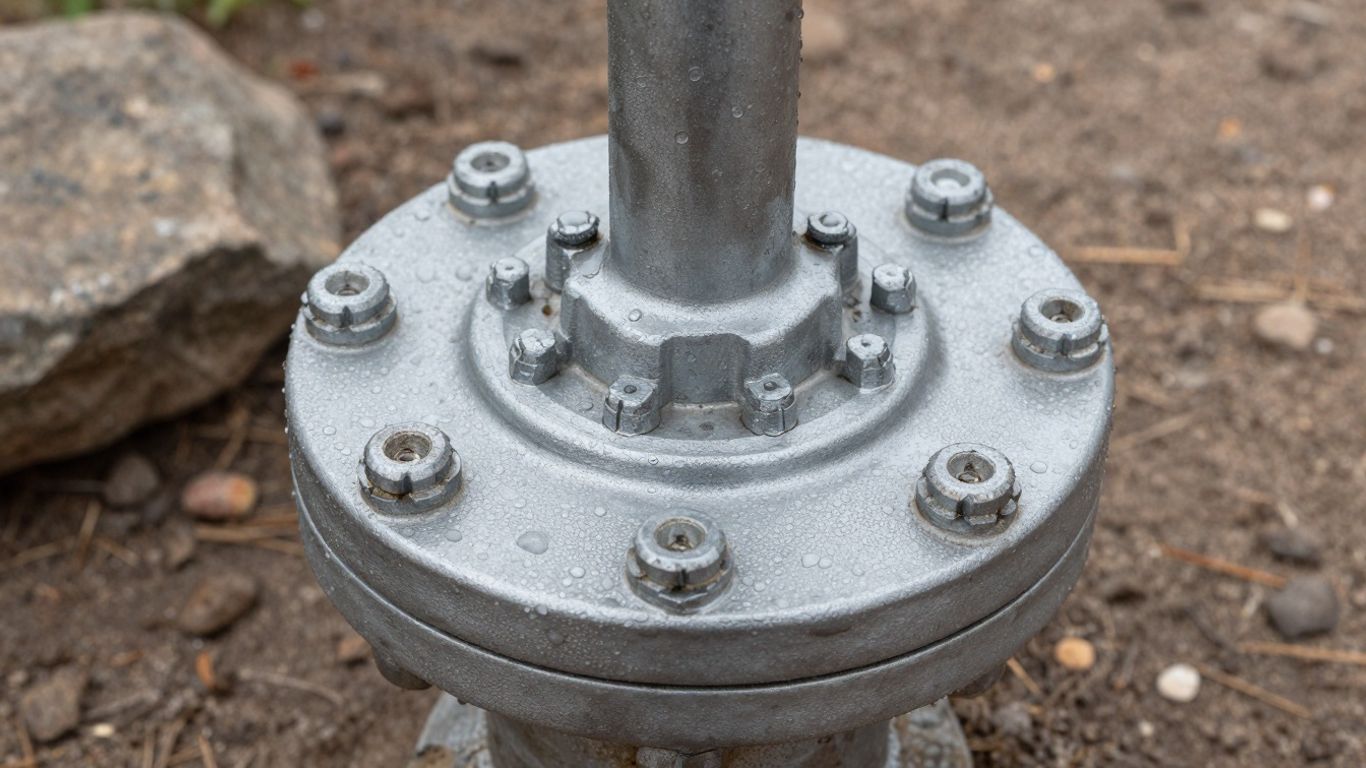
Think of well seals like the stoppers in a wine bottle. They’re there to keep things contained, and in the case of a well, that means keeping water pressure steady. The ability of a seal to hold back pressure is called its sealing capacity. When we talk about subsurface formations, this capacity is measured by how much the pressure changes between different layers, or compartments, of rock and soil. A good seal means a noticeable jump in pressure when you move from one layer to the next, indicating it’s effectively holding back the water in the upper layer.
A competent seal creates a distinct pressure boundary, preventing fluid from migrating freely between zones. If the pressure readings from different depths all look pretty much the same, it usually means the seals aren’t doing their job, and water is moving where it shouldn’t be.
Breaches and Their Effect on Pressure Fluctuations
What happens when a seal isn’t so competent? It gets breached. This can happen for all sorts of reasons – maybe a crack formed in the rock, or a fault line shifted. When a seal is breached, it’s like taking the stopper out of that wine bottle. The pressure difference between the layers disappears, and water can flow freely. This free flow is a major cause of unstable water pressure in your well. Instead of a steady supply, you get fluctuations – sometimes high, sometimes low, depending on what’s happening underground.
- Sudden pressure drops: Water rushes out of a higher-pressure zone into a lower-pressure one through the breach.
- Pressure equalization: Over time, the pressure in connected zones tends to even out, leading to a generally lower and less reliable pressure.
- Increased sediment: Breaches can also allow fine particles to move, which can clog up your well system and further disrupt pressure.
Maintaining Pressure Integrity with Effective Seals
Keeping your well’s water pressure stable really comes down to having good seals. These seals act as barriers, maintaining distinct pressure zones underground. When these barriers are intact, the water in each zone stays put, and your well pump doesn’t have to work overtime trying to compensate for leaks or pressure drops. It’s all about keeping those underground compartments separate and pressurized correctly.
The effectiveness of a seal isn’t always about how thick it is. Sometimes, a thinner layer of a specific type of material can hold back more pressure than a much thicker layer of something else. It’s the material’s properties and how it interacts with the surrounding rock that really matter for its sealing power.
Regular checks and maintenance are key. If you notice your water pressure acting weird, it might be a sign that one of your well’s seals is starting to fail. Addressing these issues early can save you a lot of headaches and keep your water supply reliable.
Factors Influencing Seal Competency and Pressure Control
Lithology and Seal Thickness Considerations
When we talk about seals in the ground, it’s not just about how thick they are. Sure, thickness matters, but the type of rock, or lithology, plays a huge role too. Think of it like building a dam. A really thick layer of sand might not hold water as well as a thinner layer of dense clay. The same idea applies underground. Some rock types are naturally better at stopping fluid flow than others, regardless of their size. This is why just looking at how much space a seal takes up isn’t enough; you’ve got to consider what it’s made of.
- Clay-rich layers often make for excellent seals because their fine particles pack tightly, blocking pathways for water.
- Sandy or fractured rock layers, even if thick, might allow fluids to seep through more easily.
- The overall structure of the rock, like how porous it is, also affects how well it can act as a barrier.
The Influence of Geological Structures on Seals
Geological structures are basically the big-picture formations in the earth’s crust. Things like faults (cracks in the rock) or unconformities (where rock layers are missing or tilted) can really mess with how well a seal works. Imagine a perfectly good seal, but then a fault line cuts right through it. That fault can become a highway for water to move where it shouldn’t. So, even if a rock layer is inherently a good sealant, a nearby geological feature can create a pathway around or through it, compromising its ability to keep pressures stable.
Understanding these larger geological features is key because they can override the properties of the rock itself. A strong seal can be rendered ineffective by a simple crack in the earth’s crust.
Assessing Seal Effectiveness Through Pressure Measurements
So, how do we actually know if a seal is doing its job? The best way is to look at the pressure readings. We can measure the pressure in different underground compartments. If a seal is working well, there should be a noticeable difference in pressure between the compartments it separates. It’s like checking the water level in different rooms of a house with leaky pipes – you’d expect different levels if the walls between them are holding up. If the pressures are the same, it’s a pretty good sign that the seal has failed or is leaking.
Here’s a simplified look at what we might see:
| Compartment A Pressure | Compartment B Pressure | Seal Status | Observation |
|---|---|---|---|
| 1500 psi | 1450 psi | Competent | Small pressure difference, seal likely intact. |
| 1500 psi | 800 psi | Breached | Large pressure difference, seal likely failed. |
| 1500 psi | 1500 psi | Breached | No pressure difference, direct communication. |
Hydrodynamic Forces and Their Interaction with Well Structures
Distinguishing Hydrodynamic from Hydrostatic Pressure
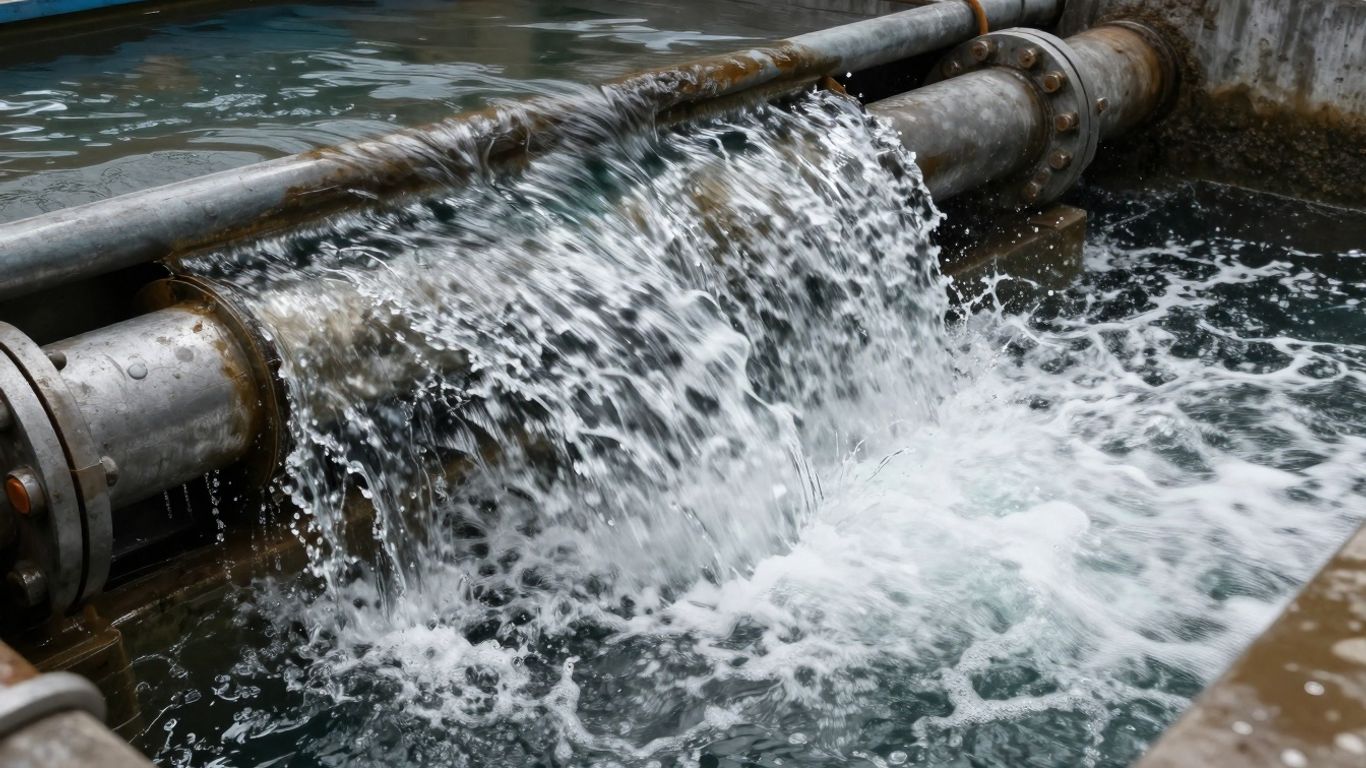
So, we’ve talked about water pressure, but there’s a big difference between water just sitting there and water that’s moving. Hydrostatic pressure is what you feel when you dive into a pool – the deeper you go, the more it pushes. It’s all about the weight of the water above, nice and steady. Hydrodynamic pressure, though? That’s a whole different beast. It happens when water is actually moving, like in a flood or a strong current. This motion adds a whole new layer of force, turning simple pressure into a dynamic impact. Think of it like the difference between leaning against a wall and getting hit by a charging bull – both involve force, but one is way more intense.
Here’s a quick breakdown:
- Hydrostatic Pressure: Caused by the weight of still water. It increases with depth and acts uniformly.
- Hydrodynamic Pressure: Generated by moving water. It involves velocity, acceleration, and turbulence, creating variable and often much higher forces.
Engineers often use a basic formula, P = 1/2 * ρ * v², to get a handle on hydrodynamic pressure, where ‘ρ’ is water density and ‘v’ is the water’s speed. But in reality, it’s more complicated, with factors like wave shape and how the water hits the structure playing a big role.
The Destructive Potential of Moving Water
When water moves, it packs a punch. The faster it goes, the more energy it has, and the harder it hits whatever’s in its way. This isn’t just a gentle nudge; it can be a serious force that can bend, crack, or even break structures. We’ve seen this happen with seawalls getting battered by waves or basement walls failing during heavy storms, not just from the water’s depth, but from the sheer force of the rushing water. Even water moving at a few feet per second can exert hundreds of pounds of pressure per square foot. Double that speed, and the pressure quadruples. It’s a stark reminder that motion matters a lot when we’re talking about water and structures.
There are two main ways this moving water can cause trouble:
- Impulsive Pressure: This is the sudden shock when water slams into something. Imagine a big wave hitting a seawall – that immediate impact is impulsive pressure.
- Convective Pressure: This builds up over time as water sloshes or moves back and forth. It might not be as violent as an impact, but it’s a constant stress that can weaken structures over time.
Ignoring the power of moving water can lead to serious structural issues. It’s not just about how deep the water gets, but how fast it’s moving and how it interacts with the surfaces it encounters. This is especially true in areas prone to flooding or storm surges.
Designing for Dynamic Water Loads
When we build things that might encounter moving water, like wells, foundations, or retaining walls, we can’t just think about the weight of still water. We have to consider these dynamic forces too. This means using stronger materials, designing shapes that can deflect water better, and sometimes adding features like drainage systems or flood vents. For well structures, this could mean reinforcing the casing or ensuring the surrounding soil can handle the pressure if water levels rise and start moving. It’s all about anticipating how the water will behave and building structures that can withstand those forces, whether it’s a sudden surge or a prolonged period of high flow. Getting this right means structures last longer and stay safer.
Components Affecting Well Water Pressure Regulation
When your home’s water pressure starts acting up, it’s easy to think the whole well is on its last legs. But honestly, sometimes the problem isn’t the water source itself, but the bits and pieces that manage how that water gets to your faucet. We’re talking about the pump, the pressure tank, and all the little seals and connections in between. These parts work together, and if one of them is off, the whole system can feel sluggish or erratic.
The Critical Role of Pressure Tanks
The pressure tank is kind of like the water system’s buffer. It holds a reserve of water and air, which helps keep the pressure steady between pump cycles. Think of it like a balloon – it expands when the pump fills it with water and air, and then it slowly releases that water and air to maintain pressure when you turn on a tap. If the tank’s internal bladder or air charge is messed up, you’ll notice it. The pump might kick on and off way more often than it should, or the pressure might drop suddenly when you use water. A well-functioning pressure tank is key to avoiding those annoying spurts and dips in water flow.
Assessing Pump Components for Pressure Issues
Your well pump is the workhorse, obviously, but even it has parts that can wear out and affect pressure. The impellers, which are like little spinning blades that push the water, can get chipped or clogged. This means they can’t move as much water, leading to lower pressure. Then there’s the motor itself; old wiring or worn brushes can make it less efficient. Sometimes, it’s not a major failure, but just a component that needs a tune-up or replacement to get things back to normal.
Here’s a quick look at pump parts that can cause trouble:
- Impellers: These spin to move water. If they’re damaged or blocked, water flow suffers.
- Seals: Small leaks here can let air into the system, which really messes with pressure.
- Motor: Worn parts inside the motor can reduce its power and efficiency.
Seal Integrity in Pump Systems
Speaking of seals, they’re often overlooked but super important. These are the gaskets and O-rings that keep water in and air out of the pump and its connections. If a seal starts to degrade, it can develop tiny leaks. You might not even see water dripping, but that small air leak can be enough to disrupt the pump’s ability to build and maintain proper pressure. It’s like trying to drink through a straw with a hole in it – you just don’t get the same suction. Keeping these seals tight and in good shape is a simple but effective way to keep your water pressure stable.
Sometimes, the simplest fix for low water pressure isn’t digging deeper or replacing the entire pump. It’s about checking the smaller, often hidden, components like the pressure tank’s air charge or the seals around the pump connections. These parts are the unsung heroes of a reliable water system, and their condition directly impacts how consistently you get water at the tap.
Practical Applications of Seal Integrity in Water Management
When we talk about managing water, especially around structures, seals play a surprisingly big role. It’s not just about keeping water out; it’s about controlling pressure, too. Think about your basement or a seawall – if water builds up pressure behind it, things can get messy.
Waterproofing Solutions for Foundation Stability
Waterproofing isn’t just about slapping on some paint. It’s about creating a barrier that can handle the forces water exerts. For foundations, this means stopping water from getting in and building up pressure. A good waterproofing system uses materials that can flex a bit, especially with temperature changes, and can withstand the constant push of groundwater. We’re talking about specialized membranes and sealants applied to the exterior of foundation walls. This stops moisture from even reaching the concrete, preventing dampness and potential structural issues down the line.
- Proper excavation and cleaning of foundation walls.
- Application of flexible, waterproof sealants to joints and cracks.
- Installation of a continuous liquid-applied or sheet membrane barrier.
- Backfilling with appropriate drainage materials.
Ignoring the potential for water pressure buildup behind foundation walls can lead to serious problems. This pressure, often referred to as hydrostatic pressure, can exert significant force, potentially causing cracks, leaks, and even structural compromise over time if not properly managed.
Ensuring Dry Basements Through Effective Sealing
Nobody wants a damp basement. The key to keeping one dry often comes down to the seals around any openings or penetrations. This includes where pipes or conduits pass through the foundation walls. If these aren’t sealed properly, water can find its way in. Using robust sealants, like those used in marine applications, can create a watertight barrier that lasts. It’s about making sure every potential entry point is addressed, creating a complete system that keeps the basement dry and usable.
Restoring Pressure Stability with Seal Upgrades
Sometimes, existing systems just aren’t cutting it anymore. You might notice persistent dampness or even active leaks. This is often a sign that the current seals are failing or weren’t adequate to begin with. Upgrading these seals can make a huge difference. This might involve excavating around a foundation to reapply a waterproofing membrane or using advanced sealants around pipe penetrations. The goal is to restore the integrity of the barrier, stopping water intrusion and stabilizing the pressure behind the walls. It’s a proactive step to protect your property from water damage and maintain a healthy environment.
Wrapping It Up
So, when we talk about keeping your water pressure steady, it’s not just about the pump or the pipes. The seals, especially around the well itself, play a pretty big part. Think of them like the gatekeepers, holding back unwanted pressure shifts or leaks that can mess with your flow. If those seals aren’t doing their job right, you’ll notice it – maybe with pressure that jumps around or just doesn’t feel right. It’s a bit like a leaky faucet; a small problem can lead to bigger headaches down the line. Making sure your well seals are in good shape is a simple step that can make a world of difference for consistent water pressure.
Frequently Asked Questions
What exactly are well seals and why are they important for water pressure?
Think of well seals like stoppers in a bottle. They are special materials used in and around wells to keep water in certain areas and prevent it from leaking where it shouldn’t. Their main job is to hold water pressure steady, making sure you have a reliable flow of water without big ups and downs.
What is a pressure gradient, and how does it relate to seals?
A pressure gradient is like a slope for water pressure underground. Water pressure naturally increases the deeper you go. Seals act as barriers between different underground layers. A good seal creates a noticeable ‘step’ or change in pressure between layers, showing it’s effectively holding the pressure back in its section.
What happens if a well seal gets damaged or breaks?
If a seal gets damaged, water can escape or move into areas it’s not supposed to. This is like a leak in your plumbing. It can cause water pressure to drop suddenly, become unstable, or even allow unwanted water or substances to mix in, leading to problems with your water supply.
Can the type of ground (lithology) affect how well a seal works?
Yes, absolutely! The kind of rock and soil around the seal matters a lot. Some materials are naturally better at forming a tight seal than others. Also, how thick the seal is and if there are any cracks or faults in the ground nearby can make a big difference in how strong and reliable the seal is.
What’s the difference between regular water pressure and ‘hydrodynamic’ pressure?
Regular water pressure (hydrostatic) is just the weight of still water pushing out. Hydrodynamic pressure is much more forceful – it’s the pressure from water that’s actually moving, like in a flood or a fast-moving stream. This moving water can push much harder against structures like well casings or foundations.
Besides the seals in the ground, what other parts of a well system help control water pressure?
Other important parts include the pressure tank, which acts like a buffer to keep pressure steady, and the pump itself. If the pump’s internal seals are worn out or if the pressure tank isn’t working right, it can cause water pressure problems even if the seals underground are perfectly fine.