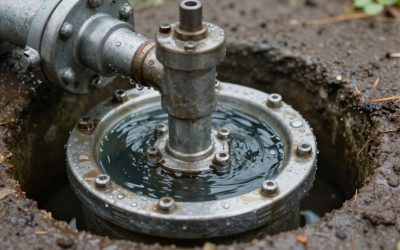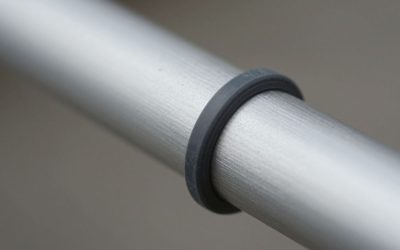
You know, those slimy layers that can build up in pipes? They’re called biofilms, and they’re a real pain. They can mess with your water quality and even your plumbing. This article is all about how well seals can help stop these biofilms from forming in the first place. It’s a surprisingly important part of keeping your water clean and your system running smoothly. We’ll look at how seals work, what makes a good seal, and some other ways to fight these microbial communities.
Key Takeaways
- Biofilms are communities of microbes that stick to surfaces, making them tough to get rid of and a problem in water systems.
- Well seals act as a barrier, physically blocking microbes from getting into water systems and starting biofilm growth.
- The materials used in well seals matter; some are better at preventing microbes from sticking than others.
- Adding special antimicrobial stuff to seals or coatings can help stop bacteria from attaching and forming biofilms.
- Keeping water systems clean through regular maintenance and professional checks is the best way to prevent biofilm issues.
Understanding Biofilm Formation And Its Impact
The Nature Of Biofilm Communities
Biofilm isn’t just a random slime layer; it’s a complex community of microorganisms, like bacteria and fungi, that stick to surfaces in wet environments. Think of it like a tiny, organized city built by microbes. It starts when free-floating bugs in the water find a surface, like the inside of a pipe, and decide to settle down. At first, they just sort of loosely attach, but if conditions are right, they get serious. They start producing this sticky, glue-like stuff made of polymers. This matrix is what holds them all together and anchors them firmly. It’s like they’re building their own protective fort. Inside this fort, they grow, communicate, and even create little channels for water and nutrients to flow. This structured community is much tougher than individual microbes floating around.
Factors Influencing Biofilm Development
So, what makes biofilm decide to set up shop? A few things really help it along. First off, stagnation is a big one. If water isn’t moving much, microbes get more time to attach to surfaces. Think about those quiet corners in pipes where water just sits – perfect spots for biofilm to start. Temperature also matters; most microbes like it warm, so typical room temperatures can be ideal for them. And, of course, they need food. Any nutrients floating around in the water are like a buffet for these growing communities. The type of surface can play a role too. Rougher surfaces give microbes more places to grab onto compared to super smooth ones.
Consequences Of Biofilm In Water Systems
Biofilm might seem small, but its impact can be pretty big. For starters, it messes with your water quality. It can change the taste and smell, making water taste earthy or musty. Sometimes, it can even make water look cloudy or discolored. Beyond just being unpleasant, biofilm can actually damage your plumbing. That sticky layer traps debris and minerals, which can narrow pipes and slow down water flow. In worse cases, it can lead to blockages. Even more concerning, some bacteria in biofilms can produce acids that eat away at pipes, causing corrosion. This can lead to leaks and costly repairs down the line. It’s a sneaky problem that can really undermine your water system over time.
Biofilm formation is a natural process, but in water systems, it can lead to a cascade of problems affecting both water quality and infrastructure integrity. Understanding the conditions that promote its growth is the first step in preventing its detrimental effects.
The Critical Role Of Well Seals In Prevention
When we talk about keeping water systems clean, especially those for drinking or sensitive uses, we often focus on the big stuff like filters and UV treatments. But there’s a smaller, often overlooked component that plays a huge part: the well seal. Think of it as the gatekeeper for your wellhead. Its main job is to keep the outside world – dirt, bugs, and all sorts of unwanted microscopic life – from getting into your water supply. Without a good seal, you’re basically leaving the door wide open for trouble.
How Seals Create A Barrier Against Microbes
A well seal isn’t just a random piece of rubber. It’s designed to create a tight, physical barrier. When properly installed, it seals the annular space between the well casing and the wellhead assembly. This prevents surface water, which can carry bacteria, viruses, and other contaminants, from seeping down into the aquifer. It’s a simple concept, really: if it can’t get in, it can’t grow. This barrier is especially important because once microbes get into a well, they can form biofilms. These are slimy layers of bacteria that stick to surfaces and are notoriously hard to get rid of. Biofilms can protect the bacteria from disinfectants and even make their way into your water distribution system.
Material Properties Of Effective Well Seals
Not all seals are created equal, though. The materials used are super important. They need to be durable enough to withstand the elements and the pressure changes that happen in a well. Common materials include various types of rubber, like EPDM (ethylene propylene diene monomer), or specialized plastics. The key is that the material must be non-reactive with water and resistant to degradation from sunlight, temperature fluctuations, and soil chemicals. A seal that cracks or deteriorates quickly won’t provide a reliable barrier for long. We want something that can hold up over time, year after year, without breaking down and letting contaminants sneak past.
Sealant Performance In Reducing Bacterial Adhesion
Beyond just being a physical barrier, the surface properties of the seal itself can influence bacterial growth. Some materials are naturally less prone to allowing bacteria to stick to them. This is often referred to as anti-adhesion. While a perfect anti-adhesion surface is hard to achieve, certain sealants and materials are better than others at preventing that initial attachment of bacteria, which is the first step in biofilm formation. If bacteria can’t easily grab onto the seal, they’re less likely to start building a colony there and potentially spread into the rest of the system. It’s like trying to stick a wet piece of paper to a greasy surface – it just doesn’t hold well. The goal is to make the seal surface as uninviting as possible for these microscopic invaders.
Antimicrobial Strategies For Enhanced Protection
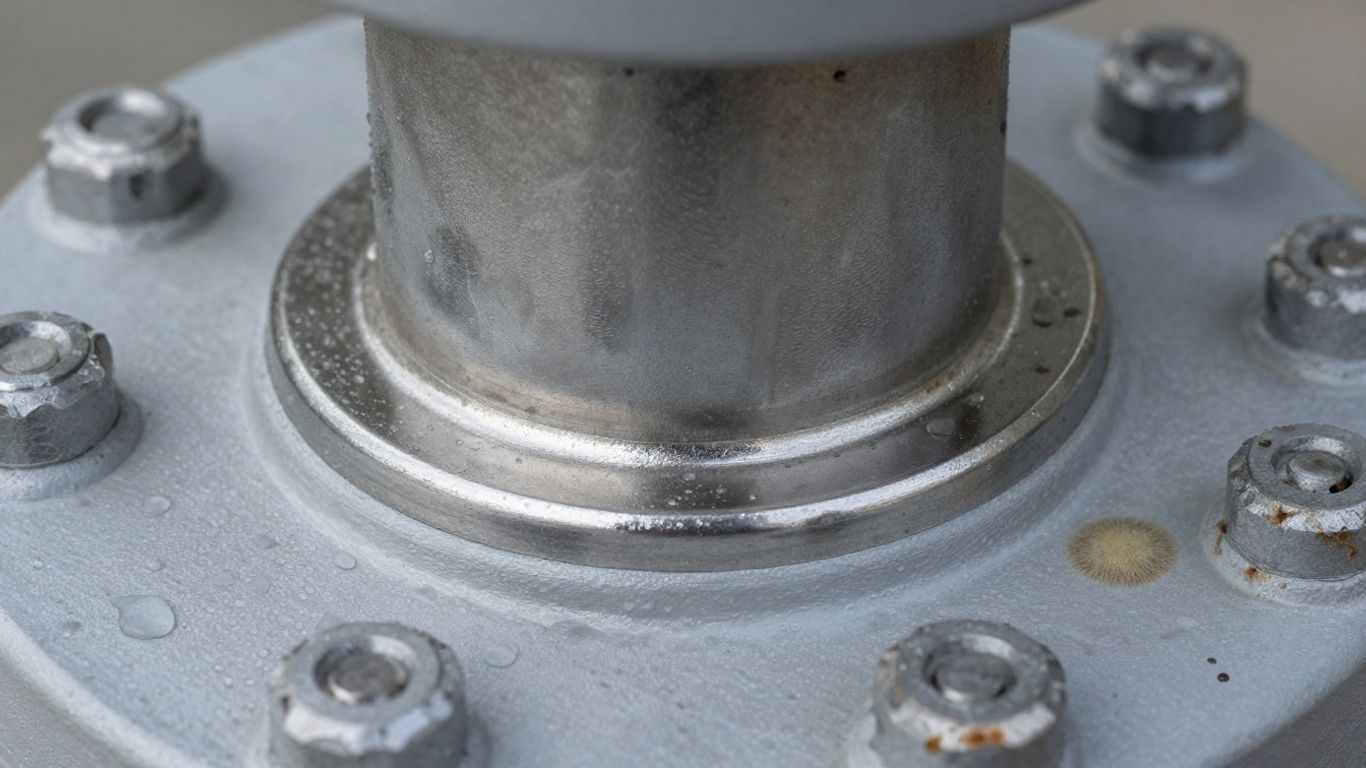
Incorporating Antimicrobial Agents Into Sealants
So, we’ve talked about how biofilms are a real pain, right? Well, one way to fight back is by adding special ingredients directly into the sealants themselves. Think of it like adding a little something extra to make the sealant work harder against those pesky microbes. These aren’t just any additives; they’re designed to either kill bacteria on contact or mess with their ability to communicate and form colonies. It’s a pretty neat trick.
Coating Surfaces For Microbial Inhibition
Another approach is to coat surfaces, including the seals, with materials that stop microbes in their tracks. This can be done in a couple of ways. Some coatings release a germ-killing substance over time, while others have a surface that’s just plain inhospitable to bacteria. It’s all about making it difficult for them to even get a foothold. The idea is to create a barrier that doesn’t just block them physically but actively discourages them from sticking around.
Efficacy Of Combined Antimicrobial Approaches
Sometimes, using just one method isn’t enough. That’s where combining strategies comes in. You might have a sealant with an antimicrobial agent mixed in, and then you also apply a special coating to the surface. This layered defense can be much more effective than relying on a single tactic. It’s like having multiple lines of defense working together to keep those biofilms at bay. The effectiveness can really depend on the specific microbes you’re dealing with and how the agents are applied.
Here’s a quick look at how different approaches might stack up:
| Strategy | Primary Action |
|---|---|
| Sealant with Additives | Kills microbes or disrupts communication |
| Surface Coatings (Release) | Releases germ-killing substances over time |
| Surface Coatings (Contact Kill) | Actively kills microbes upon contact |
| Combined Approaches | Multiple layers of defense for maximum impact |
It’s important to remember that these antimicrobial strategies are usually meant to work with regular cleaning and disinfection, not replace them entirely. They’re an extra layer of protection to make things even better.
Assessing Sealant Efficacy Against Biofilm
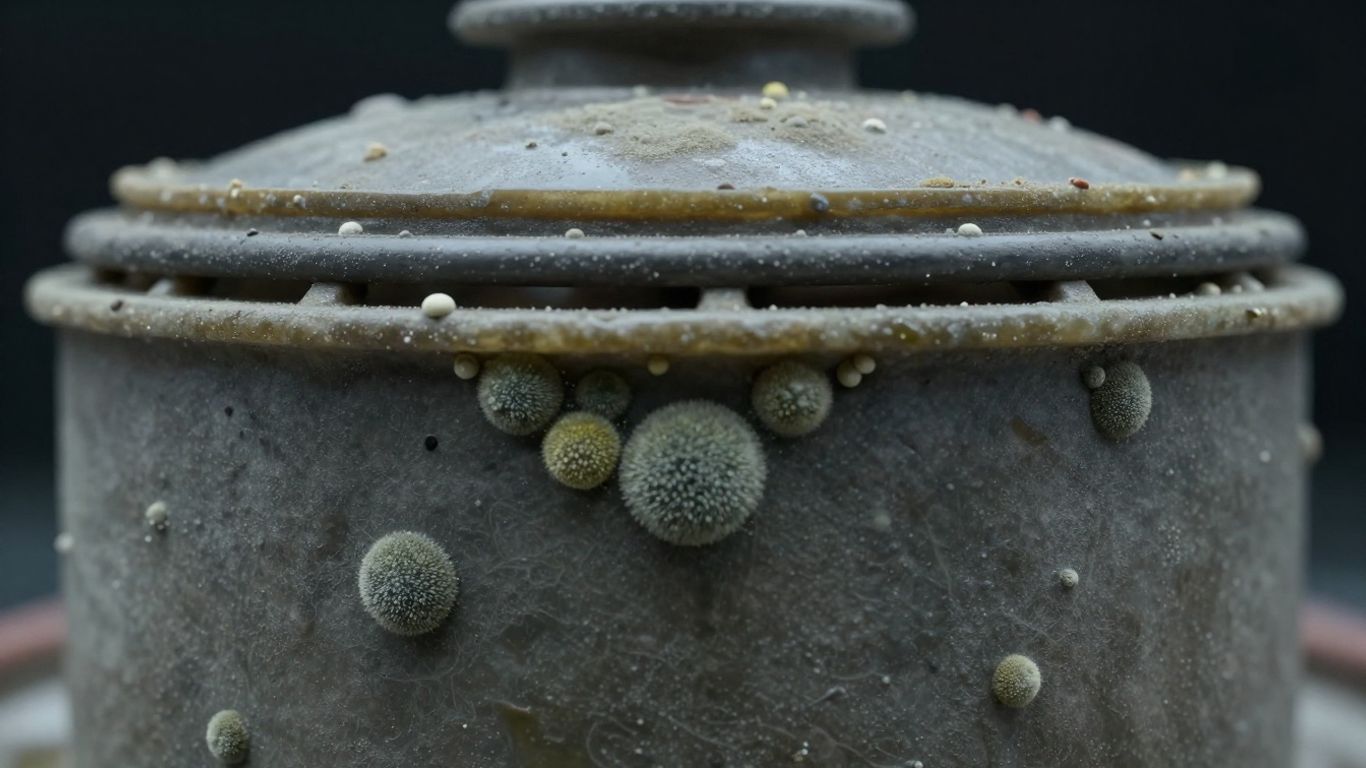
Biofilm growth can be sneaky—once it starts, it’s hard to stop. The real test for any well seal is how well it keeps bacteria from sticking to its surface in the first place. A sealant’s ability to resist early-stage biofilm formation is right up there in importance, especially in places like wells and pipes where water quality is a big deal.
Evaluating Bacterial Attachment On Different Surfaces
Initial bacterial attachment is like the starting line for biofilm. Researchers often compare how different surfaces—like various sealants versus stainless steel—handle exposure to bacteria. The plate count method is the standard way to measure this, and it’s used because it’s reliable and not too expensive.
Sealant surfaces consistently have lower bacterial counts than stainless steel, no matter if they have antimicrobials or not. Here’s a snapshot of typical findings after just three hours:
| Surface Type | Attached S. capitis (log CFU/cm²) | Attached M. lacticum (log CFU/cm²) |
|---|---|---|
| Stainless Steel | Higher (~2.0) | Higher (~2.1) |
| Sealant (Control) | 1.6 | 1.5 |
| Sealant (With AM)* | 1.5–1.7 | 1.4–1.6 |
*AM = Antimicrobial agent incorporated
Monitoring Early-Stage Biofilm Development
Three hours in, you’ve measured attachment—but what happens after 48 hours? That’s when biofilms start forming, and the picture can change. Adding antimicrobial and antifungal ingredients can lower the number of bacterial cells in the biofilm, but the degree of reduction really hinges on the ingredients used and the specific bacteria present.
- Combining both antibacterial and antifungal agents seems to reduce biofilm development more than using just one or the other.
- Some bacteria, like M. lacticum, respond better to these additions than others.
- Not every antimicrobial combo works the same way for every strain. There’s no one-size-fits-all.
Comparing Sealants With Stainless Steel
Here’s where things get interesting. People assume stainless steel is tough, but when it comes to biofilm, well sealants often do better.
- Biofilm numbers on stainless steel generally stay higher than on sealant surfaces, even with special coatings.
- The effectiveness of antimicrobials seems more noticeable on coated stainless steel for some bacteria, but for others, it barely moves the needle.
- There’s a clear pattern—stainless steel isn’t always the safer bet when trying to keep a water system clean.
Picking the right well sealant matters more than most folks realize, especially if you want to keep bacteria in check from the very start. It pays to know which materials actually stand up under these real-world conditions.
Factors Influencing Antimicrobial Surface Effectiveness
Dependence On Active Agent And Bacterial Species
So, you’ve got these antimicrobial surfaces, right? They’re supposed to keep the gunk from growing. But here’s the thing: not all antimicrobial agents are created equal, and neither are all bacteria. What works like a charm against one type of germ might not do much against another. It’s like trying to use a screwdriver to hammer a nail – wrong tool for the job.
- Different bacteria have different weaknesses. Some have tougher cell walls, others have clever ways of communicating to form defenses. The antimicrobial agent needs to be able to overcome these specific defenses.
- The agent itself matters. Is it designed to kill outright (bactericidal), or just stop them from multiplying (bacteriostatic)? Some work by disrupting the cell membrane, others interfere with internal processes like communication signals.
- Gram-positive vs. Gram-negative bacteria are a big difference. Gram-negative bacteria, for instance, have an extra outer membrane that can make them harder to kill.
It’s a bit of a balancing act, and what works in a lab setting with one specific bug might not perform the same way in the real world with a whole mix of microbes.
Correlation Between Coating Thickness And Effect
When we talk about antimicrobial coatings, the thickness of that layer can actually make a difference. It’s not always a case of ‘more is better,’ though. Sometimes, a super thick coating might not work as well as a thinner, more precisely applied one.
Think of it like paint. A thin, even coat protects and looks good. A thick, gloppy coat might chip easily or not adhere properly. With antimicrobial coatings, a very thick layer could potentially:
- Reduce the amount of active agent that’s actually exposed to the bacteria.
- Change the surface properties in a way that bacteria can still latch onto.
- Be more prone to wear and tear, losing its effectiveness over time.
On the flip side, a coating that’s too thin might not have enough of the active ingredient to be effective in the first place. Finding that sweet spot is key.
Variations In Antimicrobial Surface Performance
It’s pretty clear that antimicrobial surfaces aren’t a one-size-fits-all solution. Their performance can really vary depending on a bunch of things, and it’s not just about the active ingredient or how thick the coating is.
Here are some of the big players that can mess with how well these surfaces work:
- The environment: Things like temperature, humidity, and the presence of other substances (like organic matter or cleaning chemicals) can all impact how the antimicrobial agent behaves.
- How the surface is made: The way the antimicrobial agent is integrated into the surface – whether it’s mixed in, coated on top, or chemically bonded – makes a big difference in how it’s released or how it interacts with microbes.
- The type of bacteria present: As we touched on, different bacteria have different defenses. A surface that’s great against E. coli might be less effective against Staphylococcus.
- Surface properties: Things like how rough or smooth the surface is, or whether it’s more water-loving (hydrophilic) or water-repelling (hydrophobic), can influence how easily bacteria can stick in the first place.
Ultimately, the effectiveness of an antimicrobial surface is a complex interplay of the surface’s design, the specific microbes it encounters, and the conditions it’s exposed to. It’s not just a simple ‘on’ or ‘off’ switch for preventing biofilms.
Proactive Measures For Maintaining Water Quality
Homeowner Maintenance Routines
Keeping your home’s water system running smoothly and free from unwanted microbial growth is more about consistent, simple habits than anything overly complicated. Think of it like regular car maintenance – a little attention now can save you big headaches later. For starters, regularly flushing out unused taps can help prevent water from sitting stagnant, which is prime real estate for bacteria. If you have a water softener or filter system, don’t forget to change those cartridges on schedule. They’re designed to catch things, but once they’re full, they can’t do their job and might even become a source of contamination themselves. Also, keep an eye on any visible signs of leaks or unusual smells coming from your plumbing. These aren’t just annoying; they can indicate deeper issues that might affect water quality.
Importance Of Professional Plumbing Inspections
While DIY is great for some things, your home’s plumbing is a bit more complex. Scheduling periodic check-ups with a qualified plumber is a smart move. They have the tools and the know-how to spot problems you might miss, like subtle pressure drops, potential pipe corrosion, or early signs of seal degradation around your wellhead. These inspections aren’t just about fixing what’s broken; they’re about preventing future issues. A professional can assess the overall health of your system, including the integrity of your well seals, and offer advice tailored to your specific setup. It’s a proactive step that can save you from costly emergency repairs and potential water contamination down the line.
Sanitary Design Principles For Water Systems
When water systems are first put in place, or when upgrades are made, thinking about sanitary design is key. This means building systems in a way that makes them easy to clean and difficult for microbes to colonize. For well systems, this translates to things like ensuring the wellhead is properly sealed and elevated to prevent surface water from getting in. It also means using materials that don’t easily harbor bacteria and designing pipes with minimal dead spots where water can stagnate. Even simple things like ensuring proper drainage around the well can make a difference. The goal is to create a system that is inherently resistant to contamination, making ongoing maintenance simpler and more effective.
The best defense against biofilm is a well-designed system that’s easy to keep clean. Thinking about how water flows and where it might sit stagnant is a big part of preventing problems before they start. It’s about making the system work with you, not against you, in the fight against microbial growth.
Wrapping It Up
So, what’s the takeaway here? It seems like well seals can definitely play a part in stopping those pesky biofilms from getting a foothold. While stainless steel surfaces can be tricky, some sealants, especially those with the right mix of germ-fighting stuff, showed they can cut down on bacteria sticking around. It’s not a one-size-fits-all deal, though. What works for one type of germ might not work for another, and how much of the germ-killer is in there matters too. Basically, if you’re making equipment or using water systems, picking the right kind of seal is a smart move to keep things cleaner and healthier. It’s all about choosing wisely based on what you’re dealing with.
Frequently Asked Questions
What exactly is a biofilm?
Think of a biofilm as a slimy, sticky layer made by tiny living things, like bacteria. They stick together on surfaces, creating a community that’s hard to get rid of. It’s like a city for microbes, protected by a special shield they build themselves.
How do well seals help stop biofilms from forming?
Well seals act like a strong barrier. They block tiny organisms and dirt from getting into your water system in the first place. By keeping these unwanted visitors out, they prevent the building blocks of biofilms from ever getting a chance to start growing.
Are all well seal materials the same when it comes to stopping germs?
No, not at all! Some materials are better than others. The best seals are made from stuff that microbes have a really hard time sticking to. Special materials can also have germ-fighting ingredients mixed in or coated on them to make them even more effective.
Can adding special stuff to seals make them even better at fighting germs?
Yes, absolutely! Scientists can add germ-killing or mold-stopping substances right into the seal material or coat the seal with them. This makes the seal actively fight off microbes, preventing them from attaching and forming those stubborn biofilms.
How do we know if a well seal is actually working well against biofilms?
We can test them! Scientists take different seal materials and see how many germs stick to them. They also check to see if early signs of biofilm start to grow. Comparing how well seals work against tough surfaces like stainless steel helps us understand their real-world performance.
What can I do as a homeowner to help prevent biofilms in my water system?
You play a big part! Regularly run water in faucets you don’t use often to keep things flowing. Clean things like faucet heads and drain covers where gunk can build up. Using hot water sometimes and keeping your appliances clean also helps a lot. Think of it as regular maintenance for your water’s health!