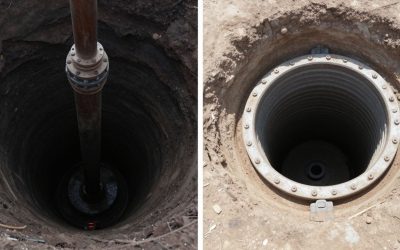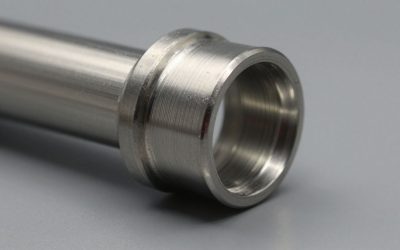
You know, when you think about getting water from a well, you probably don’t spend a lot of time worrying about the little details. But there’s a part of the system that’s super important for keeping your water clean: the well seal. It might not sound like much, but this simple component plays a big part in making sure the water coming out of your tap is safe to drink. Let’s talk about the role of well seals in safe drinking water systems and why they matter so much.
Key Takeaways
- Well seals act as a barrier, stopping bad stuff like dirt, bugs, and chemicals from getting into your well water.
- Keeping contaminants out directly helps maintain the quality and safety of the water you drink.
- Different types of seals exist, and picking the right one for your well setup is important for it to work properly.
- Putting a well seal in correctly and checking it regularly helps prevent problems down the line.
- If a well seal fails, it can lead to contaminated water, making it unsafe to drink and potentially causing expensive fixes.
Understanding The Importance Of Well Seals
So, you’ve got a well for your water, which is pretty neat. But have you ever stopped to think about what’s actually keeping the yucky stuff out? That’s where well seals come in. They’re not just some random piece of equipment; they’re a big deal for keeping your water safe to drink.
Preventing Contaminant Intrusion
Think of a well seal as the gatekeeper for your well. Its main job is to stop anything from getting into your water supply that shouldn’t be there. We’re talking about things like:
- Surface water runoff, especially after it rains.
- Insects, rodents, and other small critters.
- Chemicals from pesticides or fertilizers used nearby.
- Sewage or septic system leaks.
Without a good seal, all sorts of unwanted guests can find their way into your well, turning clean water into something you definitely don’t want to drink. It’s like leaving your front door wide open for trouble.
Maintaining Water Quality
When contaminants get into your well, it doesn’t just make the water look or smell bad. It can actually make it unsafe. Bacteria, viruses, and chemicals can cause all sorts of health problems, from upset stomachs to more serious long-term illnesses. A proper well seal is your first line of defense in keeping the water potable.
The integrity of your well seal directly impacts the health of everyone who relies on that water source. It’s a simple barrier, but its role is incredibly significant in protecting public health.
Ensuring System Integrity
Beyond just keeping bad stuff out, well seals also help keep the whole well system working right. They prevent the well casing from getting damaged, which could lead to bigger problems down the line. A well-maintained seal means your well is more likely to last longer and function as it should, providing you with reliable water.
- Protects the well casing from physical damage.
- Helps maintain proper water pressure.
- Reduces the risk of the well collapsing.
Types Of Well Seals And Their Functions
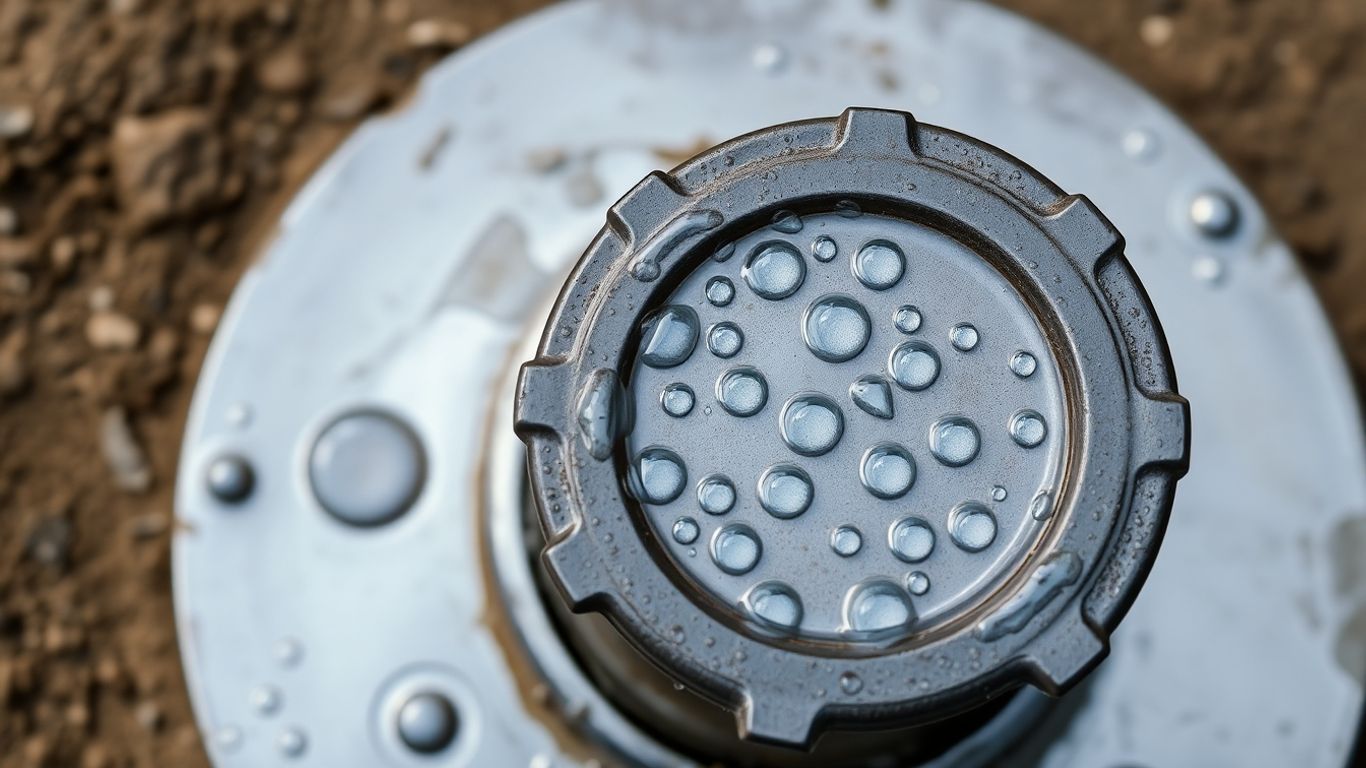
So, you’ve got a well, and you need to keep it clean, right? Well seals are the gatekeepers for your water. They’re not all the same, though. Different wells and different situations call for different kinds of seals. Let’s break down the main players.
Above-Ground Seals
These are pretty common and usually sit right on top of the well casing. Think of them as the first line of defense. They’re designed to keep surface water, bugs, and all sorts of other gunk from getting into your well. They’re often made of durable materials like steel or plastic and are bolted or clamped securely to the casing.
- Pitless Adapters: These are a bit fancy. They allow you to bring water lines out below the frost line, meaning your connection point is underground and protected. This is great for preventing freezing and keeping the top of the well clean.
- Weld-On Caps: Simpler than pitless adapters, these are welded directly onto the well casing. They provide a basic seal but might require a separate frost cap in colder climates.
- Threaded Caps: If your well casing has threads, a threaded cap is an easy option. It screws on and off, making access for maintenance simpler.
These above-ground seals are your primary barrier against immediate surface contamination. Making sure they’re installed correctly and remain intact is a big part of keeping your water safe.
Below-Ground Seals
Sometimes, the sealing needs to happen deeper down, especially in areas with specific geological concerns or where the wellhead needs to be protected from damage. These seals are installed below the surface.
- Annular Seals (Grouting): This is a more permanent solution, often done during well construction. It involves filling the space between the well casing and the borehole wall with cement or bentonite clay. This creates a solid barrier against water seeping in from the sides, especially from shallower, potentially contaminated aquifers.
- Packer Seals: These are inflatable or mechanical devices used to isolate specific zones within the well or to seal off unwanted water inflow. They’re often used in more complex well systems or for remediation.
Seals For Different Well Casing Materials
The material your well casing is made from also plays a role in the type of seal you’ll use. You can’t just slap any old seal on any casing.
- Steel Casings: These are sturdy and can often handle welded or bolted seals. Special attention needs to be paid to prevent rust around the seal area.
- PVC/Plastic Casings: These are lighter and don’t rust, but they can be more susceptible to UV damage and might require specific types of clamps or adhesives to get a good seal without damaging the plastic.
- Concrete Casings: Older wells might have concrete casings. These can be trickier to seal effectively due to their porous nature and potential for cracking over time. Specialized sealants or repair methods might be needed.
Choosing the right seal isn’t just about picking one off the shelf; it’s about matching the seal type to your well’s construction, location, and the specific risks it faces. It’s a pretty important detail when you think about it.
Installation Best Practices For Well Seals
Getting a well seal put in right is super important for keeping your water clean and your well system working well. It’s not just about slapping something on; there’s a bit of a process to it.
Proper Site Preparation
Before you even think about putting the seal on, you gotta get the area around the wellhead ready. This means clearing away any debris, like rocks, dirt, or old equipment. You want a clean, stable surface for the seal to sit on. If the ground is uneven, you might need to level it out a bit. A good foundation makes all the difference.
- Remove all loose soil and vegetation.
- Check for any obstructions around the casing.
- Ensure the ground surface is firm and level.
Correct Seal Placement
This is where you need to be careful. The seal needs to fit snugly around the well casing. Different types of seals have different ways they attach, but the goal is always the same: a tight, watertight fit. Making sure there are no gaps is the main thing. You don’t want any little critters or dirty water finding a way in.
The seal acts as the first line of defense against surface water and contaminants. Its placement must be precise to create an effective barrier.
Securing The Seal Effectively
Once the seal is in place, you have to secure it properly. This usually involves tightening bolts or clamps. You don’t want it to shift or loosen over time, especially with weather changes or ground movement. Follow the manufacturer’s instructions for the specific seal you’re using, as they can vary. A properly secured seal will last longer and do a better job.
- Tighten all fasteners evenly.
- Double-check that the seal is centered on the casing.
- Confirm that the seal is flush with the wellhead surface.
Maintenance And Inspection Of Well Seals
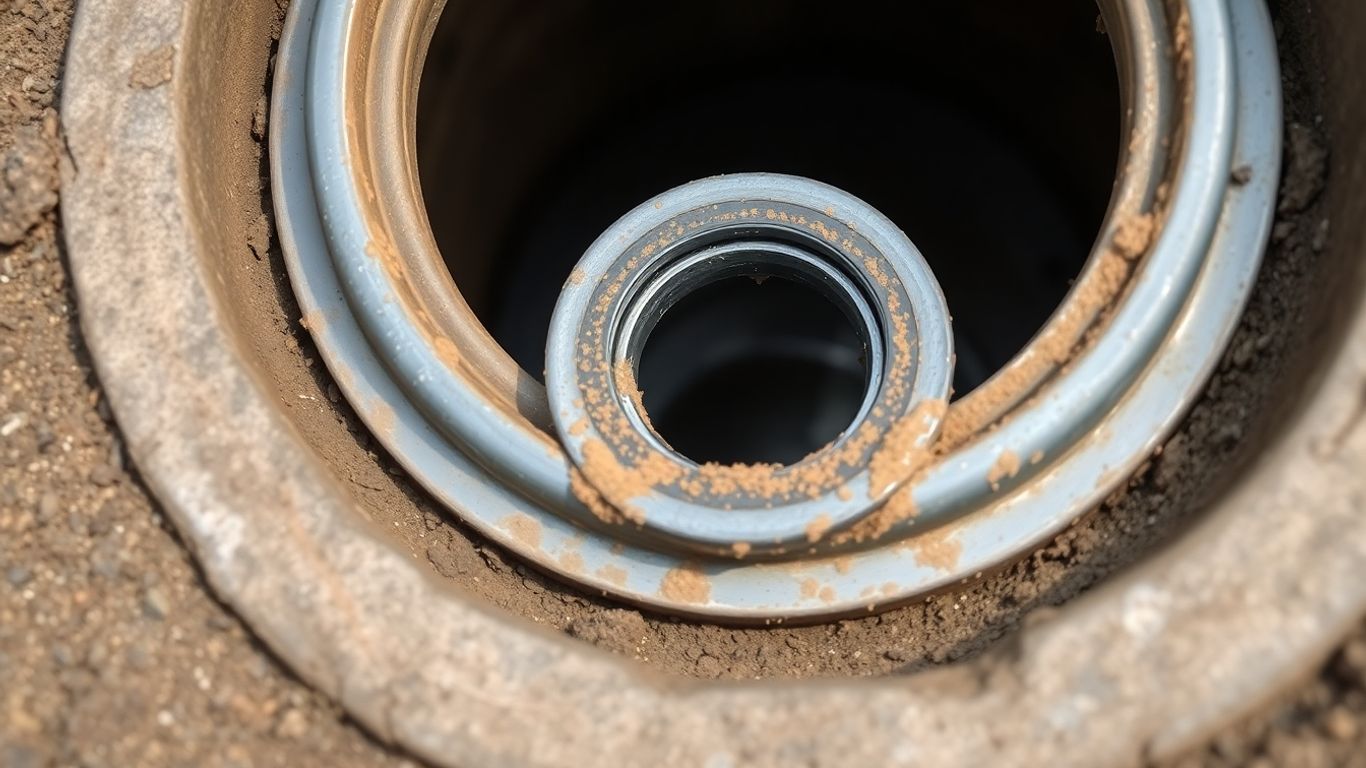
So, you’ve got a well, and you want to keep that water clean and safe, right? Well, the seal on top of your well casing is a big part of that. It’s not just a ‘set it and forget it’ kind of thing. Regular checks and upkeep are super important to make sure it’s doing its job.
Regular Visual Checks
This is the easiest part, and you can do it yourself. Just take a look at the seal every so often. What are you looking for? Well, a few things:
- Is the seal cracked or broken anywhere?
- Are there any gaps where bugs or dirt could get in?
- Does it look like water has been pooling around it, maybe causing rust or damage?
- Is the cap or cover still on tight?
These quick peeks can catch small problems before they turn into big headaches.
Identifying Signs Of Wear Or Damage
Sometimes, things just wear out. Seals can get brittle over time, especially if they’re exposed to the sun a lot. You might see:
- Cracks, especially around the edges or where it meets the casing.
- Deterioration of the material – it might look crumbly or soft.
- Evidence of pests – look for droppings or nesting materials around the seal.
- Corrosion on any metal parts, like bolts or the casing itself near the seal.
If you spot any of these, it’s time to pay closer attention.
Scheduled Professional Inspections
While you can do the basic checks, it’s a good idea to have a pro look at it now and then. They have the experience to spot things you might miss. They can tell you if the seal is still providing a good barrier against contaminants. Think about getting a professional inspection at least once a year, or maybe more often if you’re in an area with a lot of groundwater activity or if your well is older.
A well seal’s main job is to keep the bad stuff out. That means everything from surface water carrying pesticides and animal waste to insects and even small critters. If that seal isn’t doing its job, you’re basically leaving the door wide open for contamination. It’s a simple component, but its role in protecting your water supply is huge.
Don’t wait until you have a problem with your water to think about the well seal. A little bit of preventative care goes a long way in keeping your drinking water safe and your well system running smoothly.
Consequences Of Failing Well Seals
So, what happens when a well seal decides to call it quits? It’s not just a minor inconvenience; it can lead to some pretty serious problems for your water supply. A compromised well seal is a direct invitation for trouble.
Risk Of Groundwater Contamination
This is the big one, folks. When a seal fails, it creates an open pathway for all sorts of nasty stuff to get into your well water. Think about what’s on the surface: animal waste, pesticides from nearby fields, oil or gas spills, even just surface runoff carrying dirt and debris. All of this can seep down into the aquifer, mixing with your clean water. It’s like leaving your front door wide open during a storm – everything gets in.
Impact On Water Potability
Once contaminants get in, your water stops being safe to drink. We’re talking about bacteria, viruses, and chemical pollutants. These aren’t just going to make your water taste or smell bad; they can actually make you and your family sick. We’re talking about gastrointestinal issues, long-term health problems, and generally just not having reliable, safe water for cooking, cleaning, or drinking. It really makes you appreciate that clean water we often take for granted.
Potential For Costly Repairs
Ignoring a failing seal isn’t going to make it better. In fact, it usually makes things much worse and way more expensive down the line. You might start with a simple seal replacement, but if contamination has set in, you could be looking at:
- Extensive water testing to figure out what’s wrong.
- Shock chlorination or other treatments to try and kill off bacteria.
- Potentially needing to drill a new well if the contamination is severe and untreatable.
- Replacing damaged well components that have corroded due to contaminants.
Dealing with a failed well seal can turn into a real headache. It’s not just about the immediate fix; it’s about the ripple effect it has on the entire water system and, more importantly, on the health of everyone who relies on that water. Proactive maintenance really is the name of the game here.
Regulatory Standards For Well Seals
Federal Guidelines
When it comes to keeping our drinking water safe, there are rules in place, and they often start at the federal level. Agencies like the Environmental Protection Agency (EPA) set standards that aim to protect groundwater from contamination. These guidelines aren’t just suggestions; they’re designed to make sure wells are built and maintained in a way that minimizes risks. The goal is always to prevent anything harmful from getting into the water supply. Think of it as a baseline for safety across the country.
State And Local Requirements
While federal rules provide a foundation, states and even local counties often have their own specific regulations. These can be more detailed or even stricter, depending on the local geology and water sources. For instance, a state with a lot of agricultural activity might have tighter rules about well sealing to prevent pesticide runoff. It’s really important to know what applies in your specific area because these local rules can vary quite a bit.
- Well construction permits: Many places require permits before you can even drill a new well.
- Casing depth and material: Rules might dictate how deep the well casing needs to go and what materials are acceptable.
- Sealant type and application: Specific types of grout or sealant might be mandated, along with how they should be installed.
- Distance from potential pollution sources: Local laws often set minimum distances wells must be from septic systems, animal feedlots, or chemical storage areas.
Local health departments and environmental agencies are usually the best resources for understanding the exact requirements in your community. They can provide checklists and guidance to help well owners stay compliant and keep their water safe.
Compliance For Public Health
Following these regulations isn’t just about avoiding fines; it’s directly tied to public health. Properly sealed wells are a key defense against waterborne illnesses. When seals fail or aren’t installed correctly, contaminants like bacteria, viruses, and chemicals can seep into the groundwater. This can lead to serious health issues for anyone drinking that water. So, adhering to these standards is a vital step in protecting communities and maintaining the safety of our drinking water sources.
Wrapping It Up
So, we’ve talked a lot about well seals and why they matter for keeping our drinking water safe. It might seem like a small detail, but honestly, it’s a pretty big deal. A good seal stops all sorts of nasty stuff from getting into the water supply, like bacteria or chemicals. Without one, you’re basically leaving the door open for problems. Making sure your well is properly sealed, and checking it now and then, is just good sense for anyone with a private well. It’s one of those things that doesn’t get a lot of attention, but it plays a huge part in making sure the water coming out of your tap is clean and safe to drink. Think of it as the first line of defense for your water.
Frequently Asked Questions
Why are well seals so important for my drinking water?
Think of a well seal like a cap on a bottle. It’s super important because it stops yucky stuff like dirt, bugs, and even chemicals from getting into your well water. This keeps your water safe and clean to drink.
What happens if a well seal breaks or isn’t working right?
If a well seal isn’t doing its job, bad things can get into your water. This means your drinking water might become unsafe and could even make you sick. It can also cause problems with the well itself, leading to expensive fixes.
Are there different kinds of well seals?
Yes, there are! Some seals sit on top of the ground, while others are placed underground. The type you need often depends on how your well is built and what materials it’s made from, like plastic or metal pipes.
How do I know if my well seal needs to be replaced?
You should look at your well seal regularly. If you see cracks, if it looks worn out, or if you notice any strange smells or tastes in your water, it might be time for a check-up. It’s a good idea to have a professional look at it every so often too.
Can I put a well seal in myself?
While some simple seals might be installed by a handy homeowner, it’s usually best to have a professional do it. They know exactly how to prepare the area and make sure the seal is put in correctly so it works perfectly and lasts a long time.
Are there rules about how well seals should be installed?
Absolutely! There are rules and guidelines from the government and local authorities that explain how well seals should be put in place. Following these rules helps make sure everyone has access to safe drinking water.