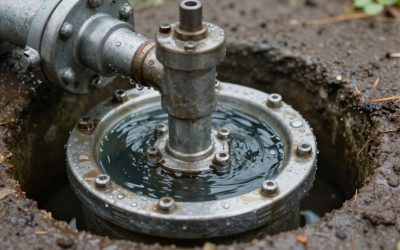
Thinking about your home’s water supply? It all starts with the well. Making sure that well is sealed up right is super important. It’s not just about keeping dirt out; it’s about keeping your water safe to drink and making sure your well lasts a long time. This article is all about why every well needs a properly installed well seal.
Key Takeaways
- A good seal stops bad stuff from getting into your well water, like surface water and tiny germs.
- Proper sealing helps keep your well structure sound and prevents damage to the casing.
- A well seal is key to making your well last longer and work right for years.
- Ignoring a bad seal can lead to health problems from dirty water and big repair bills.
- Getting a professional to install your well seal is a smart move for safe water and peace of mind.
Protecting Your Water Source From Contamination
Your well is the gateway to your home’s water supply, and keeping that water clean is a big deal. Without a proper seal, all sorts of unwanted stuff can find its way in. Think of it like leaving your front door wide open – you wouldn’t do that, right? Your well needs that same level of security.
Preventing Surface Water Intrusion
Rainwater, runoff from your yard, or even water from nearby ditches can carry a lot of gunk. When a well isn’t sealed correctly at the surface, this water can seep down along the outside of the well casing. This isn’t just dirt and leaves; it can include pesticides from your lawn, animal waste, or whatever else is sitting on the ground. A good seal acts as a barrier, stopping this surface water from getting into your well water before it even has a chance to reach the aquifer. It’s the first line of defense.
Blocking Unwanted Microorganisms
Bacteria, viruses, and other tiny organisms are everywhere, especially in soil and surface water. If your well seal is compromised, these microscopic troublemakers have a direct path to your drinking water. We’re talking about things like E. coli or coliform bacteria, which can cause serious health problems. A well seal is designed to keep these pathogens out, making sure the water drawn from your well is safe to drink.
Safeguarding Against Chemical Pollutants
Beyond just dirt and germs, chemicals are another major concern. Leaking fuel tanks, industrial spills nearby, or even road salt can all contaminate groundwater. A proper well seal helps prevent these chemicals from migrating down the well casing and mixing with your potable water. It’s about protecting the purity of the water you rely on every single day.
The integrity of your well seal directly impacts the quality of the water you and your family consume. It’s not just about keeping things out; it’s about maintaining the purity of the water source itself. This barrier is vital for long-term water safety.
Ensuring Well Integrity And Longevity
A well isn’t just a hole in the ground; it’s a carefully constructed system designed to bring clean water to your home. Keeping that system sound and working for years to come is a big deal. A properly sealed well plays a massive part in this. It’s not just about keeping bad stuff out, but also about making sure the whole structure stays solid.
Maintaining Structural Stability
Think of the well casing as the skeleton of your well. It’s usually a pipe that keeps the hole from collapsing. Without a good seal around the top, water and soil can seep in, weakening the casing over time. This can lead to shifts, cracks, or even a full collapse. A good seal acts like a protective collar, holding everything in place and preventing the ground from pressing in unevenly. This stability means your well is less likely to have problems down the road.
Preventing Well Casing Damage
Surface water, especially after heavy rain or snowmelt, can carry all sorts of things – dirt, debris, and even chemicals. If this water can get down the outside of your well casing, it can cause erosion. Over time, this erosion can undermine the casing’s support, making it unstable. It can also introduce corrosive elements that eat away at the metal or plastic. A proper seal stops this water from getting in there in the first place, protecting the casing from wear and tear.
Extending The Lifespan Of Your Well
Basically, a well that’s protected from the elements and structural issues is going to last a lot longer. When you prevent contamination and keep the casing strong, you’re avoiding a lot of potential headaches. This means fewer expensive repairs and less worry about needing a whole new well drilled. It’s a bit like taking care of a car – regular maintenance, like a good seal, means it runs better for more years.
A well seal is more than just a cap; it’s a barrier that works constantly to keep your water source safe and sound. It protects the physical structure of the well from external forces and materials that could cause damage or shorten its useful life. This proactive measure saves money and hassle in the long run.
So, when you think about your well, remember that the seal isn’t just a small detail. It’s a key component in keeping the entire system working right and giving you reliable water for a long time. It’s about longevity and making sure your investment keeps paying off.
The Critical Role Of A Professional Well Seal
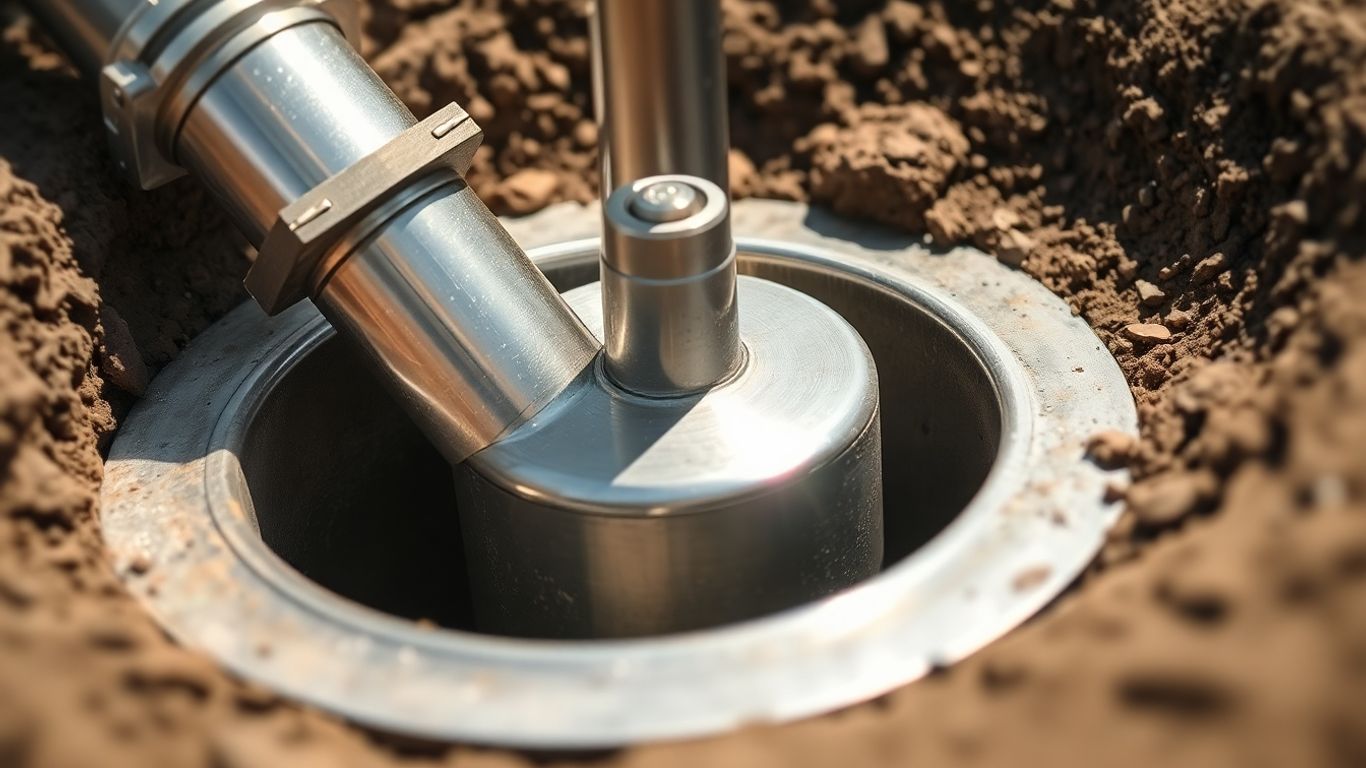
So, you’ve got a well, and that’s great. But just having a well isn’t enough. You need to make sure it’s sealed up right. This isn’t a DIY job for most folks, and here’s why calling in a pro makes all the difference.
Understanding Sealant Materials
When we talk about sealing a well, it’s not just about slapping some mud around the top. Professionals know about the different materials that work best. They consider things like:
- Bentonite Clay: This is a natural clay that swells when wet, creating a really good barrier against surface water. It’s often used in granular or pellet form.
- Cement Grout: A mix of cement, water, and sometimes additives. It hardens into a solid, impermeable seal. It’s strong and lasts a long time.
- Specialty Sealants: There are other engineered products designed for specific conditions, like those with high mineral content or unusual soil types.
The right material depends on your specific well and the ground it’s in. A pro can tell you what’s best, not just what’s cheapest or easiest to find.
Proper Installation Techniques
Even the best sealant won’t do much if it’s not put in correctly. A professional installer knows the steps involved:
- Preparing the Annular Space: This is the gap between the well casing and the borehole wall. It needs to be clean and free of debris.
- Applying the Sealant: Whether it’s pouring bentonite or pumping grout, there’s a specific way to do it to avoid voids or weak spots.
- Curing and Setting: Sealants need time to set properly. Rushing this can compromise the seal.
It’s about creating a continuous, watertight barrier from the surface down to a certain depth, usually past the shallowest water-bearing zone.
The Importance Of Regular Inspections
Think of a well seal like the roof on your house. You don’t just put it on and forget about it. Regular check-ups are key.
A professional inspection can spot early signs of trouble, like cracks in the grout or degradation of the sealant material. Catching these issues early means you can fix them before they lead to bigger problems, like contamination or casing damage. It’s a proactive step that saves a lot of headaches and money down the road.
These inspections help confirm that the seal is still doing its job effectively, protecting your water supply year after year. It’s a small part of well maintenance that has a huge impact on water quality and well life.
Consequences Of An Inadequately Sealed Well
So, you skipped on getting that well seal done right, or maybe you thought a quick fix would do. Let’s talk about what can happen because, honestly, it’s not pretty. Ignoring a proper well seal is like leaving your front door wide open to all sorts of unwanted guests.
Health Risks Associated With Contaminated Water
This is the big one, folks. When your well isn’t sealed properly, surface water can easily seep in. This isn’t just dirt and leaves; it’s a direct highway for bacteria, viruses, and other nasty microorganisms. Think E. coli, giardia, or even worse. Drinking water contaminated with these can lead to some serious health issues, from stomach bugs that keep you on the toilet for days to more long-term problems. Kids and older folks are especially vulnerable. It’s not worth the risk.
Costly Repairs Due To Damage
Beyond the health stuff, a bad seal can wreck your well itself. Water carrying sediment can get into the casing, causing it to corrode or get clogged over time. If chemicals from nearby septic systems or agricultural runoff find their way in, they can also damage the well components. Fixing a damaged well casing or pump system is way more expensive than getting a good seal in the first place. We’re talking thousands of dollars, potentially.
Potential Legal And Regulatory Issues
Depending on where you live, there might be rules about well construction and maintenance. If your well isn’t up to code because of a faulty seal, you could face fines or be required to make costly upgrades. In some cases, if your contaminated water affects neighbors, you could even run into legal trouble. It’s a headache you definitely don’t need.
The bottom line is that a well seal isn’t just a formality; it’s a barrier. It’s the first line of defense for your water supply. Cutting corners here means you’re gambling with your health, your wallet, and potentially your legal standing. It’s a gamble that rarely pays off.
Choosing The Right Well Sealing Solution
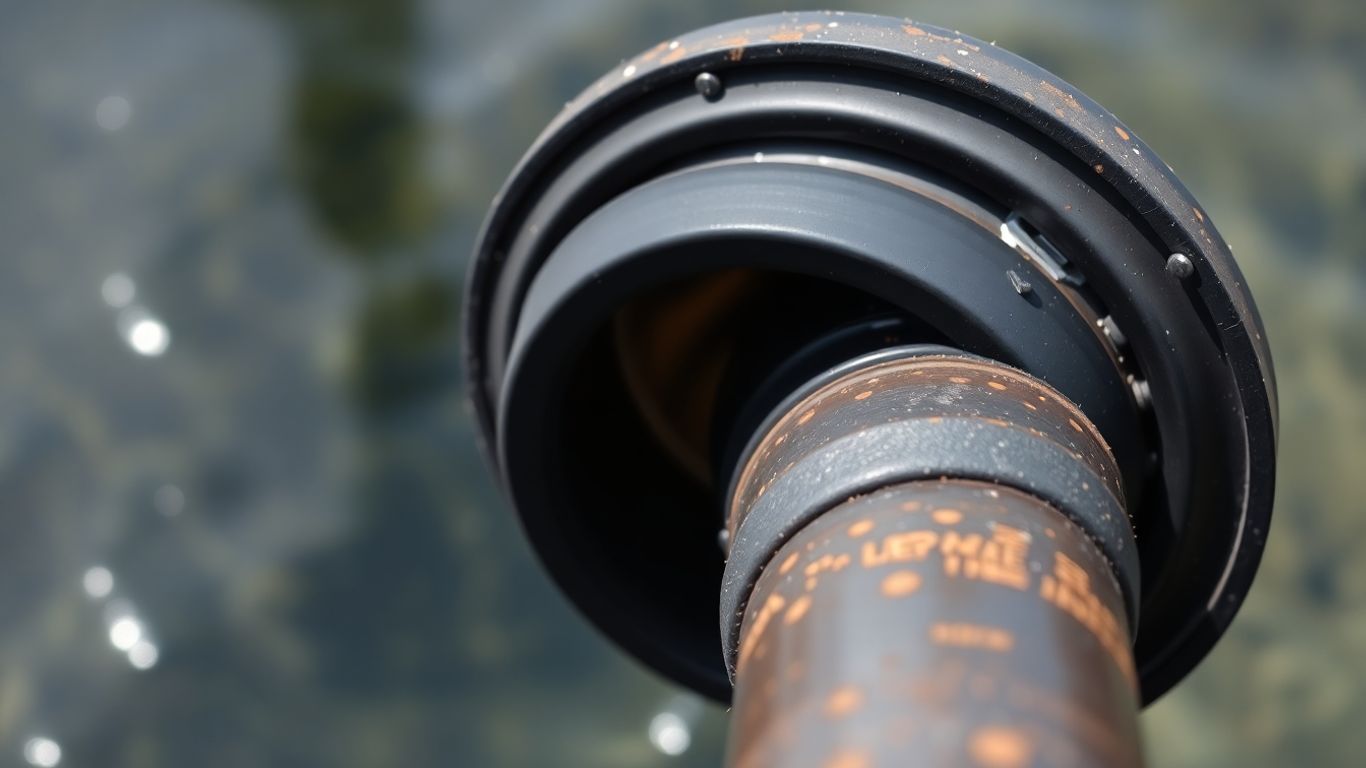
So, you’ve decided a proper well seal is a must-have. That’s smart thinking. But not all seals are created equal, and picking the right one for your specific well can feel a bit overwhelming. It’s not just about slapping some goop around the casing; there’s a bit more to it than that. Getting this part right is key to keeping your water clean and your well working well for years to come.
Assessing Your Specific Well Needs
Before you even start looking at products or calling around, you need to know what you’re dealing with. Think of it like going to the doctor – they need to know your symptoms before they can prescribe medicine. For your well, this means figuring out:
- Well Depth and Diameter: Is it a shallow dug well or a deep drilled one? The size matters for the type and amount of sealant needed.
- Geology of the Area: Are you in rocky soil, clay, or sand? This affects how the seal will hold up and what materials will work best.
- Water Table Level: How close is the groundwater to the surface? This can influence the type of seal that’s most effective at preventing contamination.
- Existing Conditions: Is there already a seal in place? What condition is the well casing in? Any cracks or damage will need to be addressed.
Selecting Certified Professionals
Look, you could try to do this yourself, but honestly, it’s usually not worth the headache. A poorly installed seal can cause more problems than it solves. You want someone who knows their stuff. When you’re looking for a pro:
- Check for Certifications: Are they licensed and certified by the relevant state or local authorities? This is non-negotiable.
- Ask for Experience: How long have they been working on wells in your area? Local knowledge is a big plus.
- Get References: Talk to previous clients. Did they do a good job? Were they professional and timely?
- Request Detailed Quotes: Make sure the quote clearly outlines the work to be done, the materials used, and the warranty.
Don’t just go with the cheapest option. Sometimes, saving a few bucks upfront can cost you a lot more down the line in repairs or water treatment. A good professional will explain the process and why they recommend certain materials or methods for your specific situation.
Understanding Different Sealing Methods
There are a few ways to get that seal done right, and the best method often depends on your well’s specifics. The goal is always to create a watertight barrier between the surface and the groundwater.
- Grouting: This is a common method, especially for drilled wells. It involves pouring a cement-based grout or a bentonite clay slurry into the annular space (the gap between the well casing and the borehole wall). This creates a solid, impermeable seal.
- Bentonite Seals: Bentonite clay is a natural material that swells when wet, forming a very effective barrier. It can be used in pellet, powder, or slurry form and is particularly good in certain soil types.
- Mechanical Seals: These are less common for primary sealing but can be used in specific situations or as a secondary measure. They often involve expanding materials or packers.
Each method has its pros and cons, and a good well professional will guide you toward the most appropriate and effective solution for your well’s unique circumstances. It’s an investment in your water’s safety.
Why Every Well Needs A Properly Installed Well Seal
So, you’ve got a well. That’s great! It’s a direct line to fresh water, which is pretty amazing when you think about it. But just having a well isn’t enough. You need to make sure it’s sealed up right. This isn’t just a suggestion; it’s a necessity for safe water. Think of it like putting a lid on a jar – it keeps the good stuff in and the bad stuff out. Without a good seal, your well is basically an open invitation for all sorts of unwanted guests.
The Foundation Of Safe Drinking Water
Your well seal is the first line of defense for your water. It sits right at the top, where the well casing meets the ground surface. Its main job is to stop anything from getting down into your water supply that shouldn’t be there. This includes:
- Surface water, which can carry all sorts of things from the land above.
- Tiny organisms like bacteria and viruses that can make you sick.
- Chemicals from pesticides, fertilizers, or even spills.
A properly installed seal acts like a barrier, keeping these contaminants from reaching your drinking water. It’s a simple concept, but incredibly important for your health.
A Crucial Investment In Health And Safety
When you think about the cost of a well seal, compare it to the potential costs of dealing with contaminated water. We’re talking about health issues, expensive water treatment systems, or even having to drill a new well if the contamination is severe. A good seal is a proactive step that saves you a lot of trouble down the road. It’s about protecting your family’s well-being and the value of your property.
The integrity of your well’s seal directly impacts the quality of the water you and your family consume daily. It’s a small component with a massive responsibility.
Peace Of Mind For Homeowners
Knowing your well is properly sealed means you can relax a bit. You don’t have to constantly worry about what might be getting into your water. It’s one less thing to stress about in your busy life. Regular checks and a good initial installation give you that confidence. It’s a smart move for anyone relying on well water.
So, What’s the Takeaway?
Look, when it comes to your well, you don’t want to cut corners. A good seal might not seem like a big deal, but it really is. It’s like putting a lid on a jar – it keeps the good stuff in and the bad stuff out. Skipping this step or doing it wrong can lead to a whole heap of problems down the road, from yucky water to expensive repairs. It’s just smarter to get it done right the first time by someone who knows what they’re doing. Your wallet, and your water, will thank you for it later.
Frequently Asked Questions
What exactly is a well seal and why is it so important?
Think of a well seal like a cap or a plug for your well. Its main job is to keep yucky stuff from getting into your water supply. Without a good seal, dirt, bugs, and even chemicals from the surface could sneak into your well and make your water unsafe to drink. It’s a simple but super important way to protect your water.
Can surface water really get into my well easily?
Yes, it can! Rainwater, water from your lawn, or even spills can run down the outside of your well pipe. If the seal at the top isn’t tight and secure, this surface water can easily seep down into your well. This is why a proper seal is like a barrier, stopping that unwanted water from mixing with your clean groundwater.
What kinds of bad stuff can get into my well if it’s not sealed right?
Lots of things! Tiny germs like bacteria and viruses can get in, which can make you sick. You might also get dirt, leaves, and other debris. Even worse, chemicals from pesticides, fertilizers, or fuel spills could find their way into your water, which is really dangerous.
How long does a well seal usually last, and do I need to check it often?
Well seals are built to last a long time, often many years. However, things like weather changes, ground movement, or just age can cause them to wear out or crack. It’s a good idea to have a professional check your well seal every few years, or if you notice any changes in your water quality, like a funny smell or taste.
What happens if my well isn’t sealed properly? Will it cost a lot to fix?
If your well isn’t sealed well, you could face big problems. The most serious is getting sick from contaminated water. You might also have to pay a lot for repairs if the lack of a seal causes damage to your well casing or allows pollutants to build up. Sometimes, you might even run into trouble with local rules if your well isn’t up to safety standards.
Is it okay to try and seal my well myself, or should I always call a pro?
It’s definitely best to have a trained professional install or check your well seal. They know the right materials to use and exactly how to install it so it’s completely secure. Trying to do it yourself might seem like a money-saver, but a mistake could lead to much bigger and more expensive problems down the road, not to mention the risk to your water’s safety.