When you have a private well, keeping that water safe to drink is totally on you. A big part of that is the well seal, sometimes called a sanitary seal. It’s basically like a waterproof collar around your well. If it’s not done right, or if it gets old and breaks down, nasty stuff from the surface can sneak into your water supply. This article is all about what you need to know about well seals and why they matter for your health.
Key Takeaways
- A well seal, often made of cement, bentonite, and sand, creates a watertight barrier between the well casing and the ground. Its main job is to stop surface water and contaminants from getting into your well water.
- Even if a well seal meets the minimum legal depth, it might not be enough if the local ground conditions, like rock fractures or shallow water zones, aren’t considered. This can lead to contamination like E. coli or nitrates getting into your water.
- Older wells might have casing that’s rusted out below ground, creating a pathway for contaminants from things like septic systems or fuel tanks to reach your water.
- If you suspect a problem with your well seal, look for signs of surface water getting in. Checking old well records and getting a site assessment can help figure out what’s going on. Sometimes, you just need to call in a pro.
- Sealing or decommissioning a well involves filling it properly to prevent water and contaminants from moving into the ground. Regulations for this vary by province and territory, and it’s usually best to hire an experienced well driller.
Understanding Well Seals and Their Importance
What is a Well Seal?
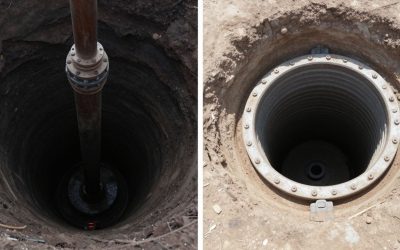
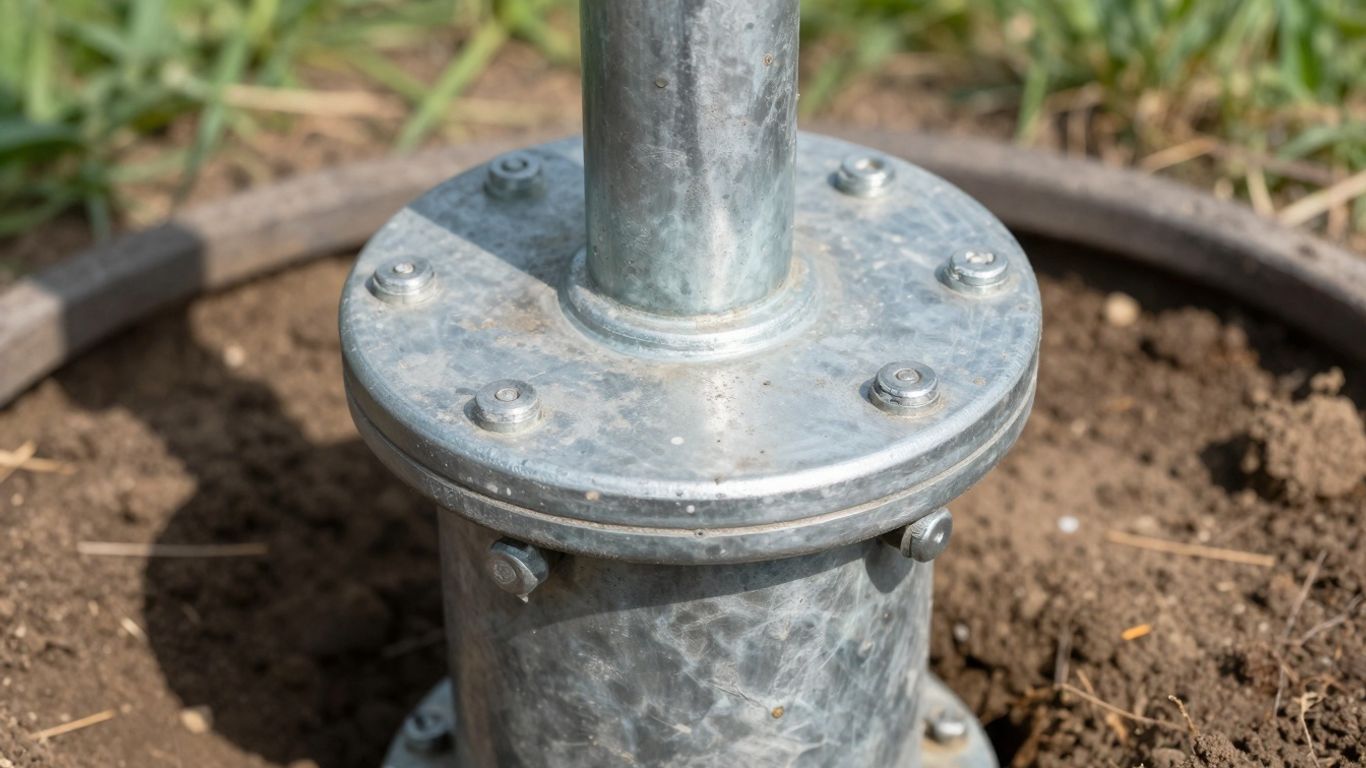
A well seal, sometimes called a sanitary seal, is a pretty important part of your water well. Think of it as the gatekeeper for your water supply. Its main job is to keep yucky stuff from the surface from getting into your well water. This seal is usually made from a mix of cement, bentonite clay, and sand, packed into the space between the well’s casing (the pipe going down) and the actual borehole wall. This creates a watertight barrier.
The Role of Well Seals in Public Health
This is where things get serious. A properly installed well seal is your first line of defense against waterborne illnesses. When you have a good seal, it stops surface water, which can carry all sorts of contaminants like bacteria, viruses, and chemicals, from seeping down into your groundwater. This is especially critical for private wells that aren’t regularly tested or treated like public water systems. It’s all about protecting the quality of the water you and your family drink every day.
Consequences of Inadequate Well Seals
So, what happens if the seal isn’t up to snuff? Well, it can lead to some pretty unpleasant situations. Surface water can find its way into your well, bringing along contaminants. This can mean dealing with things like E. coli or high nitrate levels in your water. Sometimes, even a seal that technically meets the minimum legal requirements might not be enough if the local geology is tricky, like having shallow fractures or areas where drilling was difficult. If a seal fails, you might end up needing expensive water treatment systems or, in the worst case, having to drill a whole new well. It’s definitely a case of "an ounce of prevention is worth a pound of cure."
Ignoring the condition of your well seal is like leaving your front door wide open to potential health hazards. It’s a simple component, but its impact on your water’s safety is huge.
Factors Influencing Well Seal Effectiveness
So, you’ve got a well, and you’re thinking about the seal. It’s not just a simple plug-and-play situation, you know? A lot of things can mess with how well that seal actually works to keep your water clean. It’s like trying to seal a leaky boat – you need the right materials, the right technique, and you gotta consider the conditions.
Geological Considerations for Proper Sealing
This is a big one. The ground around your well isn’t uniform. You might have layers of different rock, sand, or clay, and some of these layers might let water move through them more easily than others. If a well driller hits a spot where the rock is really fractured or a layer where drilling fluid just disappears (they call that ‘lost circulation’), that’s a potential pathway for surface gunk to get into your well. A seal that meets the minimum depth requirement might still be totally ineffective if it doesn’t account for these local geological quirks. Think of it like this: if you’ve got a crack in your foundation, just painting over it won’t stop water from getting in.
Regulatory Minimums vs. Practical Needs
Regulations are there for a reason, setting a baseline for what’s considered acceptable. But sometimes, those minimums just aren’t enough for your specific situation. A lot of water quality problems, especially with things like nitrates or E. coli, can be traced back to surface water getting in. This often happens because a seal was installed that technically met the rules but didn’t consider the actual ground conditions. It’s like having a speed limit of 60 mph on a road that’s actually pretty dangerous at anything over 40 mph. You might be following the law, but you’re still not being truly safe.
Impact of Well Age and Construction
Older wells, especially those put in decades ago, might have been built with materials or methods that just don’t hold up to today’s standards. The casing, which is the pipe that lines the well, can rust or crack over time, particularly below ground. This creates another entry point for contaminants from things like old septic systems or fuel tanks nearby. Even if the original seal was good, time and the elements can take their toll. Plus, how the well was originally constructed – the depth, the diameter, the type of casing used – all play a role in how effective a seal can be and how it might need to be maintained or replaced over the years.
Sometimes, what seems like a simple fix can turn into a bigger project. It’s easy to think a well seal is just a standard part, but the ground it’s in, the rules it has to follow, and how old the whole setup is all matter. Ignoring these factors can lead to headaches down the road, and nobody wants that when it comes to their drinking water.
Identifying and Addressing Well Seal Issues
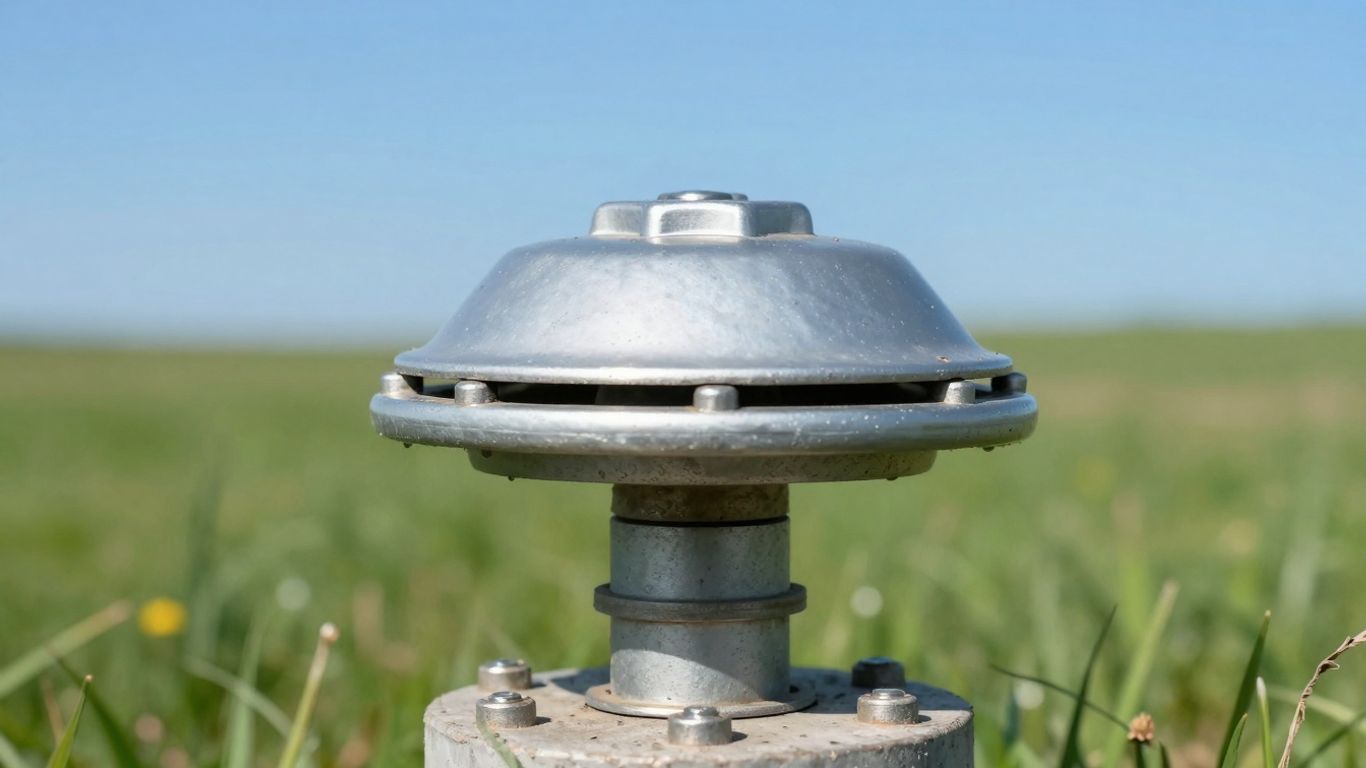
Sometimes, even with a well seal that seems okay on paper, problems can pop up. It’s not always obvious, but there are signs you can look for that might mean your well’s protection isn’t as solid as it should be. Think of it like a tiny crack in your foundation – it might not seem like much, but it can lead to bigger headaches down the road.
Signs of Surface Water Intrusion
Surface water getting into your well is a big no-no for water quality. This can happen if the seal isn’t doing its job properly, especially after heavy rains or flooding. You might notice changes in your water’s taste or smell, or maybe it looks cloudy when it never used to. Sometimes, bacteria like E. coli can show up, which is a serious health concern. These issues often point to a breakdown in the well’s defenses, allowing unwanted stuff from the surface to sneak in.
The Importance of Well Records and Site Assessments
When you’re trying to figure out what’s going on with your well seal, digging into old records is super helpful. These documents, often called well logs, tell you how the well was built, what kind of ground it went through, and where water was found. This information is key to understanding if the original seal was put in correctly for the specific ground conditions. A site assessment, where someone actually goes and looks at the well and its surroundings, adds another layer of understanding. It helps spot things that records might miss, like changes to the land over time or visible damage to the wellhead.
Here’s what you might find in well records:
- The well’s depth and diameter.
- Details about the soil and rock layers encountered.
- Where groundwater was first found.
- The static water level.
- Any notes on water quality (like if it tasted salty or had a funny smell).
- Information on the materials used for the casing and screen.
When to Seek Professional Assistance
If you’re seeing any of the warning signs or if you’re just not sure about your well’s condition, it’s probably time to call in the pros. Trying to fix well seal issues yourself can sometimes make things worse, especially if you don’t have the right tools or knowledge. Professionals have the experience to properly assess the situation, figure out the best fix, and make sure it’s done right. They can also help you understand if your well needs more than just a seal repair, like a complete overhaul or even decommissioning if it’s beyond saving.
Dealing with well seal problems can feel overwhelming, but remember that early detection and professional help are your best bets for keeping your water safe and your well functioning properly. Don’t wait until there’s a major contamination issue; a little proactive attention can save a lot of trouble later on.
The Well Sealing and Decommissioning Process
When to Consider Well Decommissioning
So, you’ve got a well that’s just sitting there, not being used. Maybe it’s an old farm well, or a backup that you never really needed. If a well hasn’t been used for a year or more, it’s probably time to think about sealing it up. Leaving an old well open can be a real problem. It’s like an express lane for all sorts of gunk from the surface to get right down into your groundwater. Think about heavy rains, melting snow, or even just accidental spills – that stuff can bypass the natural filtering of the soil and head straight for the aquifer. Plus, an open well is a safety hazard, plain and simple. Kids, pets, even wildlife could fall in. It’s just not worth the risk.
Key Steps in Plugging and Sealing a Well
Decommissioning a well isn’t a one-size-fits-all job; the exact steps can depend on the type of well and local rules. But generally, the goal is to fill and seal it so water and contaminants can’t move up or down the well column. Here’s a look at what’s typically involved:
- Initial Assessment: Before you do anything, you need to gather information. This means digging up any old well records you can find – from previous owners, the original driller, or even local government offices. These records tell you about the well’s depth, diameter, what kind of ground it went through, and where the water was found. A site visit is also key to see the well’s current condition.
- Clean Out the Well: The well needs to be clear all the way to the bottom. Any equipment, debris, or collapsed casing needs to be removed. Sometimes, the well needs to be disinfected with a chlorine solution and flushed out.
- Remove Unnecessary Structures: If the well head is in a pump house or covered by a concrete slab, these usually need to be removed. It’s best to do this early in the process.
- Plugging and Sealing: This is the main event. The well is filled with appropriate materials. A common method involves placing a layer of bentonite (chips, pellets, or powder) to create a seal, especially in the upper sections. The rest of the well is then filled with other suitable materials up to the ground surface.
- Surface Completion: The final step is to seal the top 2 meters (about 6.6 feet) of the well opening. This is done to prevent any accidental or unauthorized access. The area around the well should also be stabilized to blend in with the surroundings.
- Documentation: After everything is done, a well record needs to be completed and submitted, and the well owner should be given all the important information about the work that was performed.
Materials Used for Effective Well Sealing
Choosing the right materials is super important for making sure the seal actually works. You can’t just use any old dirt or gravel. Water moves too easily through sand and gravel, so they aren’t good for sealing. Bentonite grout is a popular choice because it swells when it gets wet, creating a really effective barrier against water movement. Cement or concrete are also used, especially for sealing off specific sections or the very top of the well. The key is to use materials that are impervious and will prevent any unwanted water from getting in or out of the aquifer through the well.
Provincial and Territorial Well Sealing Regulations
So, you’ve got a well, and you’re thinking about sealing it up, maybe for good. It’s not quite as simple as just filling it with dirt, you know? Each province and territory here in Canada has its own set of rules about how this needs to be done. These aren’t just suggestions; they’re there to make sure old wells don’t become a highway for nasty stuff to get into our groundwater. It’s all about protecting our water supply.
Navigating Different Regulatory Requirements
Think of it like this: if you’re building a fence, there are local bylaws about how high it can be and where it can go. Well sealing is kind of like that, but for underground. The rules can change quite a bit depending on where you are. Some places might have stricter rules about the depth of the seal or the materials you can use. For example, a minimum seal depth might be required, but that minimum might not be enough if the ground around your well is particularly leaky or fractured. It’s not just about meeting a number; it’s about making sure the seal actually works for your specific well and location.
Resources for Technical Guidance
Don’t worry, you’re not expected to be a well-sealing expert overnight. Each province and territory has a government agency that can help you figure out the specifics. They’re the ones who know the local regulations inside and out and can give you advice on the best way to plug and seal your well. It’s a good idea to reach out to them early on. They can point you to the right documents and sometimes even offer direct advice.
Here are a few examples of where you might look:
- British Columbia: Look for information on Groundwater Wells.
- Ontario: The Ministry of the Environment usually has resources related to Water.
- Saskatchewan: The Water Security Agency is your go-to.
It’s worth checking your specific provincial or territorial government website for the exact department and contact information.
Preparing for Well Sealing Assessments
Before you even call up the experts, doing a little homework yourself can make things go a lot smoother. Try to gather as much information about your well as you can. This might include:
- Measuring the well’s depth and diameter, and the casing if there is one.
- Noting if the well has ever been changed or repaired.
- Figuring out the typical water level and if it has ever overflowed.
- Checking for any junk inside, like old pumps or pipes.
- Seeing if there’s any record of contamination.
- Looking for any old well records or asking neighbors if they remember anything.
Having this info ready will help the technical folks assess your situation much faster and more accurately. It’s like going to the doctor with a list of your symptoms – it helps them help you.
Preventing Contamination Through Proper Well Management
Keeping your well water clean isn’t just about the seal itself; it’s a whole system approach. Think of it like maintaining your car – you need to do more than just check the tires. Good well management means being aware of what’s happening around your well and taking steps to keep unwanted stuff out. Regular checks and smart practices are your best defense against contamination.
The Link Between Well Seals and Water Quality
Your well seal is the first line of defense, but it’s not the only one. Even with a solid seal, things can go wrong if the area around your wellhead isn’t managed properly. Surface water, especially after heavy rain or snowmelt, can carry all sorts of contaminants like pesticides, fertilizers, animal waste, or even oil and gas if stored nearby. If these can pool around the wellhead or seep down the casing because of a faulty seal or poor grading, they can eventually reach your water. It’s all about creating barriers and minimizing pathways for trouble.
Proactive Maintenance for Well Longevity
Taking care of your well means staying ahead of potential problems. This involves a few key actions:
- Regular Inspections: Periodically check the wellhead for any cracks, damage, or signs of water pooling. Look at the ground around the well – is it sloped away from the casing? This simple grading can make a big difference.
- Proper Storage: Keep chemicals, fuels, and any potential pollutants stored well away from your well. Use leak-proof containers and follow disposal guidelines for anything you don’t need.
- Septic System Care: If you have a septic system, make sure it’s functioning correctly and is located at a safe distance from your well, following all local regulations.
- Address Issues Promptly: If you notice any changes in your water’s taste, smell, or appearance, or if you find any damage to the well components, don’t wait. Get it checked out.
Safeguarding Against Common Contaminants
Beyond the physical seal, think about the activities happening on your property. Things like washing vehicles, mixing chemicals, or even running irrigation systems can create opportunities for contamination if not managed carefully. Preventing backflow, where contaminated water could be pulled back into your well system, is also important. This often involves ensuring your plumbing has proper check valves and that any connections to the well water supply are protected.
Managing your well is an ongoing responsibility. It requires a bit of vigilance and a commitment to best practices. By understanding the potential risks and taking consistent steps to maintain your well and its surroundings, you significantly reduce the chances of contaminating your own water supply. It’s about being a good steward of your water source.
Here’s a quick look at common contaminants and how to keep them away:
| Contaminant Type | Potential Source | Prevention Strategy |
|---|---|---|
| Agricultural Chemicals | Fertilizers, pesticides, herbicides | Store and mix away from well; avoid application near wellhead; maintain proper setback distances. |
| Household Chemicals | Cleaners, solvents, paints | Store securely in leak-proof containers away from well; dispose of properly through designated recycling programs. |
| Fuels and Oils | Gasoline, motor oil, kerosene | Store in approved, sealed containers far from well; clean up spills immediately; use designated disposal services. |
| Animal Waste | Manure piles, livestock pens, pet waste | Maintain adequate distance; manage waste properly; prevent runoff from reaching the well area. |
| Septic System Effluent | Leaking or improperly functioning septic tanks/fields | Ensure proper installation and maintenance; adhere to setback distances; monitor for signs of failure. |
Wrapping Up: Your Well’s Seal Matters
So, we’ve talked a lot about well seals and why they’re a big deal for keeping your water clean. It’s not just about following rules; it’s about protecting your health. Whether you’re dealing with an old well that needs sealing up or making sure a new one is done right, paying attention to that seal is super important. Sometimes, even seals that meet the minimum standards aren’t enough, especially depending on the ground conditions. If you’re unsure about your well, it’s always a good idea to get some expert advice. A properly sealed well can save you a lot of headaches and money down the road, and most importantly, it keeps your drinking water safe.
Frequently Asked Questions
What exactly is a well seal and why is it important for my drinking water?
A well seal, also called a sanitary seal, is like a protective barrier around the top part of your well. It’s usually made from a mix of cement, bentonite clay, and sand, packed tightly between the well’s pipe (casing) and the ground. Its main job is to stop dirty water and other yucky stuff from the surface, like rain runoff or chemicals, from getting into your clean well water. Think of it as a waterproof cap that keeps your water safe and clean.
Can a well seal that meets the minimum rules still cause problems?
Yes, sometimes! While regulations set a minimum depth for seals, the ground itself can be tricky. In places with lots of cracks in the rock or where water flows easily through the soil, a standard seal might not be enough. Surface water, carrying things like nitrates or bacteria, can still find a way in through these natural pathways, even if the seal technically meets the basic requirements. It’s like having a fence that’s tall enough but has holes in it – things can still get through.
What are the signs that my well seal might not be working right?
You might notice changes in your water’s taste or smell, or if it starts looking cloudy or discolored. Sometimes, if surface water is getting in, you could find bacteria like E. coli or higher levels of nitrates. Another clue is if your well is old and the metal pipe (casing) is rusting, which can create gaps for contaminants to sneak in from nearby sources like septic tanks or farm areas.
My well is old. Do I need to worry about its seal?
Definitely. Older wells weren’t always built with the same sealing standards we have today. The metal pipes can rust and break down over time, creating openings for contaminants to enter. If a well has been sitting unused for a while, it’s especially important to check its seal because it can become a direct path for pollution to reach the groundwater. It’s often best to seal off old, unused wells to protect water quality.
What happens when a well needs to be sealed or ‘decommissioned’?
Sealing a well, also called decommissioning, means properly filling it up to prevent it from becoming a pathway for contamination. This usually involves cleaning out any junk, like old pumps, and then filling the well with materials like cement grout or bentonite clay. The goal is to make sure no water or contaminants can move up or down the well shaft and spread into the surrounding groundwater. It’s a process done to protect public health.
Who can help me if I think there’s a problem with my well seal or need to seal an old well?
Your best bet is to contact your provincial or territorial government agency that handles water resources or the environment. They have specific rules for well sealing in your area and can provide technical advice. You might also need to hire a professional well driller or contractor who has experience with well sealing and decommissioning. They know the right techniques and materials to use to get the job done safely and effectively.