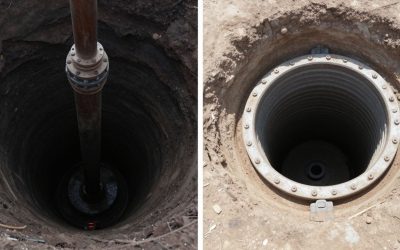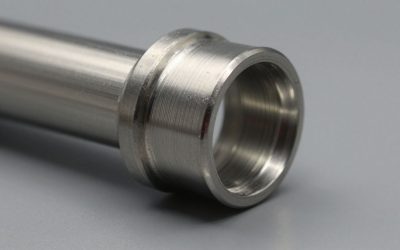
You know, our wells are like the main water source for many homes, especially out in the country. And just like you’d want to keep your house safe from the outside world, we need to protect our wells. That’s where “Well Seals The First Line of Defense Against Pollutants” comes in. It’s all about making sure nothing nasty gets into our water supply. Think of it as the first barrier, the one that stops trouble before it even gets close. We’ll look at why they’re so important, what kinds are out there, and how to make sure they’re doing their job right.
Key Takeaways
- Well seals are the primary barrier stopping pollution from reaching your water supply.
- Different types of seals, like bentonite, cement, and mechanical, suit various well needs.
- Putting a seal in correctly is super important; good prep and careful application matter a lot.
- Over time, seals can break down or get damaged, so keeping an eye on them is a must.
- Following rules and getting pros to do the work helps make sure your well is protected properly.
Understanding The Critical Role Of Well Seals
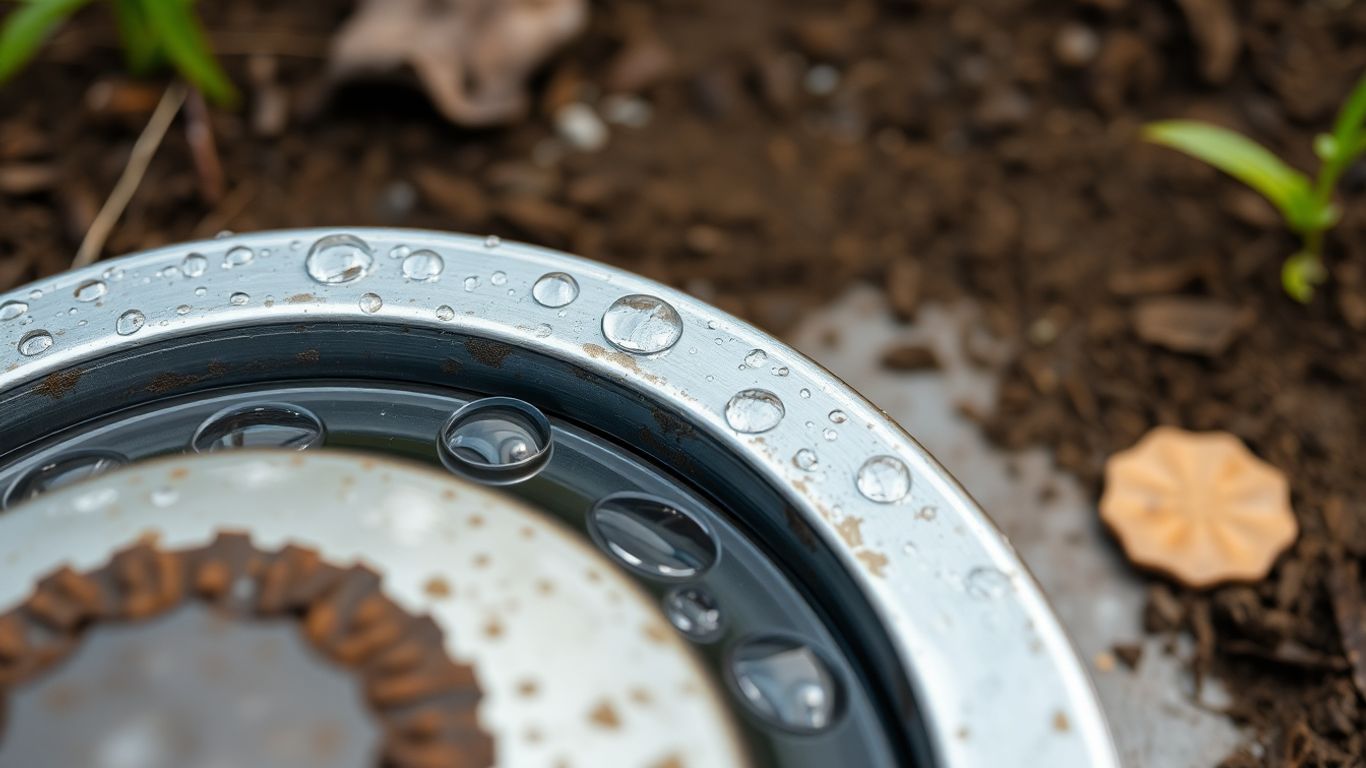
Okay, so let’s talk about well seals. You might not think much about them, but they’re actually super important. Think of them as the first line of defense for your water. Without a good seal, all sorts of nasty stuff from the surface can get into your well, and nobody wants that.
Preventing Surface Contamination Intrusion
This is probably the most obvious job of a well seal. Rainwater, runoff, chemicals from your yard – all that can carry pollutants. The seal acts like a plug, stopping these things from getting down the side of the well casing and into the water supply. It’s all about keeping the bad stuff out before it even gets a chance to mix with your clean water. This barrier is key to preventing surface contamination.
Maintaining Groundwater Purity
Beyond just stopping surface gunk, well seals help keep the groundwater itself pure. They create a barrier that prevents water from different underground layers from mixing. Sometimes, shallower groundwater can be more prone to contamination than deeper sources. The seal helps ensure that the water you’re drawing is from the intended, cleaner aquifer.
Protecting Aquifer Integrity
Aquifers are basically underground pockets of water. When we drill a well, we’re tapping into one of these. A proper well seal helps protect the aquifer from being compromised. It stops contaminants from migrating from one part of the aquifer to another, or from entering the aquifer from the surface through the well itself. This is really about long-term water security for everyone.
A well seal isn’t just a simple plug; it’s a carefully designed component that works with the well’s structure to maintain a clean water source. It’s a bit like putting a lid on a jar – simple, but it keeps what’s inside fresh and protected from the outside world.
Types Of Well Seals And Their Applications
So, you’ve got a well, and you need to keep it clean. That’s where well seals come in. They’re not all the same, though. Different situations call for different types of seals, and knowing which one to use is pretty important.
Bentonite Seals For Natural Protection
Bentonite is a type of clay, and when it gets wet, it swells up. This makes it a really good natural barrier. It’s often used in areas where you want a reliable, low-maintenance seal. Think of it like a natural plug that expands to fill any gaps. This swelling action is key to its effectiveness. It’s a common choice for many standard wells because it’s relatively inexpensive and works well in a lot of soil types. You’ll often see it used in conjunction with other sealing methods for added security. It’s a pretty neat natural material when you think about it.
Cementitious Seals For Durability
When you need something tough and long-lasting, cement is often the go-to. Cementitious seals, usually a mix of cement, water, and sometimes additives, create a very solid barrier. They’re great for wells that might experience a lot of stress or need a seal that can stand up to harsh conditions over many years. This type of seal is known for its strength and resistance to chemicals. It’s a good option for deeper wells or those in areas with challenging geology. Getting the mix right is important, though, to avoid cracking later on. You can find more about seal design in general from resources like Parker’s guide.
Mechanical Seals For Specialized Needs
Sometimes, you run into situations that aren’t so standard. That’s where mechanical seals come into play. These are often pre-fabricated units designed for specific well constructions or challenging environments. They might involve rubber packers, expanding elements, or other engineered solutions. They can be quicker to install in some cases, which is a big plus if you’re on a tight schedule. They’re also useful when you need a seal that can be adjusted or removed later, which isn’t really an option with bentonite or cement. These seals are all about precision and fitting a particular need.
Choosing the right seal depends on a lot of factors, including the type of well, the surrounding soil, and how deep the water table is. It’s not a one-size-fits-all deal.
Here’s a quick rundown of what to consider:
- Well Depth: Deeper wells might need stronger or more specialized seals.
- Soil Type: Some soils are more stable than others, affecting how well a seal holds.
- Environmental Factors: Are there chemicals nearby? Is the ground prone to shifting?
- Budget: Different seal types have different costs associated with them.
Installation Best Practices For Effective Well Sealing
Getting the well seal right from the start is super important. It’s not just about slapping some material around the casing; there’s a bit more to it if you want it to actually work and keep your water clean.
Proper Site Preparation
Before you even think about putting in the seal, you’ve got to get the area ready. This means clearing away any loose dirt, rocks, or debris that could get in the way or compromise the seal later on. You want a clean, stable surface to work with. Think of it like prepping a wall before you paint it – you wouldn’t just slap paint over a bunch of cobwebs, right? The same idea applies here. Make sure the ground around the wellhead is firm and won’t shift.
Correct Sealant Application Techniques
How you put the sealant in matters a lot. Different types of seals need different methods. For bentonite, for example, you might be adding pellets or powder and then hydrating it. Cementitious seals usually involve mixing and pouring or pumping. The goal is to create a continuous barrier without any gaps or voids. This often means working methodically, ensuring the material fills the space completely around the well casing and extends down to the required depth. It’s about building that solid, impermeable layer.
Post-Installation Inspection And Verification
Once the seal is in place, don’t just walk away. You need to check your work. This could involve visual checks to see if the seal looks uniform and properly seated. Sometimes, depending on the type of seal and local rules, you might need to do a pressure test or other checks to confirm it’s doing its job. This step is your final chance to catch any issues before they become bigger problems down the road. It’s that quality control moment.
A well-sealed well is a protected well. Skipping steps or rushing the process here can lead to headaches later, like having to deal with contaminated water or expensive repairs. Taking the time to do it right the first time saves a lot of trouble.
Common Threats To Well Seal Effectiveness
Even the best-installed well seal isn’t invincible. Over time, things can happen that compromise its ability to keep your water clean. It’s not just about putting it in and forgetting about it; you’ve got to keep an eye on it.
Environmental Degradation Over Time
Think about it – that seal is constantly exposed to the elements. Rain, freeze-thaw cycles, soil movement, and even just the slow creep of time can start to break it down. Bentonite, for example, can swell and shrink with moisture changes, and cement can develop tiny cracks. These aren’t usually big, obvious problems at first, but they create little pathways. These subtle changes are often the first sign that a seal is starting to lose its grip. It’s like anything else exposed to the weather; it just wears out.
Physical Damage And Wear
Sometimes, it’s not the weather but something more direct. Heavy equipment operating near the wellhead can cause vibrations or even direct impact. Rodents or other burrowing animals might try to dig around the seal. Even just repeated use of the well cap or pump can put stress on the seal area. These kinds of impacts can create larger cracks or dislodge the seal material, opening up a more direct route for contaminants.
Improper Initial Installation
This is a big one, and honestly, it’s often the root cause of later problems. If the seal wasn’t put in right from the start, it’s basically set up for failure. This could mean:
- Not cleaning the well casing properly before applying the sealant.
- Using the wrong type of material for the specific soil or water conditions.
- Not applying enough sealant or not getting a good, continuous bond.
- Failing to let the sealant cure properly before putting the well back into service.
A poorly installed seal might look okay for a while, but it’s like building a house on a shaky foundation. Eventually, something’s going to give, and it’s usually when you least expect it. It’s worth the extra effort upfront to get it done right.
These issues mean that even from day one, the seal isn’t doing its job as well as it should, making it more susceptible to all the other threats out there.
Maintaining Well Seals For Long-Term Protection
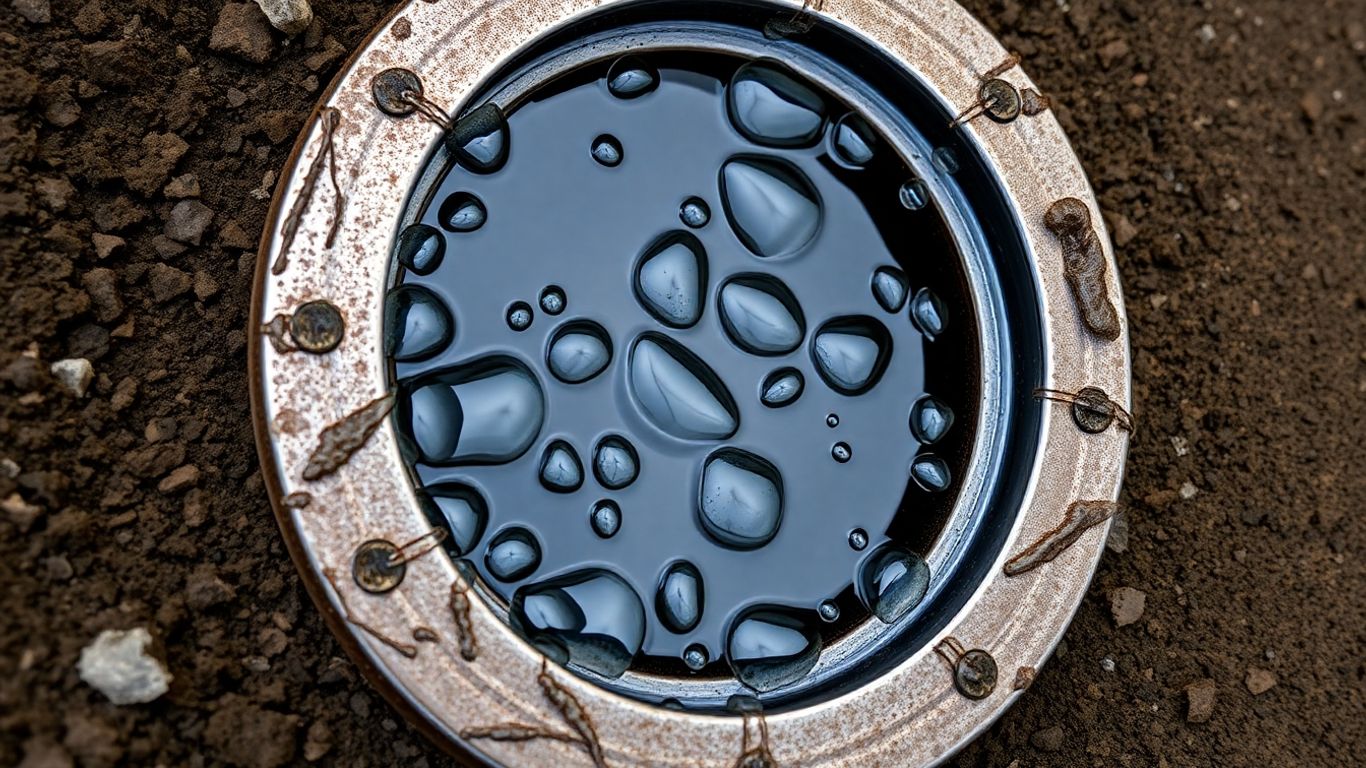
So, you’ve got a well, and you’ve made sure it’s sealed up tight. That’s great! But here’s the thing: a well seal isn’t a ‘set it and forget it’ kind of deal. It needs a little attention now and then to keep doing its job. Think of it like your car – you wouldn’t just drive it forever without oil changes or checking the tires, right? Your well seal is kind of the same. Regular check-ups are key to making sure it keeps that groundwater clean and safe.
Regular Inspection Schedules
How often should you be looking at your well seal? It really depends on a few things, like where you live and what the weather’s been like. But generally, a good rule of thumb is to give it a look-over at least once a year. Some folks like to do it in the spring after the snow melts or in the fall before it freezes. What are you looking for?
- Cracks or gaps around the wellhead.
- Any signs of settling or shifting.
- Evidence of water pooling or erosion near the seal.
- Damage from animals or equipment.
Timely Repairs And Replacements
If you spot something that doesn’t look right during your inspection, don’t just ignore it. Small problems can turn into big ones pretty fast. If you see a little crack, it might just need a bit of sealant. If a section has really broken down or is damaged, you might need to replace it. It’s better to fix it when it’s a minor issue than wait until contaminants start seeping in. That’s where the real trouble starts.
Sometimes, you might think a small issue is no big deal. Maybe a little bit of mud washed into a tiny gap. But that tiny gap can get bigger with freeze-thaw cycles or heavy rain. And what might seem like just dirt could actually be carrying all sorts of nasty stuff from the surface. So, even minor wear and tear should be addressed.
Monitoring Water Quality Trends
Beyond just looking at the seal itself, keep an eye on your water. If you start noticing changes in how it tastes, smells, or looks, that could be a sign that something’s up with your well system, including the seal. It’s a good idea to get your water tested periodically anyway, but if you see a sudden change, get it tested right away. This is your early warning system.
- Test your water annually for common contaminants.
- If you notice changes in taste, odor, or clarity, test immediately.
- Keep records of your test results to spot trends over time.
Regulatory Standards For Well Sealing
Compliance With Local Regulations
When you’re dealing with wells, there are rules. Lots of them. These aren’t just suggestions; they’re laws designed to keep our water safe. Every region, and sometimes even specific counties, has its own set of regulations for how wells should be built and sealed. It’s like a recipe – you have to follow the steps precisely. Ignoring these rules can lead to big problems, not just for you but for everyone who relies on the same water source. It’s really about protecting the groundwater from anything nasty that might seep in from the surface. Think of it as a neighborhood watch for your water supply.
Understanding Permitting Requirements
Before you even think about digging or sealing a well, you usually need a permit. This permit is basically permission from your local authorities to do the work. It means you’ve shown them your plans, and they’ve checked that you’re following the established guidelines. The permitting process often involves submitting detailed plans about the well’s location, depth, and, importantly, the sealing methods you intend to use. They want to make sure you’re not going to accidentally contaminate anything. It’s a way for them to keep track of what’s happening underground and to make sure everything is done right from the start. Skipping this step is a surefire way to get into trouble later.
The Importance Of Certified Installers
Sometimes, the regulations specifically state that only certified individuals can install or repair wells, especially the sealing part. These aren’t just random folks; they’ve gone through training and passed tests to prove they know what they’re doing. They understand the materials, the techniques, and the regulations inside and out. Using a certified installer gives you peace of mind that the job is being done correctly and legally. It’s an investment in the long-term health of your well and your water. Plus, if something goes wrong down the line, having a certified professional handle it can make a big difference.
The goal of all these regulations and requirements is pretty straightforward: to prevent pollution. Surface water, chemicals, or anything else that shouldn’t be in our drinking water can easily find its way down a poorly sealed well. Regulations are the guardrails that keep this from happening, protecting both individual wells and larger groundwater systems.
Wrapping It Up
So, when you think about keeping our water clean, don’t forget about the humble well seal. It might not be the most exciting part of a well system, but it’s doing some really important work. It’s like the gatekeeper, stopping bad stuff from getting in and good water from getting out. Making sure those seals are in good shape is a simple step, but it makes a big difference for everyone. It’s just one of those things that keeps our environment safer, plain and simple.
Frequently Asked Questions
Why are well seals so important for keeping our water clean?
Think of well seals as the gatekeepers for your water. They’re the very first thing stopping yucky stuff from the surface, like oil spills or animal waste, from getting into your well and messing up the clean groundwater below. Without a good seal, all sorts of unwanted things can sneak in, making the water unsafe to drink.
What happens if a well seal breaks or wears out?
If a well seal isn’t doing its job anymore, it’s like leaving the gate open. Pollutants from the ground above can easily travel down the well casing and contaminate the water source. This can make your drinking water unhealthy and can be a real headache to fix later on.
Are there different kinds of well seals, and do they all work the same?
Nope, they’re not all the same! Some seals use natural clay, like bentonite, which swells up to create a tight barrier. Others use cement, which hardens and provides a strong, long-lasting seal. Then there are special mechanical seals for situations where the others might not work as well. Each type is chosen based on what the well needs.
How do people make sure a well seal is put in correctly?
Putting in a well seal isn’t a job for just anyone. It’s super important to prepare the area around the well first, making sure it’s clean and ready. Then, the sealant material has to be put in using the right methods, making sure there are no gaps. After it’s done, experts check everything to be sure it’s sealed up tight and working perfectly.
Can well seals get damaged over time, and how do we prevent that?
Yeah, seals can get worn out or damaged over the years. Things like the ground shifting, extreme weather, or even just normal wear and tear can weaken them. To keep them working well, it’s smart to check them regularly and fix any small problems right away before they become big issues. Keeping an eye on your water quality is also a good clue if something’s wrong.
Are there rules about how wells should be sealed?
Absolutely! Most places have rules and guidelines to make sure wells are sealed properly to protect our water. These rules cover the types of materials you can use and how they need to be installed. It’s often required to use certified professionals who know all the ins and outs of these regulations to ensure everything is done by the book.