You know, that water we drink every day? It has to be safe, right? And a lot of that safety comes down to the little things, like the seals in our water systems. It might not sound exciting, but these seals are basically the gatekeepers, stopping bad stuff from getting into our water. When they’re certified, it means they’ve been checked out and proven to do their job right. This article is all about why picking certified seals is such a big deal for keeping our water safe and clean.
Key Takeaways
- Using certified well seals is vital because they act as a barrier, preventing harmful contaminants from entering your water supply.
- Non-certified seals can lead to serious problems like material leaching, bacterial growth, and system failures, putting water safety at risk.
- Certifications from bodies like WRAS and ISO confirm that seals meet strict standards for safety, performance, and material integrity.
- Always check that seals are certified and made from materials approved for drinking water contact to avoid contamination.
- Choosing certified seals and implementing them correctly protects public health and maintains the reputation of water service providers.
Understanding The Importance Of Certified Well Seals
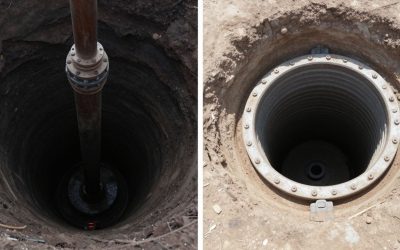
When it comes to keeping our water safe, especially from wells, the little things really matter. And one of those small but mighty components is the well seal. Think of it as the gatekeeper for your water source. Its main job is to stop anything nasty from getting into your well water. This isn’t just about keeping dirt out; it’s about preventing a whole host of potential problems that could affect your health.
Preventing Contamination Through Effective Sealing
A well seal is basically a barrier. It sits right at the top of the well casing, where the pipe comes out of the ground. If this seal isn’t doing its job properly, it’s like leaving the door wide open for trouble. Rainwater can wash all sorts of things down into the well – pesticides from a nearby field, animal waste, or even chemicals from a leaky septic system. A good seal physically blocks these contaminants from entering the well. It’s a simple concept, but incredibly effective when done right. Without a solid seal, your well water is constantly at risk.
The Role Of Seals In Maintaining Water Purity
Beyond just keeping the big stuff out, seals play a role in keeping the water pure. This means preventing smaller, less obvious contaminants from sneaking in. It also helps stop gases from escaping or entering the well, which can affect water quality. A properly installed and maintained seal contributes to the overall health of your water system. It’s a key part of a multi-layered approach to water safety, working alongside filtration and regular testing.
Historical Evolution And Key Challenges In Seal Technology
Seal technology hasn’t always been what it is today. Early wells might have used less sophisticated methods, leading to more frequent contamination issues. Over time, materials and designs have improved. We’ve learned a lot about what works and what doesn’t. For instance, early seals might have degraded quickly when exposed to different soil conditions or water chemistries. The challenge has always been to create a seal that is durable, flexible enough to conform to imperfect surfaces, and resistant to the environment it’s placed in. Finding materials that are safe for drinking water and last for years is a big part of that ongoing challenge. It’s a constant effort to balance effectiveness with longevity and safety.
Risks Associated With Non-Certified Well Seals
Using well seals that haven’t gone through the proper certification process can really open the door to a whole host of problems. It’s not just about a seal not fitting perfectly; it’s about what those substandard materials or designs can actually do to your water. Think of it as a weak link in a chain – one bad seal can compromise the entire system.
Material Leaching And Harmful Substance Introduction
One of the biggest worries with non-certified seals is the stuff they’re made of. Without strict testing, manufacturers might use materials that aren’t meant for contact with drinking water. These can break down over time, releasing nasty chemicals or heavy metals like lead right into your water supply. This is a direct route for harmful substances to enter your home or community’s drinking water. It’s a silent threat, as you often can’t see, smell, or taste these contaminants, but they can have serious health effects if you’re exposed to them long-term.
Encouraging Microbial Growth And Biofilm Formation
Certified seals are designed with smooth, non-porous surfaces that bacteria have a hard time clinging to. Non-certified seals, on the other hand, might have rough textures or coatings that are perfect breeding grounds for microbes. These bacteria can multiply, forming slimy layers called biofilms. Biofilms aren’t just gross; they can protect bacteria from disinfectants and even corrode the well components themselves, leading to further contamination and potential system failures.
Compromised Seal Integrity Leading To Contaminant Ingress
Let’s face it, seals are there to create a barrier. When a seal isn’t certified, there’s no guarantee it will hold up under the conditions it’s exposed to. They might degrade faster due to temperature fluctuations, pressure changes, or even just the natural chemistry of the water. This degradation means the seal can crack, shrink, or lose its elasticity, creating tiny gaps. These gaps are like an open invitation for surface water, soil contaminants, or even animal waste to seep into your well water.
Increased Chance Of Contamination From Backflow Events
Sometimes, the direction of water flow in a system can reverse, a phenomenon known as backflow. This can happen due to pressure drops or other system anomalies. If your well seal isn’t designed and tested to prevent this, it can allow contaminated water from lower parts of the system or even the surrounding environment to be sucked back into your clean water supply. Non-certified seals often lack the robust design features needed to withstand these pressure changes and maintain a secure barrier during a backflow event, significantly increasing the risk of a widespread contamination issue.
The seemingly small detail of a well seal can have outsized consequences for water safety. Choosing uncertified options is essentially rolling the dice with public health, risking everything from material contamination to widespread microbial outbreaks.
Benefits Of Choosing Certified Well Seals
So, why bother with certified well seals? It really comes down to peace of mind and actual, reliable performance. When you opt for seals that have gone through the official checks, you’re getting a product that’s been vetted for safety and quality. This isn’t just about meeting a minimum standard; it’s about having confidence that the seal will do its job, day in and day out, without introducing new problems.
Ensuring Material Safety And Preventing Harmful Leaching
One of the biggest wins with certified seals is knowing what they’re made of. The certification process specifically looks at the materials used, especially those that come into contact with your water. This means they’ve been tested to make sure they won’t leach nasty chemicals or compounds into your drinking water. Think about it – you’re trying to keep contaminants out, not add new ones from the seal itself. Certified materials are chosen because they’re inert and won’t react with water, which is a huge relief.
- No harmful chemical leaching: Certified seals are made from materials proven not to release toxins.
- Reduced risk of taste and odor issues: Unlike some uncertified materials, certified ones won’t impart unwanted flavors or smells.
- Long-term material stability: They are designed to withstand water conditions without degrading and releasing particles.
Choosing certified seals means you’re investing in a barrier that actively protects your water quality, rather than potentially compromising it.
Guaranteeing Performance Under Required Conditions
Certification isn’t just a rubber stamp; it means the seal has been tested to perform under specific, often demanding, conditions. This could include pressure, temperature fluctuations, and exposure to different water chemistries. A certified seal is built to last and function as intended throughout its lifespan, not just for a short while before it starts to fail. This reliability is key for any water system where consistent performance is non-negotiable.
- Pressure resistance: Certified seals are tested to hold up under expected system pressures.
- Temperature stability: They can handle the temperature variations common in water systems.
- Chemical inertness: Materials are selected to resist degradation from common water treatment chemicals or natural water properties.
Maintaining Sensory Neutrality For Taste And Odor
This is a big one for anyone who drinks the water. Uncertified seals, often made with cheaper or less suitable materials, can break down over time and release compounds that affect the taste and smell of your water. It’s a common complaint in areas where older, non-certified components have been used. Certified seals, on the other hand, are specifically chosen and tested to be sensory neutral. They won’t add any off-flavors or unpleasant odors, so the water tastes and smells like clean water should. It’s a simple benefit, but one that directly impacts the user experience and confidence in the water supply.
Certification Standards And Their Significance
WRAS Certification As A Benchmark For Safety
When we talk about water safety, especially here in the UK, WRAS approval is a big deal. It means a product, like a well seal, has been checked out and meets strict standards for drinking water. They look at everything from the materials used to make sure nothing harmful leaches into the water, to how well it performs. Getting WRAS approval isn’t just a formality; it’s a clear signal that the seal is safe for use with water intended for human consumption. It gives you a lot of confidence that the seal won’t mess with your water’s taste or smell, or worse, introduce nasty chemicals.
ISO Certifications: A Foundation For Seal Quality
Beyond specific water regulations, there are international standards like ISO that manufacturers often follow. Think of ISO 9001 as a system for making sure a company consistently makes good products. It means they have processes in place to control quality from start to finish. For seals, this often ties into other ISO standards, like ISO 3601, which sets specific sizes and quality rules for things like O-rings. This is important because it means a seal made by one company should fit and work just like one from another, as long as they both meet the standard. It helps make sure seals are reliable and interchangeable, which is pretty handy.
- ISO 9001: Focuses on a company’s quality management system.
- ISO 3601: Defines dimensions and quality for O-rings.
- ISO/IEC 17025: For labs that test products, showing they know what they’re doing.
Navigating Global Regulatory Compliance For Seals
Different countries have their own rules about what materials can touch drinking water. This can get complicated when you’re dealing with seals that might be used all over the world. Certification bodies, whether it’s WRAS in the UK, NSF in the US, or others, provide a way to show that a seal meets the specific requirements of a particular region. For manufacturers, getting these certifications means they’ve done the homework and proven their seals are safe according to those rules. For us as consumers or specifiers, looking for these certifications simplifies things. It means we don’t have to be experts in every country’s regulations; we can trust that a certified seal has already passed those checks. It’s a way to make sure that what’s good for water safety in one place is likely to be good in another, provided the right certification is present.
Choosing certified seals means you’re relying on established testing and verification processes, rather than just hoping for the best. It’s about building trust through documented proof of safety and quality.
Best Practices For Seal Selection And Implementation
So, you’ve got your certified well seals picked out. That’s a big step, but honestly, just having them isn’t the whole story. You’ve got to put them in right and keep an eye on them to actually get the safety and compliance benefits you’re after. It’s like buying a really good lock – it doesn’t do much if you just leave the door unlocked.
Specifying Certification As A Non-Negotiable Requirement
When you’re looking for seals, make sure certification is the first thing you check. Don’t even bother looking at ones that don’t have it. It’s like asking for a car with airbags; you wouldn’t consider one without them, right? This simple step filters out a lot of potential problems right from the start. You want seals that have been tested and approved by recognized bodies. This means they’ve met certain standards for safety and performance, which is exactly what you need for your water system.
Confirming Wetted Materials Meet Drinking Water Regulations
This is a big one. The parts of the seal that actually touch your water need to be safe for drinking. It’s not enough for the seal itself to be certified; the specific materials used where water flows must also be approved. Think about it: you don’t want any weird chemicals leaching into your water supply from the seal. Always double-check that the materials used are on the approved lists for drinking water applications. This usually means looking for materials that are NSF/ANSI 61 certified or meet similar local standards.
Partnering With Experienced Manufacturers
Don’t go it alone. Find manufacturers who really know their stuff when it comes to seals for water systems. They’ll understand the regulations, the material science, and what works best in different situations. An experienced maker can guide you on the right type of seal, the best materials for your specific water conditions (like hardness or chemical content), and how to install them properly. They’re not just selling you a product; they’re offering a solution backed by knowledge.
Importance Of Material Selection For Water Filtration Seals
Choosing the right material for seals in water filtration is super important. It affects how well the seal works, how long it lasts, and if it plays nice with the water and any chemicals in your system. You need materials that can handle the job without breaking down or adding anything unwanted to the water.
Here’s a quick rundown of what to think about:
- Chemical Resistance: The seal material needs to hold up against whatever chemicals are in your water or used in the filtration process.
- Temperature Tolerance: Make sure the seal can handle the water temperature without getting too soft or brittle.
- Pressure Handling: It needs to stay sealed even when the water pressure changes.
- Longevity: You want a seal that lasts, so you don’t have to replace it too often.
Common materials you might see include EPDM (good for hot water), Viton (great for chemicals and heat), and Buna-N (a more budget-friendly option, but check its limits). Always confirm these materials meet drinking water standards.
Proper implementation is key. Even the best certified seal won’t protect your water if it’s installed incorrectly or if the materials touching the water aren’t safe for consumption. Diligence at every step matters.
The Link Between Certification And Long-Term Water Safety
Certification As The Starting Point Of Trust
Think of certification as the initial handshake, the first step in building confidence that your well seal is up to snuff. It’s not the whole story, but it’s a really important beginning. When a seal has a recognized certification, like WRAS or NSF/ANSI 61, it means it’s already passed some tough tests. These tests check that the materials used won’t leach anything nasty into your water and that the seal can actually do its job under normal conditions. Without this baseline assurance, you’re essentially guessing about the safety of your water source.
Correct Selection Ensures Consistent Performance
Now, certification alone isn’t a magic bullet. You still have to pick the right seal for your specific well. This means looking at things like the pressure your system operates at, the temperature, and even the local water chemistry. A seal that’s perfect for one well might not hold up so well in another. For example, using a seal rated for lower pressure in a high-pressure system is just asking for trouble down the road. It’s like buying a raincoat for a desert – it’s certified to keep you dry, but it’s the wrong tool for the job.
- Material Compatibility: Always double-check that the seal’s materials are approved for contact with your specific water type.
- Environmental Factors: Consider temperature fluctuations and potential chemical interactions.
- System Demands: Match the seal’s pressure and flow ratings to your well’s operational needs.
Protecting Public Health and Utility Reputation
Ultimately, this is all about keeping people healthy and safe. When you use certified and correctly selected well seals, you’re preventing contaminants from getting into the water supply. This means fewer health issues for the community and fewer headaches for the water utility. It also protects the utility’s reputation. Nobody wants to be known for having unsafe drinking water. A proactive approach, starting with certified seals, is a smart investment in both public well-being and the long-term standing of the water provider.
Choosing certified well seals isn’t just about meeting a regulation; it’s about building a reliable barrier that protects the water we drink every single day. It’s a commitment to quality that pays off in the long run, preventing costly problems and safeguarding community health.
The Bottom Line
So, when it comes to keeping our water safe, those little seals really do play a big part. Picking seals that have been certified, like those with WRAS approval, is the first step. But don’t stop there; make sure you’re choosing the right type of seal for the job, considering things like pressure and temperature. It might seem like a small detail, but using certified and correctly chosen seals protects everyone’s health, saves money on repairs down the road, and keeps your reputation clean. It’s a simple equation: certified plus the right fit equals safe water for the long haul. Let’s all make the smart choice and protect the water we depend on.
Frequently Asked Questions
What is a well seal and why is it important?
A well seal is like a cap for your water well. Its main job is to keep yucky stuff from getting into your clean water supply. Think of it as a gatekeeper, stopping dirt, bugs, and other unwanted things from entering the well and making your water unsafe to drink.
What happens if a well seal isn’t certified?
If a well seal isn’t certified, it might not be made from safe materials. These materials could release harmful chemicals into your water, like lead. Also, non-certified seals might not fit perfectly, allowing bacteria to grow or contaminants to sneak in, which is a big health risk.
How does a certified well seal keep water safe?
Certified seals are tested to make sure they are made of safe materials that won’t add any bad stuff to your water. They are designed to fit snugly and create a strong barrier, preventing anything harmful from getting into the well. This keeps your drinking water pure and safe.
What does ‘certified’ mean for a well seal?
When a well seal is certified, it means it has been checked by an official group and proven to meet strict safety rules. For example, WRAS certification in the UK means the seal is safe for drinking water and won’t change the water’s taste or smell.
Are there different types of certifications for well seals?
Yes, there are! Different organizations offer certifications. WRAS is a well-known one for water safety in the UK. ISO certifications are also important because they show that the company making the seal follows high quality standards. These certifications help ensure the seal is reliable and safe.
Why is choosing the right material for a seal so important?
The material matters a lot because it has to be safe for drinking water and strong enough for the job. Some materials can break down or release bad chemicals when they touch water, especially if the water is hot or under pressure. Certified seals use materials that are tested to be safe and won’t cause problems, ensuring your water stays clean and healthy.