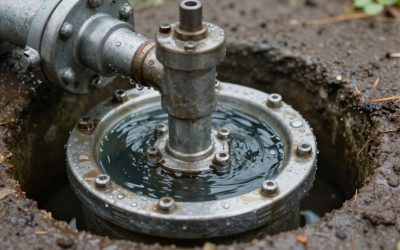
Water pumps are everywhere, from our homes to big industries. They keep things flowing, but sometimes they spring a leak. Often, the problem is with the seals. These little parts are super important for stopping water from escaping where it shouldn’t. Let’s talk about how well seals work in everyday water systems and what makes them tick.
Key Takeaways
- Mechanical seals stop water from leaking out where the pump shaft enters the pump housing.
- Pusher seals use springs and O-rings, while non-pusher seals use bellows for tougher jobs.
- Cartridge seals are easier to install, especially in complicated pumps.
- Seal materials like carbon graphite, ceramic, and silicon carbide affect how long seals last and where they can be used.
- Picking the right seal material for the job, like matching it to the water pressure and temperature, helps your pump run better for longer.
Understanding Mechanical Seals in Water Systems
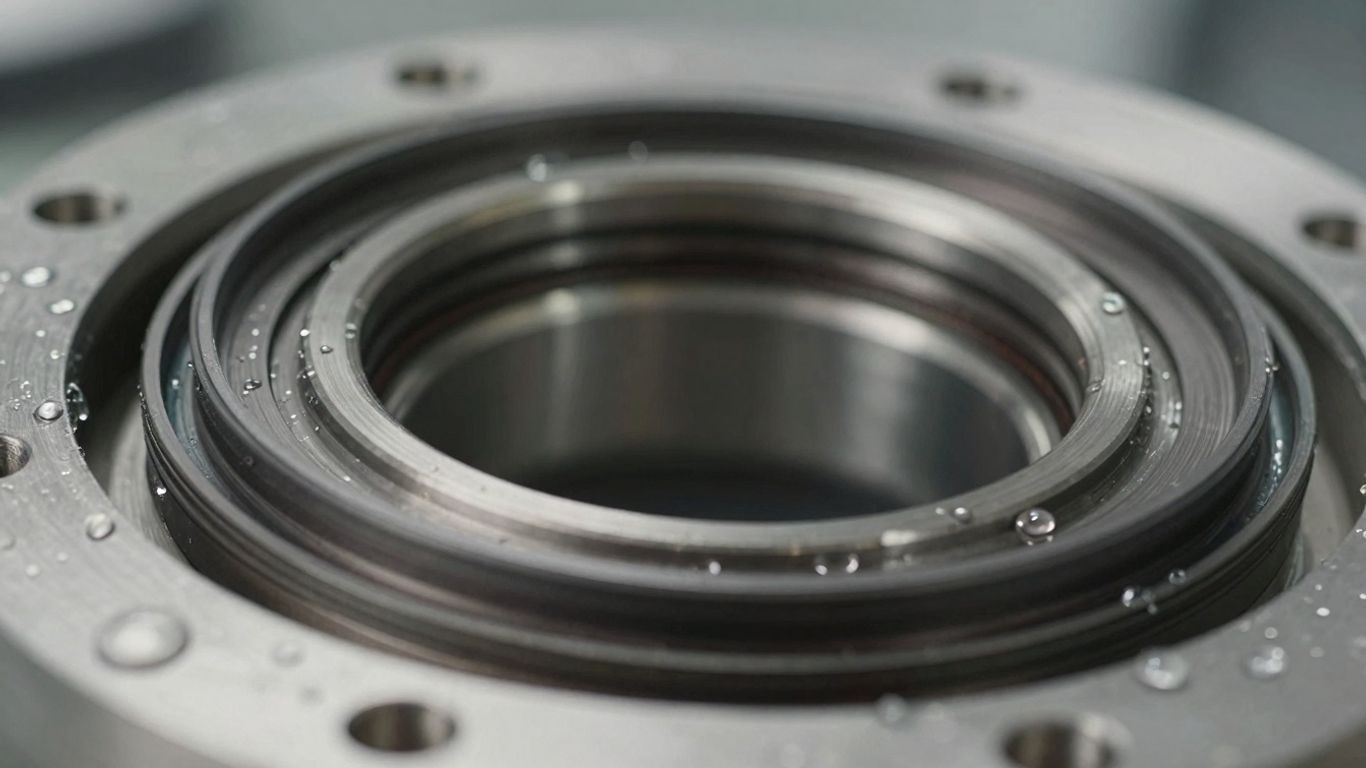
Alright, let’s talk about the unsung heroes in your everyday water systems: mechanical seals. You might not think about them much, but these little guys are doing some seriously important work behind the scenes. Basically, they’re there to stop water from leaking out where the pump’s spinning shaft goes through the pump’s body. Without a good seal, your pump just wouldn’t work right – no pressure, no flow, and a big watery mess everywhere. It’s pretty wild how much depends on such a small part.
The Critical Role of Seals in Pump Functionality
Think of a mechanical seal as the gatekeeper. Its main job is to keep the water inside the pump where it belongs, especially at that tricky spot where the shaft has to turn. This seal creates a barrier between the spinning shaft and the stationary pump housing. This barrier is what allows the pump to build and maintain pressure. If this seal fails, even a little bit, you’ll start seeing leaks. Over time, a small leak can turn into a big problem, leading to reduced pump performance, wasted water, and potentially damage to the pump itself or the surrounding area.
Internal vs. External Seal Mounting
When it comes to how these seals are put in, there are two main ways: internal and external mounting. Most of the time, you’ll find seals mounted internally. This means the seal parts are fitted inside the pump casing. The cool thing about this setup is that the water pressure the pump creates actually helps push the seal together, making it seal even better. It’s a clever bit of engineering.
On the flip side, you sometimes see external seals. These aren’t as common and are usually reserved for really tough jobs, like in industrial or mining settings. They’re used when the water being pumped is super harsh – maybe it’s full of abrasive grit or nasty chemicals. Mounting the seal externally means it doesn’t have to deal with as much of that rough stuff directly, helping it last longer in those extreme conditions.
How Well Seals Work in Everyday Water Systems
So, how do they actually do their job day in and day out? It really comes down to a few key parts working together. You’ve got a rotating ring that spins with the shaft and a stationary ring that stays put with the pump housing. These two rings have super-flat surfaces that rub against each other. Between these rings, there’s usually a spring or some other mechanism that keeps them pressed together. This constant, gentle pressure, combined with the super-smooth surfaces, creates a seal that’s tight enough to stop leaks but loose enough to let the shaft spin freely without too much friction or heat.
Here’s a quick rundown of what makes them tick:
- Rotating Face: This part spins along with the pump shaft.
- Stationary Face: This part stays fixed within the pump housing.
- Spring/Loading Mechanism: This applies the force needed to keep the rotating and stationary faces pressed together.
- Secondary Seals (O-rings/Bellows): These seal the rotating face to the shaft and the stationary face to the housing, preventing leaks around the edges.
The magic happens in the precise flatness and smooth finish of the seal faces. Even though they’re touching, they create a microscopic film of the pumped fluid between them. This fluid film acts as a lubricant, keeping things cool and preventing the faces from grinding each other down too quickly. It’s a delicate balance that allows for both sealing and rotation.
Types of Mechanical Seals and Their Applications
When it comes to keeping water systems running smoothly, the mechanical seal is a small but mighty component. It’s the unsung hero preventing leaks where the pump shaft meets the pump’s body. Without a good seal, your pump just won’t do its job right, and you’ll end up with a watery mess. Because pumps come in all shapes and sizes for different tasks, so do their seals. Let’s look at the main kinds you’ll find out there.
Pusher Seals: Versatile and Common
Pusher seals are probably the most common type you’ll run into. They work using a spring that pushes one part of the seal against another. Think of it like a spring-loaded gasket that keeps everything snug. The spring helps maintain pressure even as the seal wears down over time, which is pretty neat. They’re flexible and work well in a lot of different situations, from your home’s water pump to bigger industrial setups. These are often the go-to choice because they’re generally affordable, adaptable, and hold up well. However, they usually have a limit, often around 10 bar (145 psi), so they might not be the best pick for really high-pressure or high-temperature jobs.
Non-Pusher Seals for Extreme Conditions
These seals operate a bit differently. Instead of a spring pushing the seal faces together, they use a flexible bellows, often made of rubber or metal, to connect the rotating part to the stationary part. This design creates a small gap between the shaft and the bellows, meaning the shaft doesn’t need to be perfectly smooth, and it’s less likely to get damaged by dirty water or chemicals. This makes them a great option when you’re dealing with tougher conditions.
- Handles higher pressures and temperatures better than many pusher seals.
- Good for fluids that might be abrasive or corrosive, as there’s less direct contact with the shaft.
- Less prone to clogging or damage from debris in the pumped fluid.
Non-pusher seals are a solid choice when your water system is pushing the limits of what standard seals can handle, especially with hot water or certain chemicals.
Cartridge Seals for Ease of Maintenance
Sometimes, getting to the pump’s internal parts to replace a seal can be a real pain. That’s where cartridge seals come in handy. They bundle both the rotating and stationary parts of the seal into a single, easy-to-install unit. You slide it onto the shaft from the outside, and it usually screws into place. This makes swapping out a worn-out seal much quicker and simpler, especially in complex pumps like vertical multistage ones often found in commercial irrigation or large buildings. They can cost a bit more upfront, but the time and hassle saved during maintenance can be well worth it.
- Simplifies installation and replacement, reducing labor time.
- Pre-assembled unit minimizes the risk of incorrect assembly.
- Ideal for pumps where access is difficult or disassembly is complicated.
When choosing a seal, always consider the specific demands of your water system. Matching the seal type to the pressure, temperature, and the type of fluid being pumped is key to a long-lasting and leak-free operation.
Material Science: The Backbone of Seal Performance
So, we’ve talked about how seals work and the different kinds out there. But what are these things actually made of? It turns out, the materials used in a mechanical seal are a pretty big deal when it comes to how long it lasts and how well it does its job. Think of it like building a house – you wouldn’t use flimsy wood for the foundation, right? Same idea here. The right materials can mean the difference between a pump that runs smoothly for years and one that’s always springing a leak.
Common Seal Face Materials: Carbon Graphite, Ceramic, and Silicon Carbide
The parts of the seal that actually rub against each other, the "faces," are super important. They need to be tough but also smooth enough to let the shaft spin without too much friction.
- Carbon Graphite: This is a popular choice because it’s pretty good at lubricating itself and doesn’t weigh a ton. It’s often found in pumps handling clean water, like in your house or for watering the garden. It’s usually paired with a harder material to give it some extra backbone.
- Ceramic: If you need something a bit tougher than graphite, ceramic is a good step up. It resists corrosion well and is a solid pick for clean water systems that aren’t running super hot. You’ll see these in many home water pumps.
- Silicon Carbide: Now we’re talking serious durability. Silicon carbide is incredibly hard and can handle rough stuff like abrasive fluids, high temperatures, and high pressures. This is the go-to for heavy-duty industrial pumps where the conditions are tough.
Choosing the right face material is all about matching it to what the pump is actually doing. A seal that works great for your kitchen sink might not last five minutes in a factory.
Elastomers: Nitrile Rubber and EPDM
Besides the hard faces, seals have softer parts, usually made of rubber-like materials called elastomers. These are like the flexible gaskets that help keep everything sealed up tight.
- Nitrile Rubber (Buna-N): This is a common, affordable option. It’s flexible and works well for general water pumping, especially if the water is just plain water. Just don’t expect it to handle really hot temperatures or any harsh chemicals.
- EPDM: EPDM is better when things get a bit warmer. It holds up well against heat, ozone, and some chemicals. So, if your pump is dealing with hot water or is out in the weather, EPDM might be the better pick.
Metal Components: Stainless Steel and Hastelloy
There are also metal parts in seals, like springs and structural bits. These need to be strong and resist rust.
- Stainless Steel: This is the workhorse. It’s strong and doesn’t rust easily, making it perfect for most water pump applications, from your home to bigger setups. It’s pretty much everywhere.
- Hastelloy: For the really nasty stuff, like pumps handling aggressive chemicals, Hastelloy is the material you want. It’s a special alloy that can handle environments that would eat stainless steel for breakfast. It’s usually overkill for regular water systems, though.
Selecting the Right Seal for Optimal Performance
Picking the right mechanical seal for your water system might seem a bit overwhelming at first, but it’s really about matching the seal to the job it needs to do. Think of it like choosing the right tool for a specific task; you wouldn’t use a hammer to screw in a bolt, right? The same goes for seals. Getting this choice right means your pump runs smoothly, lasts longer, and you avoid those annoying leaks.
Matching Seal Materials to Operating Conditions
This is probably the most important part. You’ve got to consider what your pump is actually dealing with day in and day out. Is it just clean, cool water, or is it something a bit more challenging, like hot water, chemicals, or even gritty stuff?
- Clean Water: For most standard household pumps or irrigation systems that just handle clean water, a carbon graphite or ceramic seal face is usually a good bet. These are often paired with nitrile rubber O-rings. They’re cost-effective and do a fine job.
- Hot Water or Mild Chemicals: If your system deals with hotter temperatures or some basic chemicals, you might want to step up to silicon carbide seal faces. EPDM elastomers are a better choice here than nitrile rubber because they handle heat and some chemicals more gracefully.
- Abrasive Fluids or Harsh Chemicals: For pumps that have to deal with sandy water, slurries, or more aggressive chemicals, you’ll need tougher materials. Silicon carbide or even tungsten carbide seal faces are excellent for resisting wear and tear. For the elastomers, Viton (FKM) is a strong contender as it resists a wide range of chemicals and higher temperatures.
It’s not just about the seal face, though. The metal parts matter too. Stainless steel is common for its rust resistance, but if you’re in a really corrosive environment, you might even see specialized alloys like Hastelloy, though that’s rare for everyday water systems.
Considering Pressure, Temperature, and Fluid Type
These three factors are the big three when it comes to seal selection. They directly influence how well a seal will hold up.
- Pressure: Seals have pressure ratings. Pushing a seal beyond its limit is a fast track to a leak. Standard pusher seals often top out around 10 bar (145 psi). If you’re dealing with higher pressures, you might need to look at non-pusher designs or cartridge seals, which are often built for more demanding situations.
- Temperature: Heat can degrade materials. Nitrile rubber, for instance, doesn’t do well in high heat. EPDM and Viton can handle more, but even they have limits. Always check the temperature range for both the seal faces and the elastomers.
- Fluid Type: This ties back to materials. Is the fluid clean? Does it have solids? Is it oily? Is it acidic? Each of these will affect which materials will last the longest. For example, abrasive fluids will wear down softer seal faces quickly, and certain chemicals can eat away at elastomers.
Choosing the right seal isn’t just about preventing leaks; it’s about making sure your pump operates efficiently and reliably for as long as possible. A seal that’s correctly matched to its environment will perform better, require less maintenance, and ultimately save you money and hassle.
The Importance of Correct Seal Sizing
Even if you pick the perfect material and type of seal, if it’s the wrong size, it’s not going to work. It’s pretty straightforward: the seal has to fit snugly into the pump’s housing and onto the shaft. You’ll typically measure:
- The diameter of the pump shaft.
- The internal diameter and depth of the pump’s seal housing.
- The distance from the back of the impeller to where the stationary seal part sits.
Often, when replacing a seal, you can just measure the old one. But it’s always a good idea to double-check the pump manufacturer’s parts list. Sometimes, a previous repair might have used an incorrect seal, and you want to make sure you’re putting the right one back in. Getting the size right is key to proper pump function.
Maintenance and Troubleshooting Water Pump Leaks
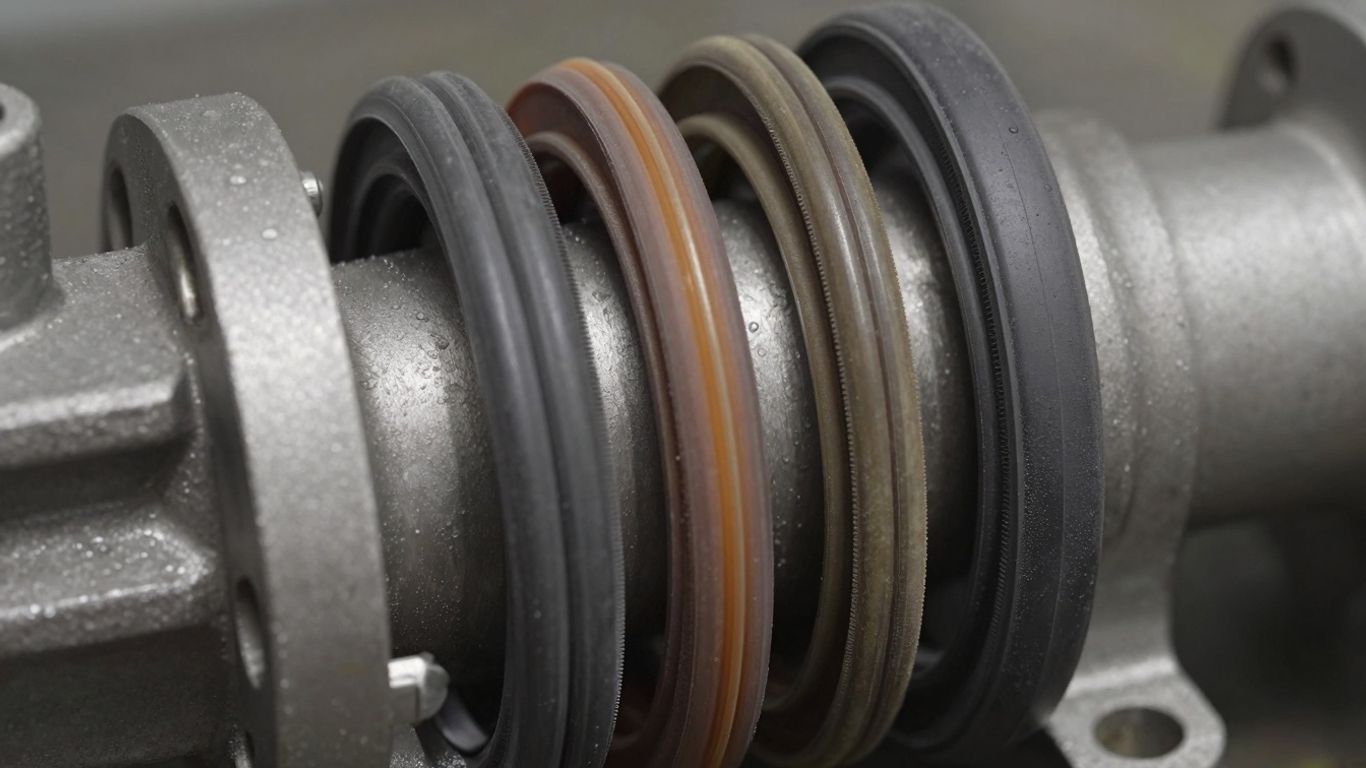
Okay, so your water pump is acting up. Maybe you’ve noticed a little drip, or perhaps a more concerning puddle. Don’t panic! Most water pump leaks aren’t the end of the world, but they do need attention. Think of it like a leaky faucet at home – annoying, wasteful, and potentially damaging if ignored.
Identifying Common Leak Culprits: Gaskets and Seals
When a water pump starts to weep, the first things I always check are the gaskets and seals. These are the unsung heroes that keep everything contained. Over time, heat and pressure can wear them down, or maybe a bolt just wasn’t tightened quite right during the last service. A worn gasket is a pretty common reason for a leak. You might see coolant pooling around the pump housing, or even just a persistent damp spot. It’s also worth keeping an eye on the weep hole. If coolant starts dribbling from there, it’s a pretty clear sign the internal seals are giving up the ghost and it’s likely time for a replacement. Ignoring this can lead to bigger problems, like your pump failing completely.
Preventative Measures for Longevity
Honestly, the best way to deal with leaks is to stop them before they start. Regular check-ups are your best friend here. Make it a habit to glance at your pump every so often. Are there any unusual noises, like grinding or whining? That could point to worn bearings, which can eventually lead to seal failure. Keep the area around the pump clean; dirt and debris can hide small issues. And don’t forget about your coolant! Keeping the levels correct is super important. Low coolant means the pump works harder, gets hotter, and that just speeds up wear and tear on everything, including those vital seals. A quick check of your water pump connections can also save you headaches down the line.
Temporary Sealant Solutions and Their Limitations
Sometimes, you just need a quick fix to get you by until you can do a proper repair. There are sealants out there designed for this. They can often plug small leaks temporarily. You might add a special additive to your coolant, or use a specific sealant product. However, and this is a big ‘however’, these are usually just band-aids. They might stop the immediate drip, but they don’t fix the underlying problem. Think of it like putting tape on a cracked pipe – it might hold for a bit, but eventually, it’s going to fail. These temporary fixes can sometimes even clog up other parts of your cooling system, causing new issues. So, while they can be useful in a pinch, always plan for a permanent repair using quality replacement parts.
Here’s a quick rundown of what to look for:
- Coolant Puddles: Any sign of liquid pooling under or around the pump.
- Weep Hole Dripping: A steady stream or even consistent moisture from the small hole on the pump.
- Unusual Noises: Grinding, whining, or squealing sounds coming from the pump area.
- Corrosion: Visible rust or corrosion on the pump’s exterior, which can weaken the metal.
When you’re troubleshooting, remember that a clean workspace and the right tools make a huge difference. Trying to fix a leak with a rusty wrench and a dirty rag is just asking for more trouble. Having a torque wrench handy is also a good idea for getting bolts just right – not too loose, not too tight.
Wrapping It Up
So, as we’ve seen, those seemingly simple seals in our water systems are actually pretty important. They’re the unsung heroes keeping everything from dripping and spraying where it shouldn’t. Whether it’s a mechanical seal in a pump or a link seal in a pipe passing through a wall, they all do a similar job: keeping water contained. Picking the right type for the job and making sure it’s installed correctly really does make a difference in how long things last and how smoothly they run. It’s not exactly rocket science, but paying a little attention to these parts can save you a lot of hassle down the road. Just remember, a little maintenance goes a long way!
Frequently Asked Questions
What exactly does a mechanical seal do in a water pump?
Think of a mechanical seal like a special rubber ring that stops water from leaking out where the pump’s spinning rod (shaft) goes into the pump’s body. It’s super important because without it, water would spray everywhere, and the pump wouldn’t be able to push water like it’s supposed to.
Why are there different kinds of seals for water pumps?
Just like different tools are made for different jobs, seals are designed for various situations. Some seals are built for everyday water, while others need to handle really hot water, tough chemicals, or sandy water. The type of seal needed depends on what the pump is doing and what kind of water it’s moving.
What are the seals made of, and does it matter?
Yep, the materials are a big deal! Seals are often made from tough stuff like carbon graphite, ceramic, or silicon carbide for the parts that rub together. The flexible parts, like rubber rings, are usually made from materials like nitrile rubber or EPDM. These materials are chosen because they can handle water, pressure, and sometimes heat without breaking down too quickly.
How do I know if I have the right seal for my pump?
Choosing the right seal means matching it to how your pump works. You need to think about how much pressure the water has, how hot it is, and if there are any bits and pieces in the water. Getting the size exactly right is also key – it has to fit perfectly inside the pump.
My pump is leaking a little. Is it always the seal?
Not always, but seals and gaskets are very common places for leaks to start. Sometimes, a connection might be loose, or another part could be worn out. It’s a good idea to check the seals and gaskets first, as they’re often the easiest things to fix or replace.
Can I use something like epoxy putty to fix a leaky seal?
Stuff like epoxy putty or special ‘stop-leak’ liquids can sometimes work as a quick fix to stop a leak for a little while. However, these are usually temporary solutions. They might not last long, especially if the pump is under a lot of pressure or heat. It’s always best to get the right seal replaced for a permanent fix.