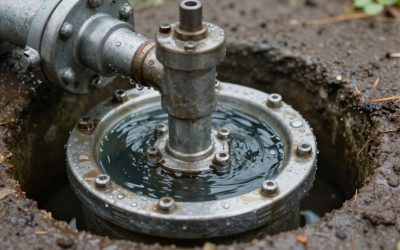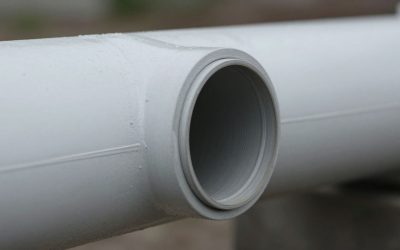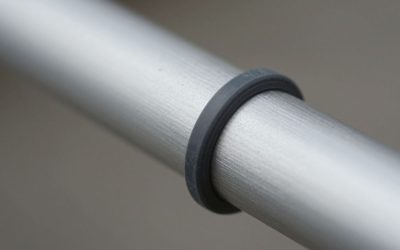
You know, when we think about clean water, we usually focus on the fancy filters or the treatment plants. But there’s this one part of the well system that often gets overlooked, yet it’s super important for keeping our water safe. It’s the well seal. This little component plays a huge role in stopping yucky stuff from getting into our drinking water. Let’s break down why this often-ignored hero is so vital.
Key Takeaways
- Well seals act as a barrier, stopping surface water and contaminants from entering the well.
- A properly sealed well maintains the purity of the groundwater below the surface.
- Damage or wear on well seals can lead to serious contamination of your water supply.
- Choosing the right type of sealant and applying it correctly is important for long-term protection.
- The well seal is an unsung hero, providing critical protection for your clean water source.
Understanding Well Sealant’s Role
Okay, so you’ve got a well, which is pretty cool. It’s your direct line to clean water. But have you ever stopped to think about what’s actually keeping that water clean before it even gets to your tap? That’s where the well seal, or well sealant, comes in. It’s not the flashy part of the well system, but it’s doing some really important work behind the scenes.
What Exactly Is Well Sealant?
Think of well sealant as a specialized caulk or grout designed specifically for wellheads. It’s not just any old sealant you’d use around the bathtub. This stuff has to be tough, durable, and, most importantly, safe for contact with drinking water. It’s applied around the casing where it enters the ground or the well cap. Its main job is to create a barrier. This barrier is your first line of defense against anything nasty from the surface trying to sneak into your water supply.
The Primary Function Of Well Seals
The main gig of a well seal is pretty straightforward: to prevent surface water and contaminants from entering the well casing. Rainwater, runoff, pesticides, animal waste – you name it, all that stuff can wash down into the ground. If there’s a gap or crack around the well casing, these unwanted guests can make their way into your well. The sealant fills those gaps, making it much harder for anything to get in.
Why Well Seals Are Essential For Water Purity
This is where the "hidden hero" part really kicks in. Without a proper seal, your well is basically an open invitation for trouble. Contaminants can seep in, affecting the taste, smell, and safety of your water. This can lead to health problems or costly water treatment down the line. A good seal helps maintain the integrity of your water source, keeping it as pure as possible from the ground up.
Here’s a quick rundown of why it matters:
- Blocks Surface Intrusion: Stops rain, snowmelt, and surface runoff from carrying pollutants into the well.
- Prevents Animal Access: Keeps insects, rodents, and other small creatures from entering the wellhead.
- Maintains Pressure: Helps keep the well system sealed, which is important for proper pump operation.
- Protects Casing: Offers a layer of protection against corrosion or damage at the wellhead.
The Critical Importance Of Well Seals
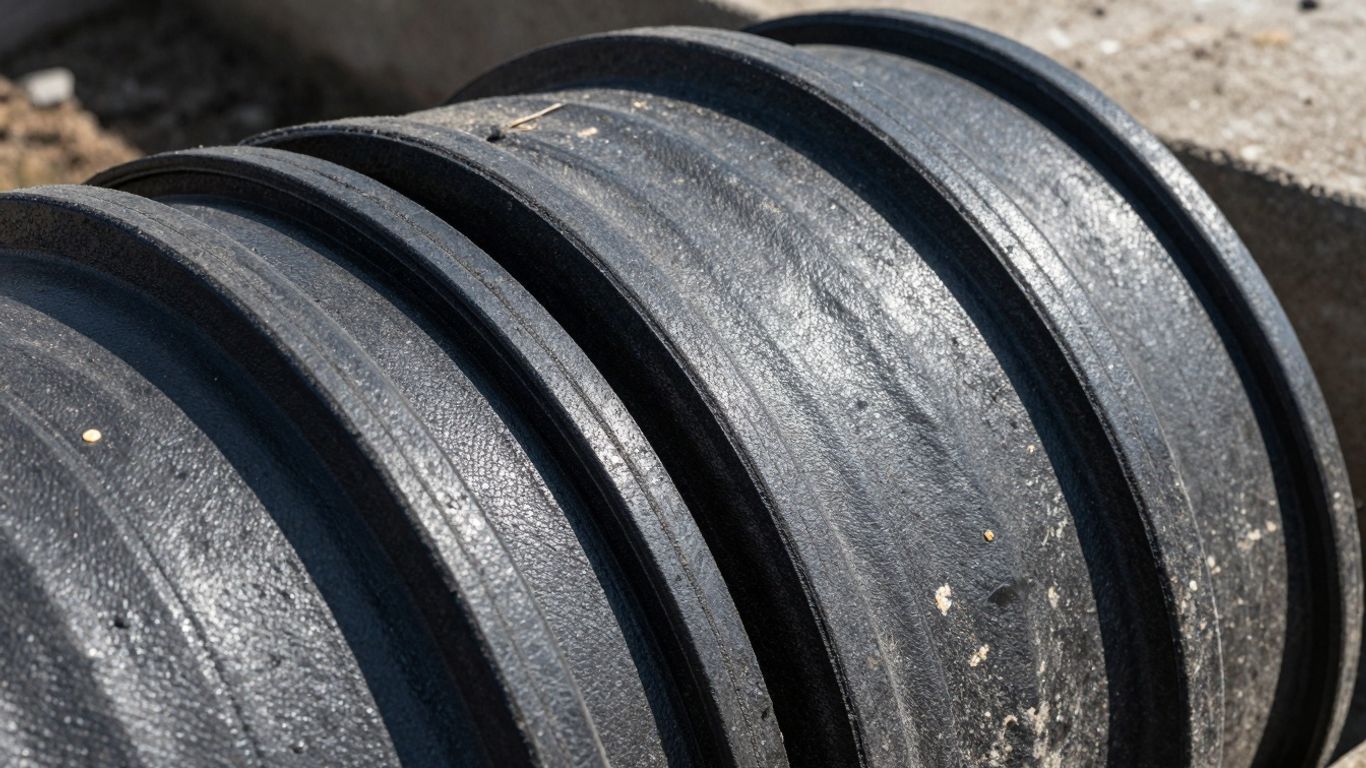
Okay, so we’ve talked about what well seals are and what they do. Now, let’s really dig into why they’re such a big deal. You might not think much about that little seal around your wellhead, but it’s doing some seriously important work to keep your water safe and clean. It’s like the bouncer at a club, keeping the riff-raff out.
Preventing Contamination From The Surface
Think about everything that happens on the ground above your well. Rain washes over the land, carrying all sorts of things with it – dirt, animal droppings, pesticides from a neighbor’s lawn, maybe even oil drips from a car. Without a proper seal, all of that gunk has a direct path to seep down into your well water. It’s a pretty gross thought, right? The seal acts as a barrier, a solid line of defense that stops surface contaminants from getting into the aquifer where your water comes from. It’s not just about keeping dirt out; it’s about preventing bacteria and other nasty stuff from making its way into your drinking water supply. A compromised seal means you’re basically drinking whatever washes across the surface.
Maintaining Water Integrity Below Ground
It’s not just about what’s happening on the surface, though. The seal also plays a role in keeping the water below ground pure. Aquifers can be complex systems, and sometimes there are different layers of groundwater with varying quality. A good seal helps to prevent water from one layer from mixing with the water in the layer your well is drawing from. This is especially important if you have different geological formations around your well. It helps maintain the natural quality of the water source you’re relying on, stopping unwanted mixing that could affect taste, mineral content, or even introduce contaminants from shallower, less desirable water tables.
The Long-Term Benefits Of A Secure Well Seal
So, what does all this mean for you in the long run? Well, a well-maintained seal means fewer headaches down the road. You’re less likely to face expensive water treatment or, worse, have to deal with health issues from contaminated water. It means peace of mind, knowing that the water coming out of your tap is as clean as it can be, straight from the source. Plus, a good seal can help protect the well structure itself from damage over time. It’s a small investment, really, when you consider the cost of dealing with a contaminated well or a damaged system. It’s about protecting your health and your property for years to come.
Here’s a quick rundown of why a good seal matters:
- Keeps surface gunk out: Stops dirt, chemicals, and animal waste from entering your well.
- Protects groundwater quality: Prevents mixing of different water layers.
- Reduces treatment costs: Less contamination means less need for expensive filters or treatments.
- Extends well life: Protects the physical structure of the well from damage.
- Provides peace of mind: You can trust the water you’re drinking.
A secure well seal is one of those things you don’t think about until it’s gone wrong. It’s the silent guardian of your water supply, working 24/7 to keep things safe. Don’t underestimate its power.
Common Issues With Well Seals
So, you’ve got a well, and you’re probably thinking about the pump or maybe the water quality itself. But what about that seal around the top? It’s easy to forget, but a failing well seal can cause all sorts of headaches. Think of it like the lid on a jar – if it’s not on tight, things can get in that shouldn’t be there.
Signs Of A Compromised Well Seal
How do you know if your well seal is starting to give you trouble? It’s not always obvious, but there are a few things to look out for. Sometimes, it’s just a visual thing. You might see cracks in the sealant material, or maybe it looks like it’s pulling away from the well casing. This can happen over time due to weather changes, ground movement, or just plain old wear and tear. Another sign could be if you notice any unusual smells or tastes in your water, though this can be caused by other issues too. It’s always better to be safe than sorry, though.
- Visible cracks or gaps in the sealant
- Sealant pulling away from the well casing
- Changes in water odor or taste (though this can have other causes)
- Evidence of insects or small animals around the wellhead
The Risks Of Neglecting Well Seal Maintenance
Ignoring a faulty well seal is like leaving your front door wide open. It’s an invitation for trouble. The biggest concern is contamination. Surface water, which can pick up all sorts of nasty stuff like pesticides, animal waste, or industrial runoff, can find its way down into your well. This is especially true after heavy rains or flooding. Remember, rainwater can collect contaminants from the land’s surface. If this contaminated water gets near your private well, it can seep in and pose health risks. Private wells are a source of drinking water for many households, and understanding potential contamination pathways is crucial for ensuring water safety.
Beyond immediate contamination, a compromised seal can also allow gases to escape from underground, which isn’t ideal. It can also lead to a decrease in water pressure over time if air is getting into the system where it shouldn’t be.
When To Consider Replacing Your Well Seal
Deciding when to replace your well seal isn’t an exact science, but there are some clear indicators. If you’ve noticed any of the signs mentioned above, it’s probably time to get it checked out. A good rule of thumb is to have your well system, including the seal, inspected periodically, maybe every few years. If the sealant is old, brittle, or has clearly failed in multiple spots, replacement is likely the best course of action. It’s a relatively minor repair compared to the potential cost and hassle of dealing with contaminated water or a damaged well system. Think of it as preventative maintenance for your most important resource.
Choosing The Right Well Sealant
So, you’ve decided to get serious about your well’s protection. That’s smart! But when it comes to picking out the right sealant, it can feel a bit overwhelming. There are a bunch of options out there, and they all claim to be the best. Let’s break down what you need to know.
Types Of Sealants Available
When you’re looking at sealants, you’ll mostly find a few main types. Each has its own strengths and weaknesses, so the best one for you really depends on your specific situation.
- Silicone-based: These are super flexible and great at handling temperature changes. They’re often used for sealing around windows and doors, and they work well for well seals too because they don’t get brittle in the cold or melt in the heat. They also offer good water resistance.
- Polyurethane-based: These are known for being really tough and durable. They create a strong bond and can handle a lot of stress. If you need something that’s going to last a long time and resist wear and tear, polyurethane might be your pick. They’re often used in construction for joints that need to be strong.
- Acrylic-based: These are generally easier to work with and clean up. They’re a good all-around choice for many applications, offering decent flexibility and water resistance. They might not be as heavy-duty as polyurethane, but they’re a solid option for many home projects.
Factors To Consider For Your Well
Picking the right sealant isn’t just about grabbing the first tube you see. You’ve got to think about what your well needs. The environment around your well is a big factor.
- Climate: Is it super hot where you live? Or does it get freezing cold? You need a sealant that can handle those extremes without cracking or losing its seal. Silicone is often a good bet here.
- Soil Type: Some soils expand and contract more than others with moisture. Your sealant needs to be flexible enough to move with the ground without breaking.
- Exposure: Will the seal be exposed to direct sunlight (UV rays)? Some sealants degrade faster when constantly hit by the sun. Look for UV-resistant options if this is a concern.
- Longevity: How long do you want the seal to last? Higher quality sealants, like some polyurethanes, tend to have a longer lifespan, meaning fewer replacements down the road.
Application Best Practices
Getting the sealant on right is just as important as picking the right kind. A poorly applied seal won’t do its job, no matter how good the product is. Here’s a quick rundown:
- Clean the Area: This is super important. Make sure the surface where you’ll apply the sealant is totally clean, dry, and free of any dirt, grease, or old sealant. A clean surface is key for a good bond.
- Prepare the Sealant: If you’re using a caulk gun, cut the tip of the sealant tube at an angle. This helps you get a nice, even bead.
- Apply Evenly: Apply a consistent bead of sealant around the well casing and the surrounding area. Don’t skimp, but don’t go overboard either. You want enough to create a solid barrier.
- Smooth It Out: Use a putty knife, a gloved finger, or a damp cloth to smooth the sealant into the gap. This helps it make good contact and looks neater.
- Let It Cure: Give the sealant plenty of time to dry and cure completely according to the manufacturer’s instructions. Trying to rush this step can ruin the seal. You might want to check out window well covers as an additional layer of protection.
Taking the time to choose and apply the right sealant is a small step that makes a huge difference in protecting your water source. It’s about preventing problems before they even start, which is always the best approach.
The Hidden Hero Of Clean Water Well Seals Explained
Why Well Seals Are Often Overlooked
It’s funny how some things just blend into the background, isn’t it? Well seals are a lot like that. You don’t really think about them until something goes wrong, and by then, it’s usually a bigger headache. They’re tucked away, doing their job without any fanfare. Most people are more concerned with the water coming out of their tap – is it clear, does it taste okay? The actual barrier that keeps the bad stuff out? That’s often an afterthought. It’s easy to forget that the integrity of your entire water source relies on these often-unseen components. They’re not flashy, they don’t make noise, and they certainly don’t win any awards, but their role is pretty significant.
The Unsung Protection They Provide
So, what exactly are these unsung heroes doing? Essentially, they create a barrier. Think of it like a gatekeeper for your well. Their main job is to stop anything from the surface – think rainwater runoff, animal waste, or even spilled chemicals – from seeping down into your well water. This is super important because once contaminants get into the groundwater, they can be really hard to get rid of. A good well seal prevents that direct pathway, safeguarding community water resources and the wellheads of neighboring properties. It’s a simple concept, but the impact is huge for keeping your water pure.
Ensuring Your Water Source Is Safe
Making sure your well seal is in good shape is a proactive step towards protecting your health and your home. It’s not just about preventing a one-time contamination event; it’s about long-term water quality. Regular checks and proper maintenance mean you’re less likely to face costly repairs or, worse, health issues down the line. It’s a small investment of time and attention that pays off big time by keeping your drinking water safe and clean.
Here’s a quick rundown of why they matter:
- Prevents Surface Contamination: Stops unwanted materials from entering the well.
- Maintains Water Quality: Keeps groundwater from being compromised.
- Protects Infrastructure: Safeguards the well casing and pump system from damage.
The quiet work of a well seal is a constant defense against the elements and potential pollutants. It’s a critical line of defense that deserves more recognition for the safety it provides.
When it comes to choosing the right materials for your well, there are a few options. The most common types include:
- Bentonite Clay: A natural clay that swells when wet, creating a tight seal.
- Cementitious Grout: A mixture of cement, water, and sometimes additives, which hardens to form a solid barrier.
- Polymer Sealants: Modern synthetic materials designed for flexibility and long-term durability.
Each has its pros and cons, depending on your specific well construction and local conditions. It’s always a good idea to consult with a professional to determine the best fit for your situation. They can help you understand the factors to consider for your well, like soil type and depth, to make the right choice. Proper well sealing is key to a reliable water supply.
So, What’s the Takeaway?
Alright, so we’ve talked about how important well seals are, even though they’re usually hidden away. They’re like the quiet guardians of our water supply, making sure everything stays clean and safe. It’s easy to forget about them, but they’re working hard behind the scenes. Next time you turn on the tap, maybe give a little nod to the well seal. It’s doing a pretty big job, and honestly, we should all appreciate that little bit of engineering that keeps our water pure. It’s a simple thing, but it makes a huge difference in our daily lives.
Frequently Asked Questions
What exactly is a well seal?
A well seal, also known as a well cap or sanitary seal, is like a lid for your well. It sits on top of the well casing, which is the pipe that goes down into the ground to reach the water. Its main job is to keep the opening of the well shut tight.
Why is a well seal so important for clean water?
Think of the well seal as a gatekeeper. It stops bugs, dirt, leaves, and anything else from the surface from falling into your well water. Without it, all sorts of yucky stuff could get in and make your water unsafe to drink.
What are the signs that my well seal might be broken or needs fixing?
You might notice visible cracks or damage on the seal itself. Sometimes, you might see insects or debris around the wellhead. If your water suddenly tastes or smells funny, that could also be a clue that something’s wrong with the seal or other parts of the well system.
Can a bad well seal really affect my water quality?
Absolutely! A damaged or missing well seal is a direct pathway for contaminants like bacteria, chemicals, and dirt to enter your water supply. This can lead to serious health problems if you drink the water.
How often should I check or replace my well seal?
It’s a good idea to give your well seal a quick look at least once a year, or after major weather events like heavy storms. While they are built to last, they can wear out over time, especially if they’re exposed to harsh weather. If you see any damage, it’s best to get it checked by a professional right away.
What happens if I don’t have a proper well seal?
If your well doesn’t have a secure seal, you’re leaving your water source open to all sorts of pollution from the outside world. This means your drinking water could become contaminated, posing risks to your health and the health of anyone who drinks it. It’s a simple fix that provides huge protection.