So, you’ve got questions about well seals, huh? It’s not exactly dinner table talk, but it’s important stuff. We get asked a lot of the same things, so we thought we’d put together a quick rundown to clear things up. Think of this as your go-to spot for Frequently Asked Questions About Well Seals. We’ll cover what they are, how to pick the right one, and some common things people get wrong. Let’s get started.
Key Takeaways
- Well seals and well caps do different jobs. Seals go on top and support the pump, while caps just cover the well opening.
- For deeper wells, steel seals are usually recommended because they can hold more weight. Plastic seals can work for shallower wells and are often cheaper.
- Don’t worry too much about offset well seals. They’re designed to make installing bigger pump cables easier and don’t stop the pump from going in properly.
- The rubber gasket on a well seal is key for fitting different casing sizes. It can swell with water to make a tighter seal, and sometimes a little extra tape helps.
- When you’re not sure, especially with local rules or tricky situations, it’s always best to ask a pro or check the local codes.
Understanding Well Seals
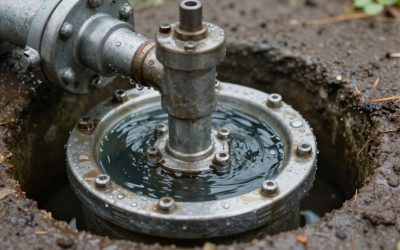
So, what exactly is a well seal? Think of it as the hat for your well. Its main job is to cover the top of the well casing, keeping stuff out and the well protected. It’s pretty straightforward, really.
Well Seals vs. Well Caps
People sometimes mix these up, but they’re not quite the same thing, even though they both cover the well opening. A well cap is usually a simpler, more basic cover. It might just sit on top or screw on. A well seal, on the other hand, is designed to create a more secure, often watertight, connection. It’s built to keep out more than just leaves and dirt; it’s about preventing contaminants from getting into your water supply.
Here’s a quick rundown:
- Well Cap: Basic protection, often just covers the opening.
- Well Seal: More secure, aims to prevent contaminants from entering.
The main difference boils down to the level of protection offered. While a cap might keep out the big stuff, a seal is engineered for a tighter fit and better defense against smaller, potentially harmful things.
Choosing between them often depends on your local climate and what regulations might require. For instance, in areas where you get a lot of rain or snowmelt, a good seal is probably a better bet than just a cap.
Choosing the Right Well Seal Material
Picking the right material for your well seal isn’t just about what looks good; it’s about what’s going to hold up over time and keep your water safe. Different materials have different strengths, and what works for one well might not be the best fit for another. Let’s break down some common options.
Steel Well Seals for Deeper Wells
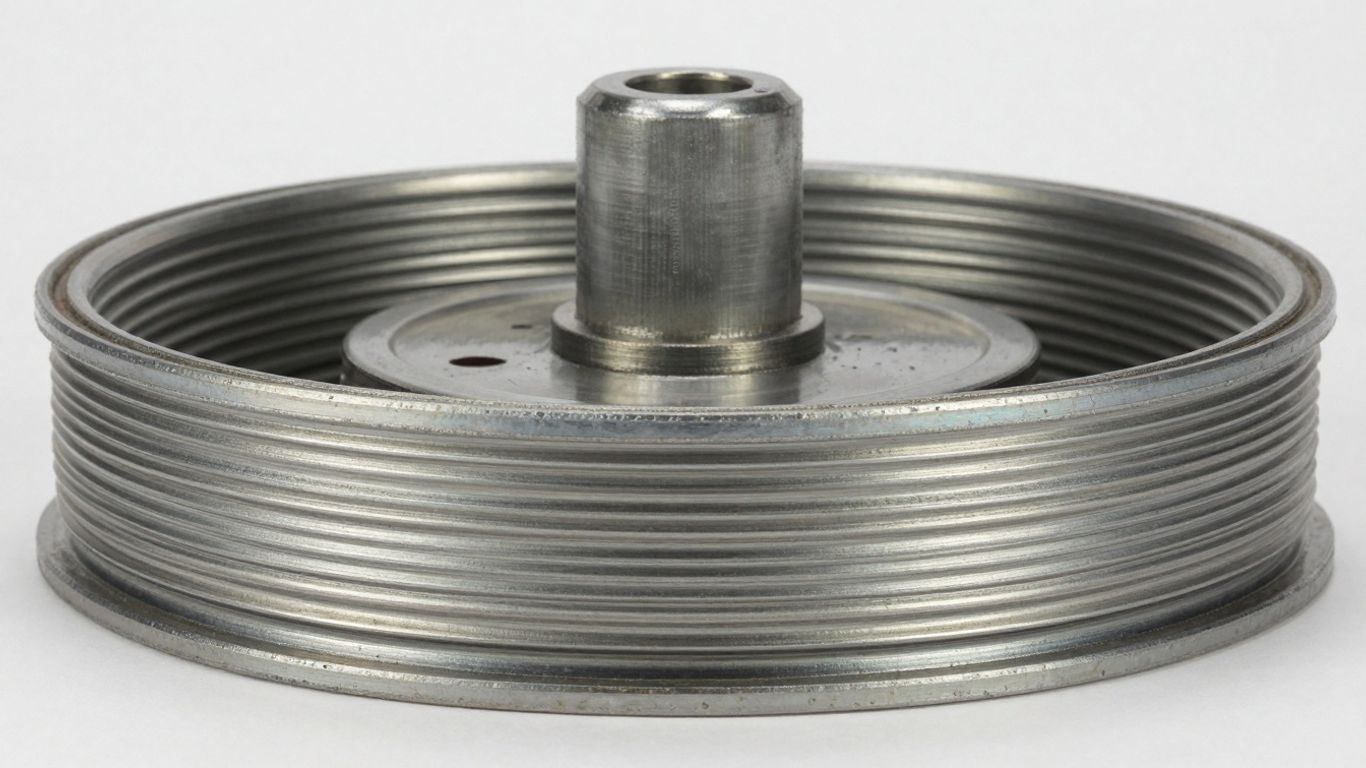
When you’ve got a deep well, like those going down 300 feet or more, steel is often the go-to material. Steel seals are built tough and can handle the significant weight of submersible pumps that are common in deeper applications. They’re also really good at resisting corrosion, which is a big deal when you’re dealing with water and underground conditions. Plus, they don’t break down easily from sunlight, unlike some plastics.
ABS Plastic Seals for Shallower Wells
For wells that aren’t as deep, ABS plastic seals can be a more budget-friendly choice. They’re lighter than steel and generally easier to work with. If your well is on the shallower side, and the pump isn’t excessively heavy, an ABS seal can do the job just fine. It’s a practical option when you don’t need the heavy-duty strength of steel.
The Drawbacks of Cast Iron Seals
Cast iron used to be super popular for well seals, and you’ll still find them around. The main issue with cast iron, though, is its tendency to rust. Over time, this rust can cause problems, potentially weakening the seal or even contaminating the water. While they might be sturdy initially, the long-term effects of rust make them less ideal compared to modern alternatives like stainless steel or even robust plastics for certain applications.
Here’s a quick look at how materials stack up:
| Material | Best For | Pros | Cons |
|---|---|---|---|
| Steel | Deeper wells, heavy pump loads | Strong, durable, corrosion-resistant | Heavier, can be more expensive |
| ABS Plastic | Shallower wells, lighter pump loads | Economical, lightweight, easy to handle | Less durable than steel, UV sensitive |
| Cast Iron | Older installations (use with caution) | Sturdy (initially) | Prone to rust, potential contamination |
When selecting a material, always consider the depth of your well and the weight of the pump you’ll be suspending. It’s better to go a little overkill on strength than to have a seal fail down the road.
Addressing Misconceptions About Offset Well Seals
There are a lot of rumors floating around about well seals, and sometimes these rumors can lead people to make choices that aren’t the best for their situation. One common area of confusion is around offset well seals. People worry that the off-center hole will cause problems, but honestly, it’s usually the opposite. These seals actually offer some pretty neat advantages that can make setting up your well pump a lot less of a headache.
Can Offset Seals Prevent Pump Installation?
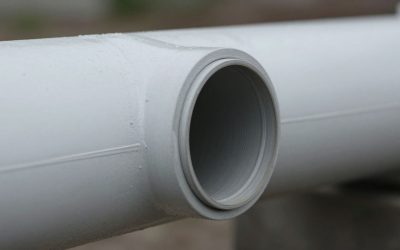
This is probably the biggest worry people have: that the offset hole means a big pump cable just won’t fit or won’t let the pump sit right. The truth is, offset well seals are designed to accommodate larger pump cables and conduit connections. Unlike a centered seal where everything is crammed together, the offset design gives you more breathing room. This is especially helpful when you’re dealing with flat jacket pump cables, which need a specific kind of slot to fit through without getting pinched. A centered seal might force you to use a much smaller connection, making the whole installation process way harder than it needs to be.
Flexibility of Drop Pipes
Another point that often gets overlooked is how flexible drop pipes actually are. Both plastic and steel drop pipes have a surprising amount of give. When you’re lowering a pump down into the well, that slight offset in the seal usually doesn’t cause any issues at all. It’s far more likely that a bend or crook within the well casing itself would be a bigger obstacle than the seal’s offset hole. So, the idea that the offset prevents proper installation just doesn’t hold up when you consider the flexibility of the pipe and the realities of well construction.
Modern Well Drilling Practices
Things have changed a lot in how wells are drilled. Years ago, wells were typically drilled much straighter. Today, there’s a bit more leeway. The American Water Works Association (AWWA) actually allows for a certain amount of drift in well casings over distance. For instance, a 6-inch well might have a drift of up to 3 inches over 150 feet. This means wells aren’t always perfectly vertical. Offset well seals have been around for a long time and have been tested extensively by the water well industry without any major problems being reported. They’ve proven to be a reliable choice for many years.
It’s interesting to note that pitless adapters, which are also common, have a more significant offset at the wellhead than most offset well seals. The reason issues aren’t often raised about pitless adapters is likely because their drop pipe connection isn’t as visible relative to the well casing center as it is with an offset well seal. This comparison highlights that the perceived problem with offset seals might be more about appearance than actual function.
Offset well seals are a practical solution for modern well systems. They offer benefits like easier installation for larger cables and have been proven reliable over time. If you’re looking to make your well setup smoother, consider an offset seal for your next project.
Key Features and Benefits of Well Seals
When you’re looking at well seals, a few things really stand out that make them a good choice for protecting your water source. It’s not just about slapping a lid on top; these seals are designed with specific features to make life easier and your well safer.
Accommodating Larger Pump Cables
One of the biggest headaches during well pump installation can be getting everything to fit. Older or simpler well seals might have a centered opening, which works fine for basic setups. But what happens when you have a thicker pump cable or need to run conduit? That’s where the design of the well seal really matters. Many modern seals come with an offset hole, or an auxiliary hole specifically for wiring. This off-center placement gives you more room to maneuver, especially with larger diameter pump cables or when using flat jacket cables that need a specific slot. It means less struggling to force things into place and a smoother installation process overall. It’s a small detail that makes a big difference in avoiding installation snags.
Benefits of Offset Holes
Offset holes aren’t just about fitting bigger cables; they offer a bit more flexibility in how you set things up. Think of it like having a little extra elbow room. This design can be particularly helpful if you’re dealing with a well that has a slightly unusual setup or if you need to run multiple lines. It helps prevent kinking or stressing the pump cable, which is important for the longevity of your equipment. Some people worry that an offset hole might compromise the seal, but good quality seals are designed with gaskets that expand to create a tight fit, regardless of the hole’s position. It’s interesting to note that pitless adapters, which are also common, often have a more pronounced offset at the wellhead, and these don’t typically raise the same concerns.
Importance of Material for Weight Load Capacity
The material your well seal is made from directly impacts its strength and how much weight it can safely support. This is super important, especially for deeper wells where submersible pumps are hanging quite a distance down. Steel, particularly stainless steel, is a top choice because it’s strong and corrosion-resistant. It can handle the significant weight of a pump and its associated piping without bending or failing over time. Plastic seals, like those made from ABS, are often more economical and work well for shallower wells or lighter loads. Cast iron used to be common, but its tendency to rust can be a real problem, leading to potential failure and contamination issues. So, picking the right material means picking the right load capacity for your specific well setup.
Here’s a quick look at how different materials stack up:
| Material | Weight Load Capacity | Corrosion Resistance | Typical Use Case |
|---|---|---|---|
| Stainless Steel | High | Excellent | Deep wells, heavy loads |
| ABS Plastic | Moderate | Good | Shallower wells, lighter loads |
| Cast Iron | Moderate to High | Poor (Rusts) | Older installations (use with caution) |
Choosing a well seal isn’t just about covering the opening; it’s about selecting a component that can handle the physical demands of your well system and maintain a sanitary barrier against contaminants. The material and design features, like offset holes, play a big role in its overall performance and ease of installation.
Installation Considerations for Well Seals
Putting in a well seal might seem straightforward, but there are a few things to keep in mind to make sure it’s done right. It’s not just about screwing it on; you’ve got to think about the well itself and how the seal will work with everything else.
Dealing with Varying Well Casing Sizes
Wells aren’t always perfectly uniform, even if they’re supposed to be the same size. Over time, or depending on how they were built, the casing might have slight differences. Don’t sweat it too much, though. Most good well seals come with a flexible rubber gasket around the bottom. This gasket is designed to expand a bit when it gets wet, helping to seal up any small gaps. If you run into a really unusual casing size, you might even add a little foam tape to help get a snugger fit. The main thing is that the lip of the seal needs to sit properly over the casing to support the pump.
The Role of the Rubber Gasket
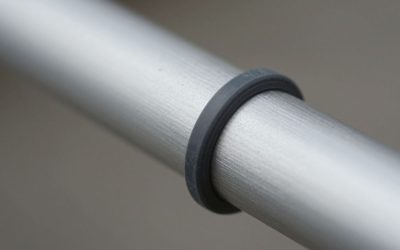
That rubber gasket isn’t just there to look pretty. Its main job is to create a seal against the well casing. This stops bugs, dirt, and surface water from getting down into your well, which is super important for keeping your water clean. It needs to be flexible enough to conform to the casing but also durable enough to last.
Ensuring a Secure Fit
A secure fit is non-negotiable. You don’t want your well seal to be loose or wobbly. This is where the gasket really helps, but you also need to make sure any bolts or clamps are tightened properly. A well-sealed well is a protected well. If you’re unsure about how tight things should be, it’s always better to check the manufacturer’s instructions or ask someone who knows.
Here’s a quick rundown of what makes a good fit:
- Gasket Compression: The rubber gasket should compress slightly against the casing when the seal is installed.
- Even Pressure: Make sure any fasteners are tightened evenly around the seal to avoid warping or creating gaps.
- No Movement: The seal should not shift or move once installed. It needs to stay put.
Sometimes, people worry about whether a seal will fit a specific well casing size. The good news is that most modern seals are designed with some flexibility in mind, especially with the gasket. It’s rare to find a situation where a standard seal just won’t work unless the casing is severely damaged or non-standard.
When to Consult a Professional
Sometimes, figuring out the right well seal can get a little tricky, and that’s perfectly okay. While many situations are straightforward, there are times when it’s best to get a little help from someone who knows their stuff. Don’t hesitate to reach out to a local professional if you’re feeling unsure about any part of the process.
Local Climate Factors
The weather where you live plays a bigger role than you might think in choosing the right well seal. For instance, areas with harsh winters might need seals made from materials that can handle extreme cold without becoming brittle. Conversely, places with very hot summers might require seals that won’t degrade under intense heat. It’s not just about temperature, either; heavy rainfall or areas prone to flooding could influence the type of seal needed to keep contaminants out effectively.
Understanding Regulatory Codes
Every region has its own set of rules and regulations when it comes to water wells. These codes are put in place to protect public health and the environment. They can dictate specific requirements for well seals, including the materials allowed, how they must be installed, and even the types of openings permitted for pipes and wires. Ignoring these codes can lead to problems down the line, from failed inspections to potential health hazards. It’s always a good idea to check with your local health department or water authority to see what’s required in your area.
When in Doubt, Seek Expert Advice
If you’ve gone through the options and still aren’t completely confident about which well seal is the best fit for your situation, that’s a clear sign to call in a pro. They have the hands-on experience to assess your specific well setup, understand the local conditions, and know the regulations inside and out. They can also help you avoid common mistakes that DIYers might make. Think of it like this:
- Assess the well casing: Professionals can measure and confirm the exact size and type of your well casing.
- Evaluate pump and pipe configuration: They understand how your pump and pipes will interact with the seal.
- Confirm local requirements: They are up-to-date on any specific building or health codes.
Making the right choice for your well seal is important for the long-term health and safety of your water supply. While many resources are available, sometimes the complexity of the situation calls for a human touch. A qualified well professional can provide peace of mind and ensure the job is done right.
Wrapping Things Up
So, we’ve gone over a lot about well seals, from what they are to how they work and why you might need one. It’s easy to get caught up in myths or confusing details, but hopefully, this clears things up. Remember, picking the right seal often comes down to your specific well and where you live. If you’re ever unsure, don’t hesitate to ask a pro or check local rules. It’s better to be safe and get it right the first time. For more in-depth info, Boshart’s Knowledge Base is a great spot to check out.
Frequently Asked Questions
What exactly is a well seal and how is it different from a well cap?
Think of a well seal and a well cap as two different ways to cover your well. A well cap is like a lid that just sits on top of the well pipe, often used in colder places where the ground freezes. A well seal, on the other hand, goes inside the well pipe and does more. It not only covers the well but also lets you connect your water pipe and pump wire through it, and it actually holds up your submersible pump. They’re used for different jobs, kind of like how a lid is different from a shelf.
What kind of material should I use for my well seal?
For very deep wells, steel is usually the best choice because it’s strong and can handle the weight of the pump. For shallower wells, plastic (like ABS) is often a good and more affordable option. Old-school cast iron seals can rust over time, which isn’t ideal. Always pick a material that’s tough enough to safely hold your pump.
I heard offset well seals can cause problems with installing the pump. Is that true?
That’s a common worry, but it’s mostly a myth! Offset well seals have a hole that’s a little off-center, which actually makes it easier to fit larger pump cables. The pipes have plenty of bend to them, and modern well drilling allows for some wiggle room. These seals have been used successfully for years without issues, making pump installation much simpler.
Why are offset holes useful in well seals?
The slightly off-center hole in an offset well seal is a big help! It creates more space, allowing you to easily fit thicker pump cables or special flat jacket cables without a struggle. This makes putting your pump in much smoother and less frustrating, especially when you have a larger drop pipe too.
How do I make sure my well seal fits correctly, especially if my well casing isn’t a perfect size?
Don’t worry too much about slight differences in well casing sizes. Most well seals have a rubber gasket around the bottom. This gasket can swell up a bit when it gets wet, helping to seal any small gaps. If needed, you can sometimes add a little foam tape for a snugger fit. As long as the edge of the seal rests on the well casing, your pump will be safely supported.
When should I call a professional to help with my well seal?
It’s always a good idea to call an expert if you’re unsure. Things like your local weather (especially if the ground freezes), specific building rules in your area, or just not being certain about the right type of seal can make a difference. Professionals know these details and can make sure your well is covered safely and correctly.