You know, seals are everywhere. They keep things from leaking, they keep things safe, and honestly, they’re pretty important. We’re talking about keeping water clean, making sure machines run right, and even protecting the environment. It’s not just about rubber rings anymore; there’s a whole lot of new stuff happening with seals that’s making them smarter, tougher, and way more reliable. This article is all about checking out what’s new and what’s coming up in the world of seals, especially for things like wells. The Future of Well Seals Safer Smarter and More Reliable isn’t just a catchy title; it’s what’s actually happening.
Key Takeaways
- New materials and smart designs are making seals tougher and more efficient, especially for things like hydraulic systems.
- IoT and real-time monitoring are changing how we look at seals, allowing us to predict problems before they happen and cut down on failures.
- Better seals mean safer workplaces by stopping leaks and preventing accidents, which is a big deal in industries that handle risky stuff.
- Modern seals help the environment by preventing leaks that waste water and resources, fitting into broader sustainability goals.
- The way we protect water wells is getting a major upgrade with better covers and smart monitoring systems, leading to cleaner and safer water.
Advancements in Sealing Materials and Design
The Future of Hydraulic PU Seals
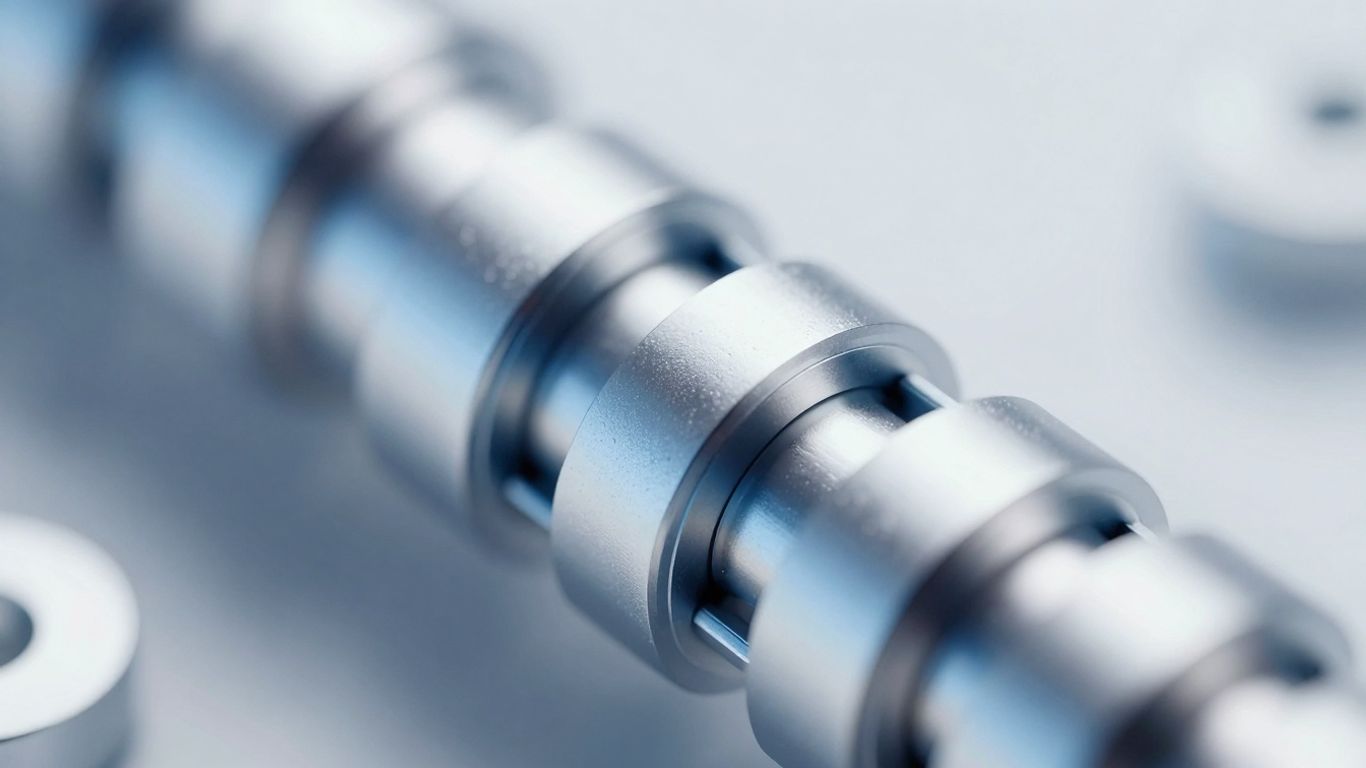
Hydraulic Polyurethane (PU) seals are getting a serious upgrade. We’re talking about materials that can handle way more pressure and extreme temperatures than before. Think about it, the old PU seals were good, but they had their limits. Now, engineers are developing new PU compounds that are tougher, more resistant to chemicals, and last a whole lot longer. This means hydraulic systems in heavy machinery, like excavators or industrial presses, can run more reliably without needing frequent seal replacements. These next-gen PU seals are designed to reduce friction too, which translates to better energy efficiency and less wear and tear on the whole system. It’s not just about making them stronger; it’s about making them smarter and more efficient for demanding jobs.
Exploring Unique Alternatives to Flexible Rubber Gaskets
Rubber gaskets have been around forever, and they work for a lot of things. But what happens when you need something that can handle really aggressive chemicals, or temperatures that would melt regular rubber? That’s where the innovation is happening. We’re seeing a move towards materials like advanced silicones, fluoropolymers (like PTFE), and even some specialized ceramic composites. These aren’t just off-the-shelf replacements; they’re engineered for specific, tough environments. For instance, in the chemical processing industry, a gasket that can withstand a constant bath of corrosive acids without degrading is a game-changer. These alternatives are opening up possibilities for equipment to operate in conditions that were previously too risky or simply impossible.
Advanced Polymer Composites in Sealing Technology
Polymer composites are really shaking things up in the sealing world. By blending different polymers with reinforcing materials like carbon fibers or glass fibers, manufacturers are creating seals with properties that single materials just can’t match. Imagine a seal that’s as flexible as rubber but has the strength and temperature resistance of metal. That’s the kind of thing these composites can achieve. They offer improved mechanical strength, better thermal stability, and enhanced chemical resistance. This means seals can be made thinner and lighter without sacrificing performance, which is a big deal for industries like aerospace where every ounce counts. Plus, these advanced materials can be molded into complex shapes, allowing for more intricate and effective seal designs that fit perfectly into tight spaces and prevent leaks more effectively than ever before.
Smart Technologies Revolutionizing Seal Performance
Innovative Technologies Enhancing Dhs Seals
It feels like just yesterday that seals were pretty basic, right? Now, thanks to some really neat tech, they’re way more efficient and fit for all sorts of jobs. A report from 2022 mentioned that the need for these high-performance seals is growing about 5.1% each year. This is mostly because of new materials and smarter designs. Think advanced polymer composites and smart sealing tech – they’re not just making seals last longer, but also saving folks money on fixes and upkeep.
The Impact of IoT on Sealing Applications
Industries like cars and planes are really getting into digital tech for their seals. Studies show that hooking up seals to the Internet of Things (IoT) has cut down on failures by about 30% and made things run smoother overall. It’s pretty wild how much of a difference it makes.
Here’s a quick look at what IoT brings to the table:
- Real-time Data: Get instant updates on how your seals are doing.
- Failure Prediction: Spot potential problems before they cause a breakdown.
- Efficiency Boosts: Keep systems running at their best with less downtime.
- Remote Management: Monitor and control seals from anywhere.
Real-Time Monitoring and Predictive Maintenance
This is where things get really interesting. We’re talking about seals that can tell you what’s wrong before it actually breaks. Imagine a seal on a big piece of industrial equipment. Instead of waiting for it to fail and cause a costly shutdown, smart seals can send alerts when they’re showing signs of wear or stress. This means maintenance crews can schedule a fix during a planned downtime, saving a ton of money and hassle.
The shift towards smart seals means we’re moving from a reactive approach to maintenance to a proactive one. It’s about preventing problems before they even start, which is a game-changer for keeping operations running smoothly and safely.
Enhancing Reliability and Operational Safety
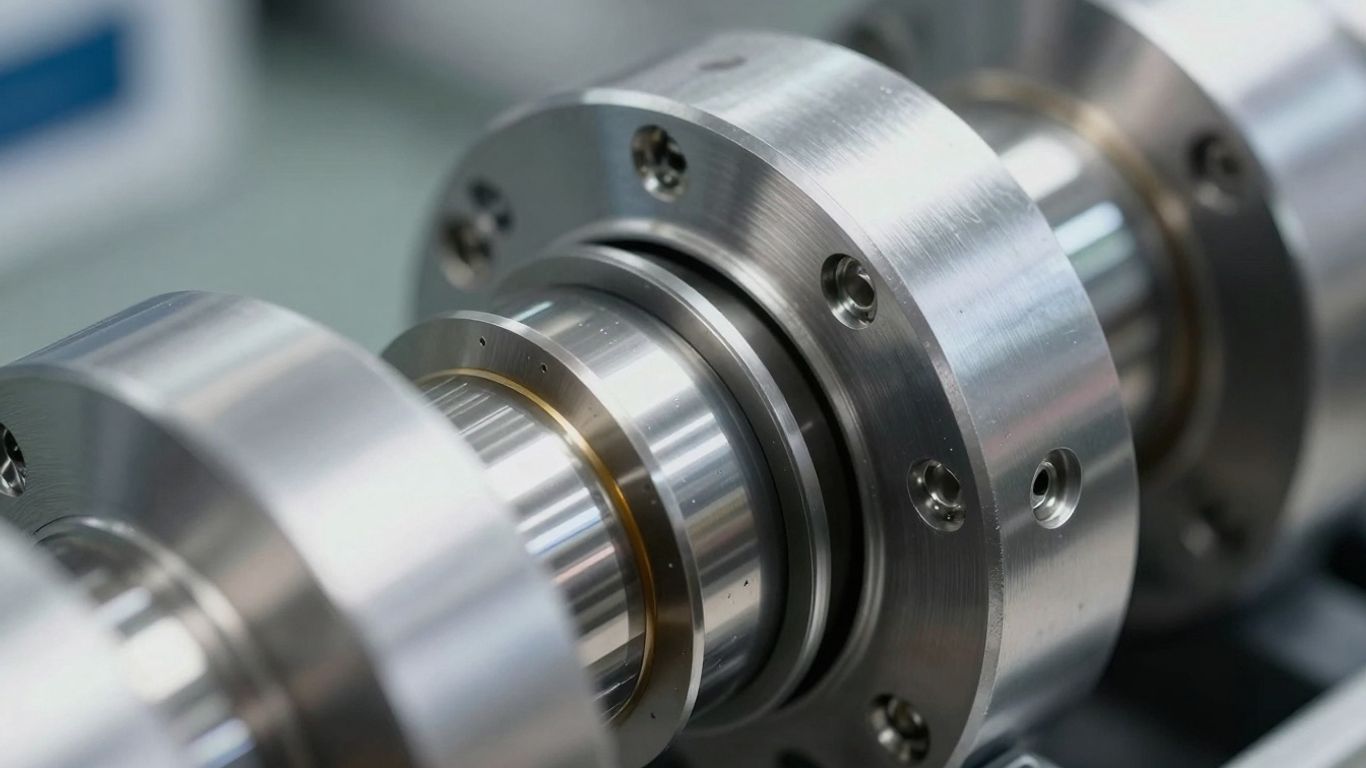
When we talk about keeping industrial operations running smoothly and safely, seals play a much bigger role than most people realize. It’s not just about stopping little drips; it’s about preventing serious problems before they even start. Think about it: equipment that doesn’t fail means fewer unexpected shutdowns, and fewer shutdowns mean fewer chances for workers to get hurt or exposed to nasty stuff.
The Critical Role of Seals in Industrial Safety
Safety in any workplace is a big deal, but it really ramps up when you’re dealing with chemicals or high-pressure systems. A seal’s main job is to keep things contained – fluids, gases, you name it – where they belong. When a seal fails, it can lead to spills. These spills aren’t just messy; they can create slip hazards, release toxic fumes, or even cause fires. A well-chosen and properly installed seal is a frontline defense against these kinds of incidents. It means fewer chemicals getting into the air or onto the floor, protecting everyone working nearby.
Preventing Leaks in Harsh Operating Conditions
Some places are just tough on equipment. We’re talking extreme temperatures, corrosive chemicals, or high pressures. In these environments, standard seals just won’t cut it. You need seals made from special materials that can stand up to the abuse. For example, in a chemical plant handling something like ammonia, a seal failure could be disastrous. That’s why engineers spend a lot of time figuring out the exact right seal for the job, often following strict guidelines like API 682. It’s all about making sure the seal does its job, day in and day out, no matter how rough things get.
Reducing Workplace Safety Incidents
Let’s break down how better seals directly lead to fewer accidents. It’s pretty straightforward, really.
- Fewer Spills: The most obvious benefit. Less leakage means less chance of slips, falls, or exposure to hazardous materials.
- Reduced Equipment Downtime: When equipment is reliable, it doesn’t break down as often. This means fewer times workers have to go into potentially dangerous areas to fix things.
- Less Exposure to Harmful Substances: Seals keep process fluids contained. This is super important when those fluids are toxic, flammable, or otherwise dangerous.
- Lower Risk of Process Upsets: A sudden leak can sometimes cause a chain reaction, leading to bigger problems. Good seals help keep the whole process stable.
The focus on preventing leaks goes beyond just keeping the plant clean. It’s about a proactive approach to safety, recognizing that even small failures can have significant consequences for people and the environment. Investing in reliable sealing technology is a direct investment in a safer working future.
It’s amazing how a small component like a seal can have such a large impact on the overall safety and reliability of an entire operation. When you get the sealing right, a lot of other potential problems just fade away.
Sustainability and Environmental Stewardship
Environmental Sustainability: The Role of Dhs Seals
When we talk about keeping things running smoothly in industry, it’s easy to focus on just efficiency and cost. But there’s a bigger picture, and that’s where seals really step up. DHS seals, and similar advanced sealing technologies, are becoming surprisingly important for keeping our planet a little cleaner. They’re not just about stopping leaks; they’re about preventing problems before they even start. Think about it: fewer leaks mean less wasted product, less energy used to process that product, and less chance of harmful substances getting out into the environment. It’s a pretty direct link to being more sustainable.
In sectors like renewable energy, these seals are working hard behind the scenes. In wind turbines, for instance, they keep out dust and moisture, making sure the machinery lasts longer and performs better. This means less downtime and fewer replacement parts needed, which all adds up to a smaller environmental footprint. It’s a similar story for solar panel systems. These seals help protect sensitive components, contributing to the overall reliability and longevity of green tech.
Reducing Process Water Consumption
Water is a precious resource, and industries are increasingly looking for ways to use less of it. Seals play a quiet but significant role here. By creating a tight barrier, they stop leaks in systems that use water for cooling, cleaning, or as part of a process. Even small drips can add up over time, leading to substantial water loss. Advanced seals are designed to maintain their integrity under pressure and over long periods, minimizing these kinds of losses.
Consider a large manufacturing plant. If pumps and pipes are sealed effectively, the amount of water lost through leaks can be drastically reduced. This not only conserves water but also cuts down on the energy needed to treat and pump that water in the first place. It’s a win-win for the operation and the environment.
Minimizing Environmental Impact Through Leak Prevention
Leaks are a major source of environmental concern across many industries. Whether it’s oil from a pump, chemicals from a processing line, or even just treated water, uncontrolled releases can cause significant damage. Seals are the first line of defense against these unwanted escapes.
Here’s a quick look at how effective sealing helps:
- Prevents Contamination: Stops hazardous materials from reaching soil, waterways, or the air.
- Conserves Resources: Reduces the loss of valuable raw materials, energy, and water.
- Improves Safety: Minimizes the risk of spills that could harm workers or the public.
- Reduces Waste: Less product lost means less waste generated overall.
The focus on leak prevention through better sealing isn’t just about meeting regulations; it’s about a proactive approach to environmental stewardship. It’s about designing systems with the understanding that even small leaks can have cumulative negative effects, and that robust sealing is a key part of responsible industrial practice.
Ultimately, the ongoing development of better sealing materials and smarter designs is directly contributing to a more sustainable industrial future. It’s a testament to how innovation in seemingly small components can have a large positive impact on our planet.
Tailored Sealing Solutions for Diverse Industries
Solutions for Gasket Applications in Diverse Industries
When you’re dealing with different industries, you can’t just slap the same old gasket on everything. Think about it: a gasket in a food processing plant needs to be super clean and safe for contact, while one in a chemical refinery has to handle some seriously nasty stuff. It’s all about matching the material and the design to the job. We’re seeing a lot of innovation here, moving beyond basic rubber to things like specialized polymers and composites that can take the heat, the pressure, and the chemicals without breaking down. The right gasket isn’t just about stopping leaks; it’s about making sure the whole system works safely and efficiently for years.
Here’s a quick look at how gasket needs change:
- Food & Beverage: Needs to be food-grade, non-toxic, and easy to clean. Think FDA-approved silicones or EPDM.
- Chemical Processing: Requires resistance to aggressive chemicals and high temperatures. Materials like PTFE or Viton are common.
- Automotive: Demands resistance to oil, fuel, and vibration, often using specialized synthetic rubbers.
- Aerospace: Needs to perform under extreme temperature fluctuations and pressure changes, often using high-performance elastomers.
Best Practices for Selecting Metric Seals for Optimal Performance
Picking the right metric seal can feel like a puzzle sometimes, especially with so many sizes and types out there. It’s not just about the diameter; you’ve got to think about the pressure, the speed of movement, and what kind of fluid it’s going to be in contact with. A seal that works great in a low-pressure hydraulic system might fail miserably in a high-speed rotary application. Getting the selection right the first time saves a ton of headaches and prevents costly downtime.
Here are a few things to keep in mind:
- Know your dimensions: Metric seals come in standard sizes, but always double-check the shaft and housing dimensions. A millimeter off can be a big problem.
- Consider the environment: What’s the temperature range? Is there exposure to UV light or ozone? These factors affect material choice.
- Fluid compatibility: Make sure the seal material won’t degrade when it touches the operating fluid. This is super important.
- Pressure rating: Seals have limits. Exceeding them will lead to leaks and premature failure.
Customizable Seals for Enhanced Brand Trust
Beyond just keeping things sealed, custom seals are becoming a real statement piece for businesses. Think about it: a unique color, a company logo, or a special serial number printed right on the seal. It’s not just about security; it’s about branding. When a customer receives a product secured with a seal that clearly shows it’s from your company and hasn’t been messed with, it builds confidence. This attention to detail shows you care about your product and your customer’s experience. It’s a small touch that can make a big difference in how your brand is perceived in a crowded market.
In today’s world, where supply chains can be long and complex, a visible, customized seal acts as a silent ambassador for your brand. It communicates quality, security, and a commitment to delivering exactly what was promised, right down to the last detail. This can be a real differentiator, especially when competing on more than just price.
The Evolving Landscape of Well Protection
How Innovative Covers Improve Water Quality and Safety
Old well covers, you know, the basic metal or wood ones? They’ve had their day. They tend to rust, they’re heavy, and honestly, they don’t always keep things out as well as they should. We’re talking about keeping dirt, bugs, and all sorts of unwanted stuff from getting into your water supply. Newer covers are really stepping up. They’re designed to create a much better seal, which is a big deal for keeping your water clean. Think about it: a good seal means fewer contaminants can sneak in. Plus, many are made from materials that don’t rust or break down easily, so they last longer and need less fuss.
- Better sealing mechanisms prevent debris and contaminants from entering.
- Materials like fiberglass and composite plastics resist rust and wear.
- Some designs include UV protection to stop algae growth inside the well.
- Tamper-evident features add a layer of security against vandalism or accidental contamination.
Keeping your well protected isn’t just about keeping water in; it’s about keeping everything else out. The right cover acts as the first line of defense for your water source.
Materials Shaping the Future of Well Protection
When we look at what well covers are made of now, it’s pretty different from what our grandparents might have used. We’re seeing a lot more fiberglass and polyethylene. These are great because they’re light, they don’t rust like metal, and they hold up well against the weather. Some companies are even making covers that look like natural rocks, which is kind of neat if you want it to blend in. For really tough spots, cast iron is still around because it’s super strong and hard to mess with. And for places that get really cold, insulated covers are becoming more common. They use materials like foam to stop the well from freezing up.
Here’s a quick look at some common materials:
| Material | Key Benefits |
|---|---|
| Fiberglass/Polyethylene | Lightweight, rust-resistant, durable |
| Composite Plastics | Strong, weather-resistant, often recycled content |
| Cast Iron | Very strong, tamper-resistant |
| Insulated Materials | Prevents freezing, maintains temperature |
Smart Monitoring Systems for Water Wells
This is where things get really interesting. We’re starting to see well covers that aren’t just passive barriers anymore. Some are coming with built-in sensors. These sensors can keep an eye on things like water levels, pressure, and even water quality in real-time. Imagine getting an alert on your phone if the water level drops too low or if something seems off with the quality. This kind of tech means you can catch problems early, before they become big issues. It’s all about making well management more proactive and less reactive. This shift towards smart monitoring is making well systems more reliable and easier to manage than ever before.
Wrapping It Up
So, looking at all this, it’s pretty clear that well seals are getting a major upgrade. We’re moving past just basic protection to seals that are smarter, tougher, and way more reliable. Think about the new materials and the tech being packed into them – it’s all about making things last longer, work better, and reducing waste. Whether it’s keeping industrial equipment running smoothly or making sure our water stays clean, these advanced seals are quietly doing some really important work. It’s exciting to see how these small but mighty parts are helping industries become safer and more efficient, and honestly, it feels like we’re just scratching the surface of what’s possible.
Frequently Asked Questions
What are the newest kinds of seals being made?
New seals are being made with super strong materials, like special plastics and rubber blends, that can handle really hot or cold temperatures and tough conditions. They’re also getting smarter with built-in sensors to track how they’re doing.
How do smart seals help machines work better?
Smart seals use technology like the internet (IoT) to send information about their condition. This helps us know if a seal is about to break before it actually does, so we can fix it early and stop problems from happening. This also means machines don’t break down as often.
Why are good seals important for safety?
Seals are like the guards that stop dangerous liquids or gases from leaking out of machines. If a seal fails, it could cause spills that hurt people or the environment. So, strong and reliable seals are super important for keeping everyone safe at work.
How do seals help protect the environment?
By stopping leaks, seals prevent harmful chemicals or fluids from getting into the ground or water. Some new seals even use special fluids that are safe for the environment if a small leak does happen. This helps save water and keeps our planet cleaner.
Can seals be made specially for different jobs?
Yes, absolutely! Seals can be made in many different shapes and sizes, using different materials, to fit exactly what a specific machine or industry needs. This makes sure they work the best they can, whether it’s for a car, a factory, or even a water well.
How do new well covers keep water safe?
New well covers fit much tighter to keep out dirt, bugs, and anything else that could make the water dirty. Some even have sensors to check the water quality all the time, making sure the water you drink is clean and safe.