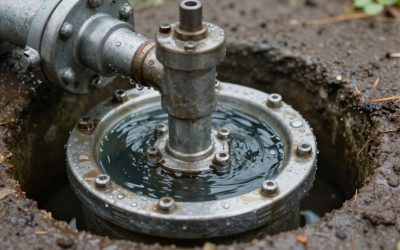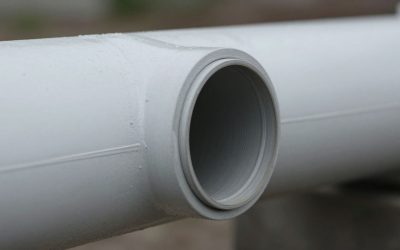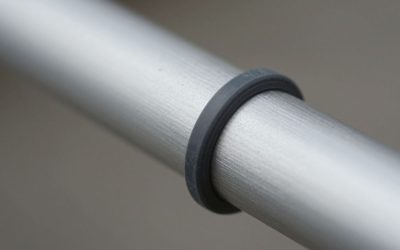
So, you’ve got a project that’s a little… different. Maybe the pipes aren’t standard sizes, or the environment is harsher than usual. It’s situations like these where off-the-shelf seals just won’t cut it. This is where custom seals come in. They’re not just a backup plan; they’re often the only way to get a job done right, especially when you need things to be reliable and last. We’re going to look at how well seals can be customized for unique installations and what that really means for you.
Key Takeaways
- Custom seals are made specifically for your unique situation, unlike standard ones that fit general needs.
- When standard seals don’t work because of odd shapes, sizes, or tough conditions, custom solutions are the answer.
- Companies can help design and make seals using special materials and designs for tough jobs.
- There are different kinds of custom seals, like ones that are extruded, spliced, or made from metal.
- Sometimes, figuring out if you need a custom seal involves talking to experts who understand how things work and fail.
Understanding Custom Seal Solutions
Defining Custom Seals for Unique Applications
Custom seals are designed specifically to fit the needs of a certain application, especially when standard off-the-shelf options just don’t make the cut. You might run into unusual sizes, special shapes, or demands for particular resistance to chemicals, pressure, or temperature that existing seals simply can’t handle.
- Created for precise fit in odd or challenging geometries
- Address needs for materials that standard seals don’t offer
- Solve problems for industries like food processing, aerospace, or utilities, where safety and precision matter
With custom seals, you get a product designed just for your equipment, making installation smoother and more secure.
Benefits of Tailored Sealing
There are some great reasons to opt for custom sealing solutions rather than sticking with generic ones:
- They solve problems stock seals can’t touch, allowing for a perfect fit with fewer leaks
- Can lower maintenance time and costs over the long haul
- Support longer equipment life by minimizing wear and corrosion
- Help meet tough standards or pass regulations for special projects
Here’s a quick comparison of standard vs. custom seals:
| Factor | Standard Seals | Custom Seals |
|---|---|---|
| Fit | General sizes | Precise, application-specific |
| Availability | Immediate | Lead time for design/make |
| Initial Cost | Lower | Higher |
| Long-Term Savings | Moderate | Can be significant |
| Solves Unique Needs | Rarely | Frequently |
Innovative Material and Design Possibilities
One big advantage of a custom seal is the freedom in materials and design:
- Access to specialized elastomers, thermoplastics, or even metal options
- Mix and match shapes like L-profiles, tubes, corners, or multi-part assemblies
- Add features, like splicing for long runs, or coatings to handle unique fluids
- Tailor hardness, texture, or color as needed
Engineers often experiment with different compounds and shapes to hit on that perfect balance between flexibility, durability, and sealing power. Sometimes the answer is as simple as getting the size right; other times, it’s about inventing a new construction no one’s tried before.
When you need a custom seal, almost anything is possible—as long as you know what you’re asking for and who to ask.
Tailoring Seals to Specific Installation Challenges
Addressing Non-Standard Dimensions and Geometries
Sometimes, the openings you need to seal just aren’t perfectly round or a standard size. This happens a lot in older buildings or when equipment has been modified over time. Standard seals, the ones you find off the shelf, are usually made for nice, uniform shapes. When you’ve got an odd-shaped conduit, a pipe that’s slightly oval, or an opening that’s just a bit too big or too small, a regular seal just won’t cut it. You end up with gaps, and where there are gaps, leaks happen. This is where custom seals really shine. They’re designed from the ground up to fit your exact opening, no matter how weird the shape or size. Think of it like getting a custom suit versus buying one off the rack – the custom one just fits better.
Adapting Seals for Extreme Environments
Not all installations are in a nice, climate-controlled room. Many have to deal with some pretty rough conditions. We’re talking about places with extreme temperatures, whether that’s freezing cold or scorching hot. Then there are environments with harsh chemicals that can eat away at regular materials, or high-pressure situations where a seal needs to hold tight. Standard seals might work for a while, but in these tough spots, they can break down fast. Custom seals can be made with special materials – like advanced elastomers or composites – that are built to handle these specific challenges. This means they last longer and keep things sealed up right, even when things get tough.
Custom Solutions for Renovation and Retrofit Projects
Working on existing structures, like renovating an old factory or upgrading a building’s infrastructure, often presents unique sealing problems. You might find openings that weren’t designed with modern sealing in mind, or pipes that have been altered over the years. Trying to force a standard seal into these situations can be a real headache, leading to leaks and more work down the line. Custom seals are a lifesaver here. They can be engineered to fit existing, non-standard openings without requiring major structural changes. This saves time, money, and hassle, making sure the old structure can be updated and protected effectively.
Here’s a quick look at why custom seals are often the go-to for these tricky jobs:
- Exact Fit: They’re made to the precise dimensions of your opening.
- Material Choice: You can pick materials that resist the specific environmental factors.
- Problem Solving: They tackle unique geometry or integration issues that standard parts can’t.
- Longevity: Designed for the specific conditions, they tend to last much longer.
When you’re dealing with a renovation, the goal is usually to improve things without creating new problems. Using a seal that doesn’t quite fit or isn’t made for the environment is a recipe for future leaks and costly repairs. Custom solutions are about getting it right the first time, even when the starting point isn’t perfect.
Expertise in Custom Seal Engineering
When you’re facing a sealing challenge that standard parts just can’t handle, it’s time to bring in the pros. That’s where custom seal engineering comes into play. It’s not just about making a seal that fits; it’s about making one that works perfectly for your specific situation, no matter how weird or tough it might be. This involves a few key areas where specialized knowledge makes all the difference.
Application Engineering for Optimal Performance
This is all about understanding exactly how and where the seal will be used. Think of it like a tailor fitting a suit – they don’t just measure your waist; they look at your shoulders, your posture, everything. Application engineers do the same for seals. They consider things like:
- Operating Conditions: What temperatures will it face? What pressures? What kind of fluids or chemicals will it be exposed to?
- Gland Design: How is the space where the seal will sit actually shaped? Are there any tight spots or unusual angles?
- Installation Process: How will the seal be put in place? Does it need to be flexible enough to stretch, or rigid enough to hold its shape?
- Expected Lifespan: How long does this seal need to last before it needs checking or replacing?
Getting the application engineering right upfront means the seal will perform as expected, saving you headaches and money down the line. It prevents premature wear and tear and stops leaks before they even start.
Material Science for Enhanced Durability
Choosing the right material is just as important as the shape and size. Standard seals often use common rubber compounds, but for unique installations, you might need something special. This is where material science comes in. We look at advanced polymers and composites that can stand up to:
- Extreme Temperatures: From freezing cold to scorching heat.
- Aggressive Chemicals: Acids, solvents, or other harsh substances.
- High Pressures: Where standard materials might compress or fail.
- Abrasion Resistance: If the seal will rub against moving parts.
For example, a seal needing to withstand jet fuel at high temperatures might require a specific type of fluoroelastomer (FKM) or even a perfluoroelastomer (FFKM), which are much more robust than standard nitrile rubber. The goal is to match the material’s properties precisely to the demands of the environment.
Reverse Engineering for Replication Needs
Sometimes, you have an old piece of equipment, or a part that’s no longer made, and you need a seal for it. You might not have the original drawings or specifications. That’s where reverse engineering is a lifesaver. It involves:
- Careful Measurement: Precisely measuring the existing seal or the space it fits into.
- Material Analysis: If possible, testing the old seal material to understand its properties.
- Design Reconstruction: Using the measurements and analysis to recreate the original design or create a functional equivalent.
This process is vital for maintaining older machinery or replicating parts for specialized applications where off-the-shelf solutions simply don’t exist. It ensures that even legacy systems can continue to operate reliably with properly functioning seals.
By combining these three areas – understanding the application, selecting the right materials, and being able to recreate designs when needed – custom seal engineering provides solutions that standard parts can’t touch. It’s about precision, performance, and making sure things stay sealed, no matter what.
Specialized Custom Seal Types
Custom Extruded and Spliced Seals
When you need a seal that’s not just a simple loop, custom extrusion and splicing come into play. This is how you get seals for really complex shapes, like corners or even three-dimensional forms, that standard processes just can’t handle. Think of gaskets for enclosures with odd angles or where space is really tight. The cool part is that the tooling needed for extrusion is often pretty minimal, and the final product usually looks clean, without those rough edges or lines you sometimes see on other seals.
Bespoke Face and Metal Seals
Face seals are used in static connections, like between flanges, to stop leaks. Sometimes, you need something really specific for these. That’s where bespoke face seals shine. They’re designed from the ground up for a particular job. Similarly, custom metal seals are built for unique situations. We’re talking about seals made from special alloys, designed to handle super high pressures and temperatures where regular seals would just give up. They’re often made to meet very specific industry standards, like those used in aerospace, for example.
Engineered Elastomer Shapes
Beyond just extruding profiles, engineers can create entirely unique shapes out of rubber or other elastomers. This means you can get a seal that perfectly matches a non-standard groove or a complex mating surface. It’s all about designing the elastomer to fit the exact need, whether that’s for a specific function, a particular environment, or just to integrate better with the machinery it’s part of. The possibilities here are pretty much limitless when you’re not constrained by standard molds.
Sometimes, the simplest-looking problems require the most thought. When a standard part just won’t cut it, looking at how a seal is shaped and what it’s made of can make all the difference. It’s about getting that perfect fit and function, no matter how unusual the setup.
Here are a few examples of what makes these specialized seals stand out:
- Complex Geometries: Seals can be formed into intricate shapes, including multi-cornered profiles and 3D designs.
- Material Variety: A wide range of elastomers and metals can be used, chosen for specific resistance to chemicals, temperatures, or pressures.
- Precision Fit: Engineered to exact dimensions, ensuring a tight seal even in challenging environments.
- Integrated Functionality: Seals can be designed with features that go beyond just blocking leaks, like vibration dampening or electrical conductivity.
When Standard Seals Fall Short
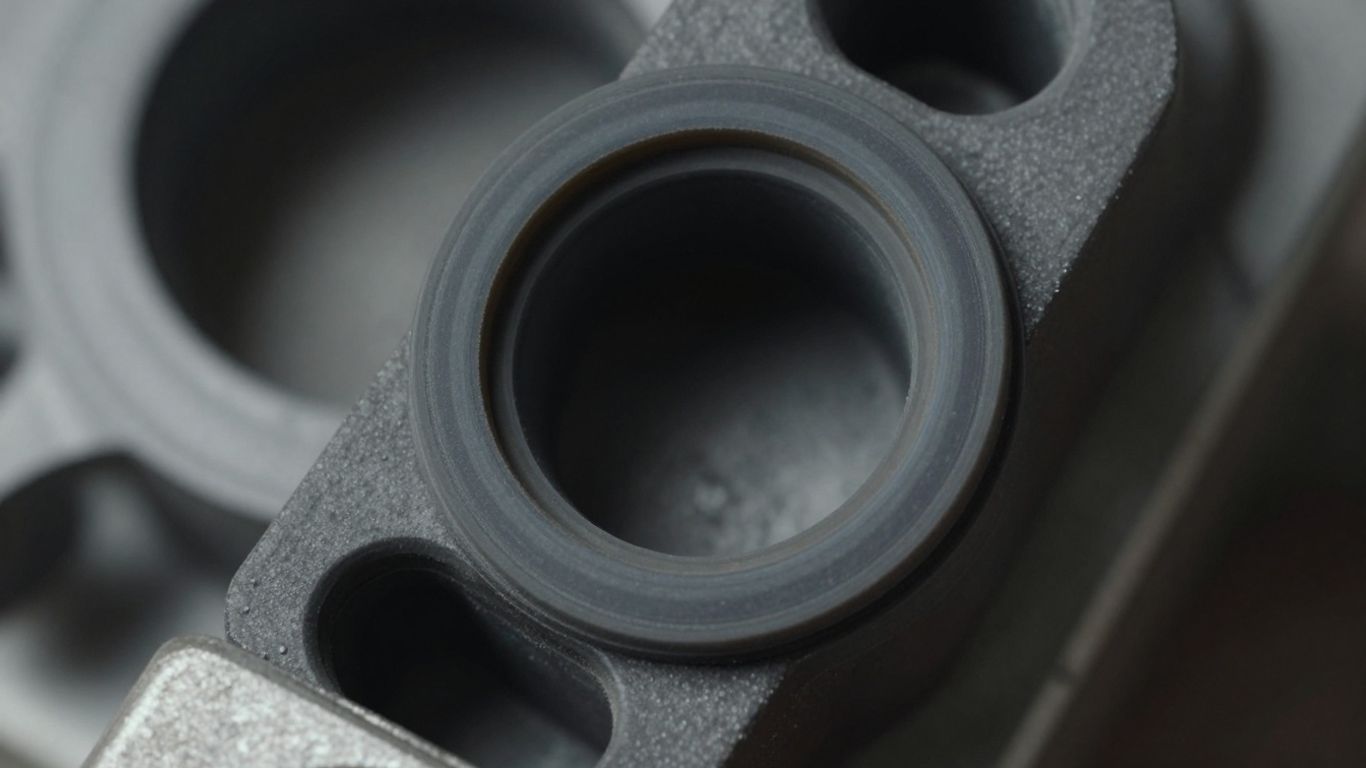
Sometimes, the off-the-shelf seals just won’t cut it. You know, the ones you can grab from a catalog or a local supplier? They’re great for a lot of common jobs, designed to fit standard pipes or equipment and work under typical conditions. They’re usually cheaper and get to you fast, which is a big plus when you need a quick fix. But what happens when your situation is a bit… different?
Identifying Limitations of Stock Seals
Standard seals are built for uniformity. Think of them like a one-size-fits-all t-shirt – it works for many, but not everyone. If your pipes aren’t perfectly round, or if they’re an unusual size, a standard seal might not create a tight enough barrier. The same goes for really tough environments. If you’re dealing with extreme heat, freezing cold, harsh chemicals, or super high pressure, a regular seal might break down way too soon. This is where you start seeing leaks, premature wear, and ultimately, costly failures. It’s not that the standard seal is bad; it’s just not the right tool for a specialized job.
Here are a few common scenarios where standard seals often fall short:
- Non-Standard Dimensions: Pipes or equipment that deviate from common diameters, shapes (like oval or square), or have unique flange configurations.
- Extreme Operating Conditions: Environments with temperatures outside the typical range, aggressive chemical exposure, high vacuum, or extreme pressure.
- Complex Geometries: Installations involving multiple different pipe sizes connected, or where the seal needs to accommodate irregular surfaces.
- Long-Term Durability Needs: Applications where frequent replacement is impractical or prohibitively expensive, requiring a seal designed for extended service life.
The Role of Reliability Consulting
When you hit these kinds of roadblocks, it’s time to bring in the pros. Reliability consulting is like having a detective for your equipment. These experts look at why your current seals aren’t working and figure out what will work. They don’t just guess; they analyze the specific demands of your application – the pressure, the temperature, the fluids involved, the physical stresses. They can tell you if a standard seal is almost right but needs a tweak, or if you’re in completely custom territory. It’s about making sure you don’t waste time and money on a solution that’s doomed from the start.
Sometimes, the most cost-effective solution isn’t the cheapest one upfront. Investing in a seal that’s engineered for your exact needs can save a fortune down the line by preventing downtime and repeated repairs.
Choosing Between Custom and Standard Options
So, how do you decide? It really comes down to a few key questions. What are the exact conditions the seal will face? How long does it need to last? What’s the cost of failure, not just in parts, but in lost production or potential damage? If the answer to any of these points suggests a standard seal might struggle, it’s probably time to look at custom options. Standard seals are fantastic for their speed and cost-effectiveness in common applications. But for anything outside the norm, a custom-engineered seal is often the only way to guarantee a reliable, long-lasting solution. It’s about matching the seal to the job, not forcing the job to fit the seal.
Successful Custom Seal Installations
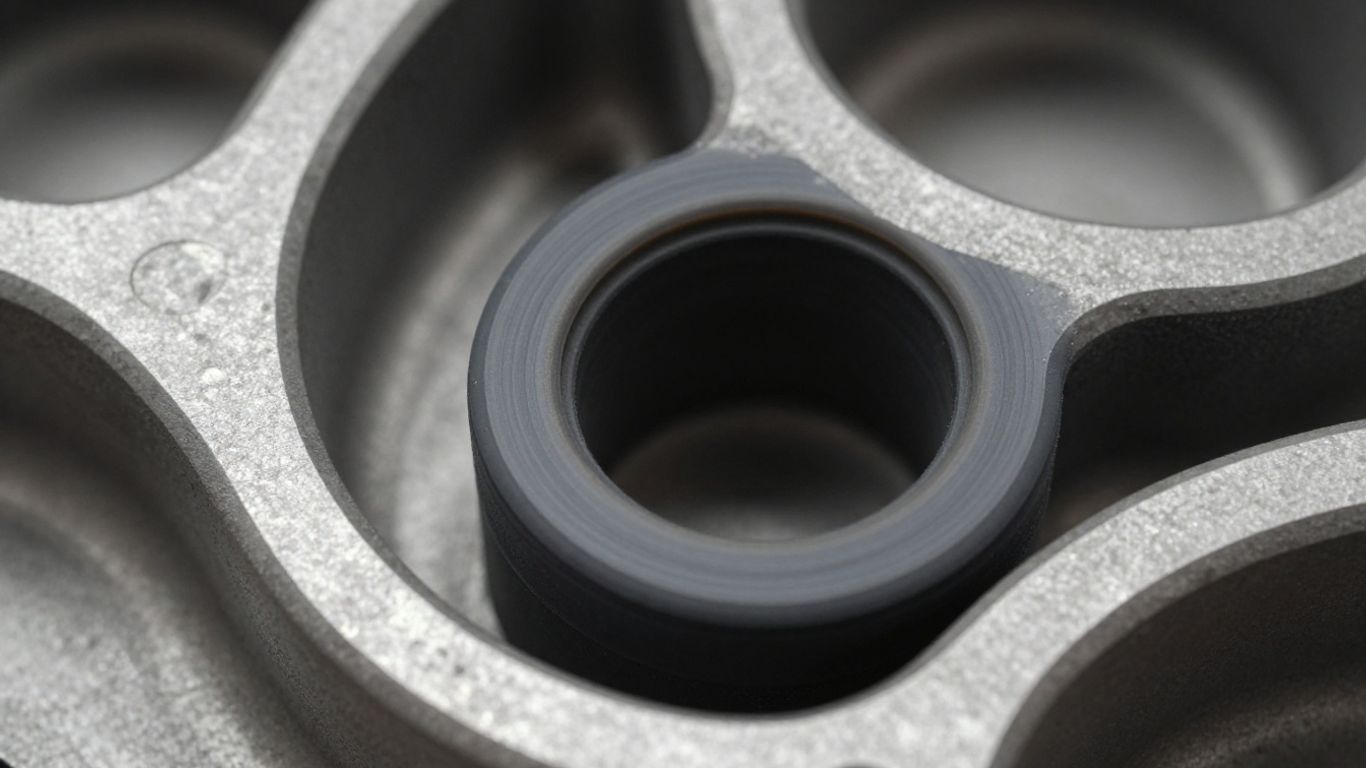
Sometimes, you just can’t get away with a standard, off-the-shelf seal. That’s where custom solutions really shine. We’re talking about those tricky jobs where the equipment or the environment throws a curveball, and a regular seal just won’t cut it. These aren’t just theoretical possibilities; they’re real-world fixes that keep critical systems running.
Sealing Irregularly Shaped Conduits
Imagine a sewer line with pipes that aren’t perfectly round. Maybe they’re oval, or perhaps they’ve warped over time due to ground pressure or age. Standard seals are designed for consistent shapes, so they just won’t create a watertight barrier here. This is where custom-engineered seals come into play. They’re designed to conform to the exact, non-standard shape of the conduit. For instance, a project might involve repairing a pipe that’s developed an irregular profile. Instead of trying to force a round seal into an odd shape, a custom seal is molded or fabricated to match the pipe’s unique contours precisely. This ensures a complete seal, preventing leaks and protecting the surrounding environment.
Interlocking Seals for Varied Diameters
Another common challenge pops up when different-sized pipes need to connect. Think about a situation where a 54-inch pipe needs to join a 60-inch pipe. A single seal won’t bridge that gap effectively. In these cases, engineers might design a system using multiple custom seals that interlock with each other. This creates a robust, watertight connection that accommodates the transition between diameters. It’s a clever way to handle these complex junctions, ensuring the integrity of the entire system without resorting to expensive and disruptive full pipe replacements.
Underwater and Extreme Condition Applications
Then there are the jobs that take place in environments that are just plain tough. We’re talking about seals that need to perform flawlessly underwater, or in places with extreme temperatures or corrosive substances. For example, a repair might need to happen with the pipe section completely submerged. A custom seal can be designed not only to fit the pipe’s shape but also to withstand constant water pressure and potential chemical exposure. Testing these seals, even underwater, is part of the process to confirm they hold up. These aren’t your everyday seals; they’re built for survival and reliability when the stakes are high and the conditions are unforgiving.
Wrapping It Up
So, when you run into a sealing job that just doesn’t fit the standard mold, remember that custom solutions are out there. It might seem like a bigger deal at first, but getting a seal made just for your situation can save you a lot of headaches down the road. Whether it’s a weird shape, extreme conditions, or just a tricky spot, there are companies ready to help design and build exactly what you need. Don’t settle for ‘good enough’ if ‘perfect’ is achievable and will make your project last longer and work better. It’s all about finding that right fit for the long haul.
Frequently Asked Questions
What exactly is a custom seal?
A custom seal is like a special puzzle piece made just for a specific job. Unlike regular seals you can buy off the shelf, these are designed from scratch to fit perfectly in unique spots or handle tough conditions that standard seals can’t manage. Think of it as a tailor-made suit versus one bought from a department store.
Why would I need a custom seal instead of a regular one?
You might need a custom seal if your equipment has weird shapes, needs to work in super hot or cold places, or has to deal with strong chemicals. Standard seals are great for normal jobs, but when things get tricky, a custom seal is the only way to make sure everything stays sealed up tight and works right.
Are custom seals much more expensive than standard ones?
Sometimes, custom seals cost more at first because they’re made specially for you. But, they often save you money in the long run! Because they fit better and work better, they don’t wear out as fast and you won’t have to replace them as often. This means less fixing and less downtime, which is a big money saver.
What kind of special materials can custom seals be made from?
Custom seals can be made from all sorts of advanced materials. Some can handle extreme heat, others are great with tough liquids, and some are super strong and last a really long time. Companies that make custom seals know a lot about these materials and can pick the best one for your specific needs.
How do companies design these custom seals?
Experts, called engineers, work with you to figure out exactly what you need. They look at your equipment, the environment it’s in, and any problems you’re having. Then, they use their knowledge of design and materials to create a seal that will do the job perfectly. Sometimes they even look at old seals that didn’t work to figure out how to make a better one.
Can custom seals be used for old buildings or repairs?
Yes, absolutely! When you’re fixing up an old building or equipment, the holes or spaces might not be standard sizes. Custom seals are perfect for these situations. They can be made to fit those odd shapes and sizes, making sure the repair is strong and the area stays sealed, just like new.