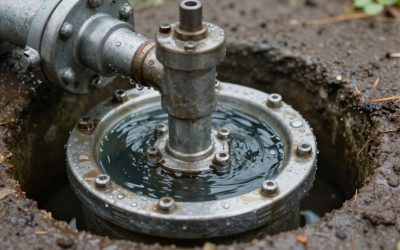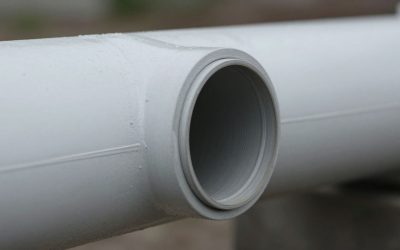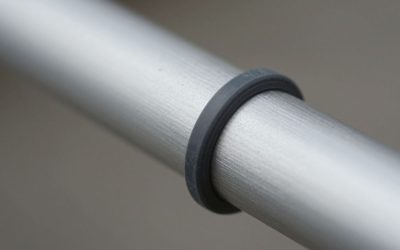
You know, seals are those unsung heroes in so many machines and processes. They might seem small, but they do a lot. We’re talking about how well seals reduce the risk of chemical contamination, which is a pretty big deal in a lot of industries. If a seal isn’t up to the job, things can go wrong pretty fast, from leaks to serious safety issues. Let’s break down why getting the right seal is so important.
Key Takeaways
- Picking the right seal material is super important. Using the wrong stuff can make seals swell, crack, or even dissolve, leading to leaks and contamination.
- In places like pharma manufacturing, seals are key to keeping products pure and preventing outside gunk from getting in. They also help keep things clean and meet strict rules.
- Good seals act like barriers, stopping dangerous chemicals or gases from escaping. This makes workplaces safer and helps avoid fires or explosions in risky areas.
- Seals help industries follow environmental rules by stopping leaks that could harm soil or water. This means less pollution and a cleaner planet.
- New seal materials and designs are always coming out, making them tougher, more resistant to chemicals, and better at their job, especially in tough conditions like high heat.
Understanding Seal Material Compatibility
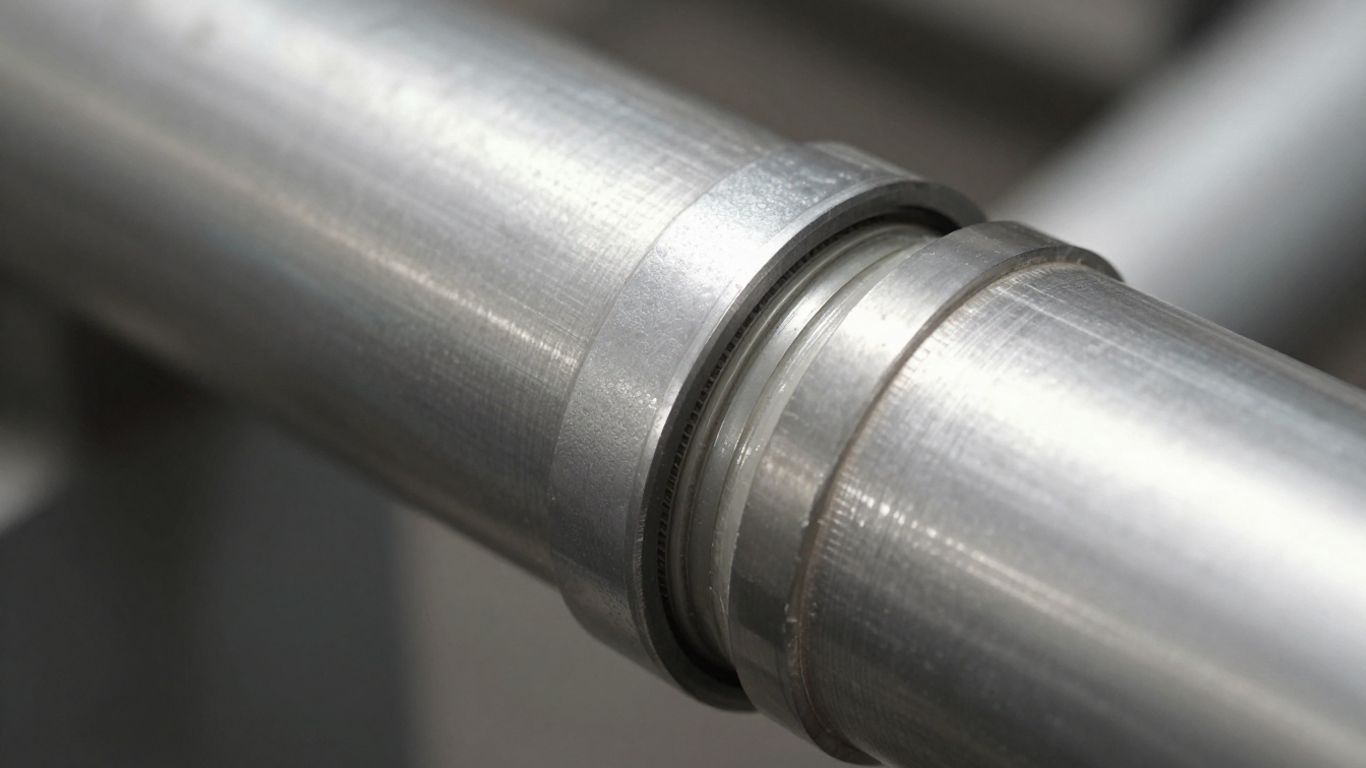
The Critical Role of Chemical Compatibility in Seal Performance
Seals are small parts, but they do a really big job in keeping systems running right. They have to handle all sorts of chemicals without falling apart. This is super important in places like chemical plants, drug manufacturing, and even food processing. If you pick the wrong seal material, you can end up with anything from small problems to major equipment meltdowns. The right seal material keeps things from leaking and stops unwanted stuff from getting into your product. It needs to stay in shape and flexible, even when things get hot or the pressure is high. Picking a material that plays nice with the chemicals it touches means the seal will last longer and work better.
Consequences of Incompatible Seal Materials
Using a seal that doesn’t get along with the chemicals around it can cause a bunch of issues. Here are some common ones:
- Swelling: Some materials soak up chemicals and get bigger. This can make moving parts stick, make it hard to put things together, and stop the seal from doing its job.
- Dissolution: Really harsh chemicals can actually eat away at the seal material, making it weak and causing it to fail way too soon.
- Cracking and Brittleness: Exposure to certain chemicals, or even things like ozone and UV light, can make seals hard and brittle. They might crack or get little lines on the surface, which means leaks are pretty much guaranteed.
- Discoloration: If a seal changes color, it might seem minor, but it can be an early warning sign that the material is breaking down. In sensitive industries, this could mean contamination.
When a seal fails because of chemical incompatibility, it’s not just about replacing a part. It can lead to product loss, expensive cleanup, and even put people at risk if hazardous materials escape.
Identifying Early Signs of Seal Degradation
Catching problems early can save a lot of headaches. Keep an eye out for these signs:
- Visual Changes: Look for any changes in the seal’s appearance. This includes swelling, shrinking, cracking, or a change in color. Even a slight discoloration can be a hint that something’s not right.
- Changes in Performance: Notice if equipment starts acting differently. Are there new noises? Is there more friction than usual? Is a valve harder to turn? These could be signs that a seal is no longer performing as it should.
- Leakage: This is often the most obvious sign. Small drips or visible moisture around the seal area mean it’s no longer creating a tight barrier. Don’t wait for a big leak to happen; address small signs immediately.
Preventing Contamination and Ensuring Purity
When you’re dealing with sensitive products, especially in fields like pharmaceuticals or food production, keeping things clean isn’t just a good idea – it’s the whole ballgame. Seals are like the gatekeepers, stopping unwanted stuff from getting into your process and messing with your product. They’re pretty important for keeping everything pure and up to snuff.
How Seals Maintain Product Integrity in Pharmaceutical Manufacturing
In drug making, purity is everything. Seals are used in all sorts of equipment – think reactors, mixers, and filling machines – to create a barrier. This barrier stops microbes, dust, or any other gunk from the outside world from getting in. It also stops the product from leaking out, which is just as bad. A good seal means a clean product, every single time. This is especially true during sensitive steps like sterile filtration or when the product is being transferred between vessels. Without reliable seals, you’re basically leaving the door open for contamination, which can ruin entire batches and lead to serious problems with regulators.
Ensuring Hygienic Conditions with Effective Sealing
Keeping a manufacturing area hygienic involves a lot more than just wiping things down. Seals play a big part in this. They need to be made of materials that don’t break down when you clean them with harsh chemicals or when they get blasted with steam during sterilization. Plus, the design matters. Some seals have features that make them easier to clean and less likely to trap tiny bits of product or bacteria. Think about it: if a seal has nooks and crannies, that’s a perfect spot for germs to hang out. So, choosing the right seal means picking one that’s not only effective at stopping leaks but also easy to keep clean and sterile.
Here’s a quick look at what makes a seal suitable for hygienic applications:
- Material Safety: Must be approved for contact with food or drugs (like FDA or USP Class VI certified materials).
- Smooth Surfaces: Designed to minimize areas where contaminants can collect.
- Chemical Resistance: Able to withstand frequent cleaning and sterilization cycles.
- Low Extractables/Leachables: Doesn’t release any substances into the product.
The goal is to create a closed system where the product is protected from the environment and the environment is protected from the product. Seals are a key part of making that happen reliably.
Regulatory Standards for Critical Process Sealing
Because the stakes are so high in pharmaceutical and food production, there are strict rules about the seals you can use. These aren’t just suggestions; they’re requirements. Standards like FDA 21 CFR 177.2600 and USP Class VI certification tell you that the seal material is safe and won’t react with your product or cause harm. There are also standards for quality management, like ISO 9001, which means the manufacturer has good processes in place. For European markets, you might need to meet European Pharmacopeia standards. These regulations mean that the seals used in critical parts of the manufacturing process have to be top-notch and fully documented. It’s all about making sure that the seals themselves don’t become a source of contamination or compromise the safety of the final product.
Enhancing Operational Safety and Reliability
Seals as Barriers Against Hazardous Emissions
A properly installed seal doesn’t just close a gap – it’s the first line of defense against dangerous leaks in industrial settings. By stopping vapor, gas, or liquid from slipping through, seals help keep toxic or flammable substances contained. Working around chemicals all day, you depend on these small but mighty bits of technology more than you realize. Even a minor leak can have outsized consequences: equipment damage, regulatory fines, and real risk to people nearby. Every seal failure matters, so choosing the right material and design is more than a technical decision; it’s a safety issue.
Table: Typical Hazardous Emissions Prevented by Proper Sealing
| Substance | Common Industry | Key Risk Mitigated |
|---|---|---|
| Ammonia | Refrigeration | Toxic exposure |
| Hydrogen sulfide | Chemical plants | Asphyxiation, corrosion |
| Volatile organics | Petrochemical | Fire, health hazards |
When seals do their job, they lock in hazardous materials, building a safer workspace and protecting those on the clock.
Mitigating Risks in Explosive Environments
In places where a tiny spark could trigger a disaster, every detail counts. This is especially true in environments with explosive dust or gas clouds. A seal with a slight defect can allow flammable vapors to seep into areas where they shouldn’t be. That’s why seals in high-risk areas are made from specialized materials and meet strict performance standards.
Bullet points: How proper sealing reduces explosive risks
- Limits oxygen exposure to explosive materials
- Keeps volatile substances separated from ignition sources
- Complies with ATEX and similar safety norms
There’s no shortcut here: safety audits often focus on the quality and maintenance schedule of seals as a key check before approving operations.
The Impact of Seal Failure on Equipment and Personnel
It’s easy to underestimate what one small seal can do, but once a seal goes bad, you feel the effects quickly. Leaks can halt production, cause machinery breakdowns, and even trigger workplace evacuations. For staff, exposure to hazardous leaks isn’t just uncomfortable—it’s outright dangerous. Some chemicals injure with a single breath. And on top of the personal risk, leaks often mean big repair bills and lost operating hours.
Common impacts of seal failure:
- Unplanned equipment downtime
- Increased maintenance and repair costs
- Safety incidents, including chemical exposure
- Environmental fines or regulatory headaches
- Long-term damage to machinery from ongoing leaks
Regardless of plant size or product, one thing stays the same: Faulty seals bring risk—fast. That’s why regular inspection and quick replacement are worth every minute spent, keeping both equipment and people safe.
Environmental Protection Through Advanced Sealing
Meeting Emissions Control Regulations with Seals
Lots of industries have rules they have to follow about what they can release into the air and water. Think about factories or places that handle chemicals – they can’t just let stuff leak out. That’s where good seals come in. They act like a solid barrier, stopping harmful gases or liquids from escaping into the environment. These seals are key to staying compliant with environmental laws and avoiding hefty fines. It’s not just about following the rules, though; it’s about doing our part to keep the planet cleaner.
Minimizing Environmental Impact Through Leak Prevention
When equipment leaks, it’s not just a nuisance; it’s a waste of resources and can cause real damage. Imagine a chemical plant where a seal fails – that could mean losing valuable product and potentially polluting the surrounding area. Better seals mean fewer leaks. This translates to less wasted material, which is good for the company’s bottom line and even better for the environment. It’s a simple concept: less leakage equals less environmental harm. We’re talking about everything from small drips to bigger spills that can really mess things up.
Preventing Soil and Water Contamination
This is a big one, especially for industries like oil and gas or any place that stores or transports liquids that could be harmful. If a pipeline or a storage tank isn’t sealed properly, those liquids can seep into the ground, contaminating the soil and eventually making their way into our water sources. It’s a serious problem that can take years and a lot of money to fix. Using the right seals is a proactive way to prevent this kind of contamination from happening in the first place. It’s about protecting the land and the water we all rely on.
The integrity of industrial operations is directly tied to the effectiveness of their sealing systems. Beyond operational efficiency, these components serve as the first line of defense against environmental degradation. Choosing and maintaining appropriate seals is not merely a technical decision but a commitment to environmental stewardship and regulatory adherence.
Innovations in Seal Technology
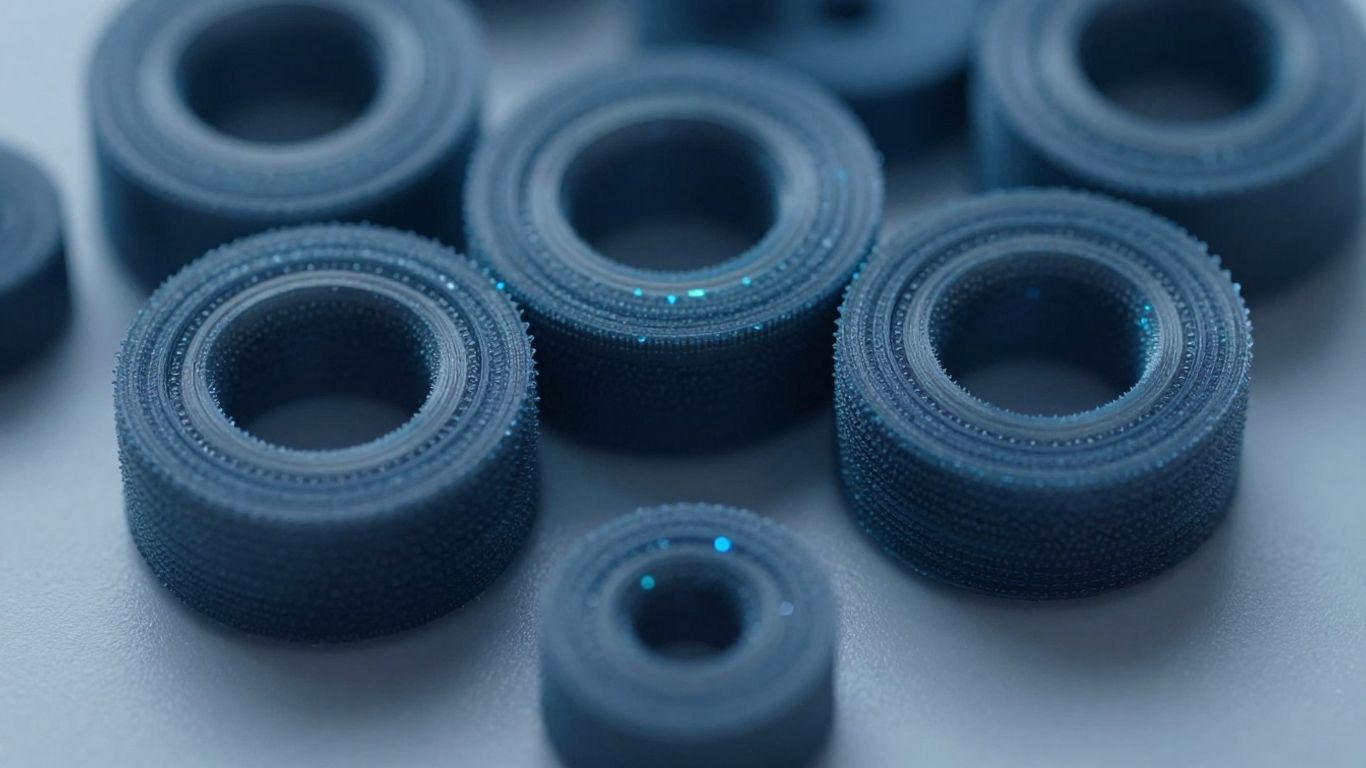
Advances in Material Science for Enhanced Durability
It feels like every day there’s some new material being invented, and the world of seals is no different. Companies are constantly cooking up new compounds that can handle way more than older seals ever could. We’re talking about materials that laugh in the face of extreme heat, corrosive chemicals, and just general wear and tear. Think about advanced polymers and specially engineered elastomers – these aren’t your grandma’s rubber seals anymore. They’re designed to last longer, perform better, and keep things sealed up tight, even when the going gets really tough.
New Seal Designs for Improved Performance
Beyond just the stuff seals are made of, the way they’re actually designed is changing too. Engineers are coming up with clever new shapes and configurations that make seals work even better. This could mean seals that create a more consistent seal pressure, designs that are easier to install correctly (which, let’s be honest, is a big deal), or features that help a seal self-lubricate or dissipate heat. The goal is always to reduce the chance of leaks and make sure the seal does its job without any fuss.
The Role of High-Performance Elastomers
Elastomers are those stretchy, rubbery materials that make up a lot of seals. The latest high-performance versions are a game-changer. They offer a fantastic balance of flexibility and toughness. This means they can conform to surfaces to create a perfect seal, but they also have the grit to withstand harsh conditions. Whether it’s resisting specific chemicals or maintaining their sealing power across a wide temperature range, these advanced elastomers are key to keeping processes safe and clean.
Selecting the Right Seal for Demanding Applications
Assessing Application Requirements for Seal Selection
Picking the right seal isn’t just about finding something that fits. You really need to think about what the seal has to do. Is it going to be in a super hot place? Dealing with some nasty chemicals? What kind of pressure are we talking about? Getting these details right from the start means the seal will actually do its job and not cause a whole heap of problems later on. Failure isn’t an option when safety and product integrity are on the line. Think about the worst-case scenario for your application – that’s usually where you need to focus your seal selection efforts.
Here are some key things to consider:
- Temperature Range: What are the lowest and highest temperatures the seal will encounter? This dictates the base material.
- Chemical Exposure: List every chemical the seal will come into contact with. Even small amounts can degrade certain materials over time.
- Pressure: What is the operating pressure, and are there any pressure spikes to account for?
- Speed: If the seal is rotating, how fast will it be going?
- Environment: Is it dusty, wet, or potentially explosive?
Leveraging Chemical Compatibility Guides
Trying to figure out which seal material can handle which chemical is a big task. Luckily, there are resources to help. Chemical compatibility charts are your best friend here. They list common seal materials and rate their resistance to a huge range of chemicals. It’s not always straightforward, though. Sometimes, a chemical might be listed as "fair" resistance, but in your specific application, with heat and pressure added, that "fair" might turn into a quick failure. So, while these guides are super useful, they’re a starting point, not the final word.
Always cross-reference compatibility data with your specific operating conditions. A seal that works fine in a lab setting might not hold up under real-world industrial stress.
Choosing Seals for High-Temperature and Aggressive Environments
When you’re dealing with extreme heat or really harsh chemicals, standard rubber seals just won’t cut it. You’ll likely need to look at more advanced materials. Think about things like perfluoroelastomers (FFKM) for extreme chemical resistance and high temperatures, or specialized silicones and fluorosilicones. These materials cost more upfront, but they can save you a ton of money and headaches down the road by preventing costly downtime and equipment damage. It’s a trade-off, for sure, but in demanding situations, the higher-performance material is usually the smarter choice.
Wrapping It Up
So, when you really think about it, seals are kind of a big deal. They might be small parts, but they do a lot to keep things clean and safe, especially when chemicals are involved. Picking the right seal isn’t just about stopping leaks; it’s about making sure your equipment runs right, lasts longer, and doesn’t accidentally contaminate anything important, like your products or the environment. It’s worth taking the time to get it right, because a good seal can save you a lot of headaches and money down the road. Don’t skimp on these little workhorses!
Frequently Asked Questions
What happens if a seal isn’t the right type for the chemicals it touches?
If a seal touches chemicals it’s not made for, it can get damaged. It might swell up like a balloon, get brittle and crack, or even start to dissolve. This can cause leaks, ruin the product being made, and make the equipment stop working.
How do seals help keep medicines safe?
In places that make medicines, seals are like tiny guards. They stop bad stuff from the outside, like germs or dirt, from getting into the pure medicine. They also help keep the right pressure inside machines, making sure everything works correctly and safely.
Can seals prevent dangerous fumes from escaping?
Yes, absolutely! Seals act as a barrier, stopping harmful gases or liquids from leaking out of machines. This is super important in factories that handle dangerous chemicals, as it keeps the workers and the air around the factory safe.
How do seals help protect the environment?
Seals stop valuable products and potentially harmful substances from leaking out into the ground or water. This prevents pollution and helps companies follow rules about not releasing too many chemicals into the air. It’s like putting a lid on a pot to keep everything inside.
Are there new kinds of seals being invented?
Yes, scientists are always making seals better! They are creating new materials that are tougher and last longer, even when exposed to really hot temperatures or strong chemicals. New designs also help seals work even better and prevent leaks more reliably.
How do I know which seal to pick for my specific job?
To pick the best seal, you need to think about what the seal will be used for. What chemicals will it touch? How hot or cold will it get? Will it be moving a lot? Looking at guides that tell you which seal materials work with which chemicals is a really smart way to make sure you choose the right one.