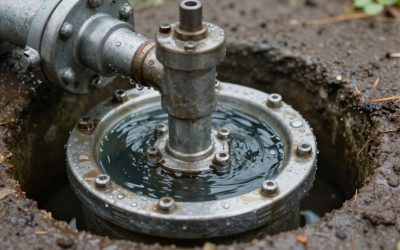
You know, seals in water systems often get overlooked. They’re not the flashy parts, but they do a lot. Think about it: they keep the water where it’s supposed to be and stop junk from getting in. When they’re not working right, things get messy, expensive, and just plain inefficient. So, how well seals improve long-term water system performance? It’s all about picking the right ones and taking care of them.
Key Takeaways
- Seals are vital for keeping water systems running smoothly by preventing leaks and contamination.
- Choosing the right seal for your specific water system conditions is the first step to better performance.
- Regular checks and proper maintenance, like lubrication, help seals last longer and work better.
- High-quality seals save money by stopping fluid loss, reducing wear on parts, and preventing contamination.
- Investing in good seals and proper installation means a more reliable and efficient water system over time.
Understanding The Crucial Role Of Seals In Pumping Systems
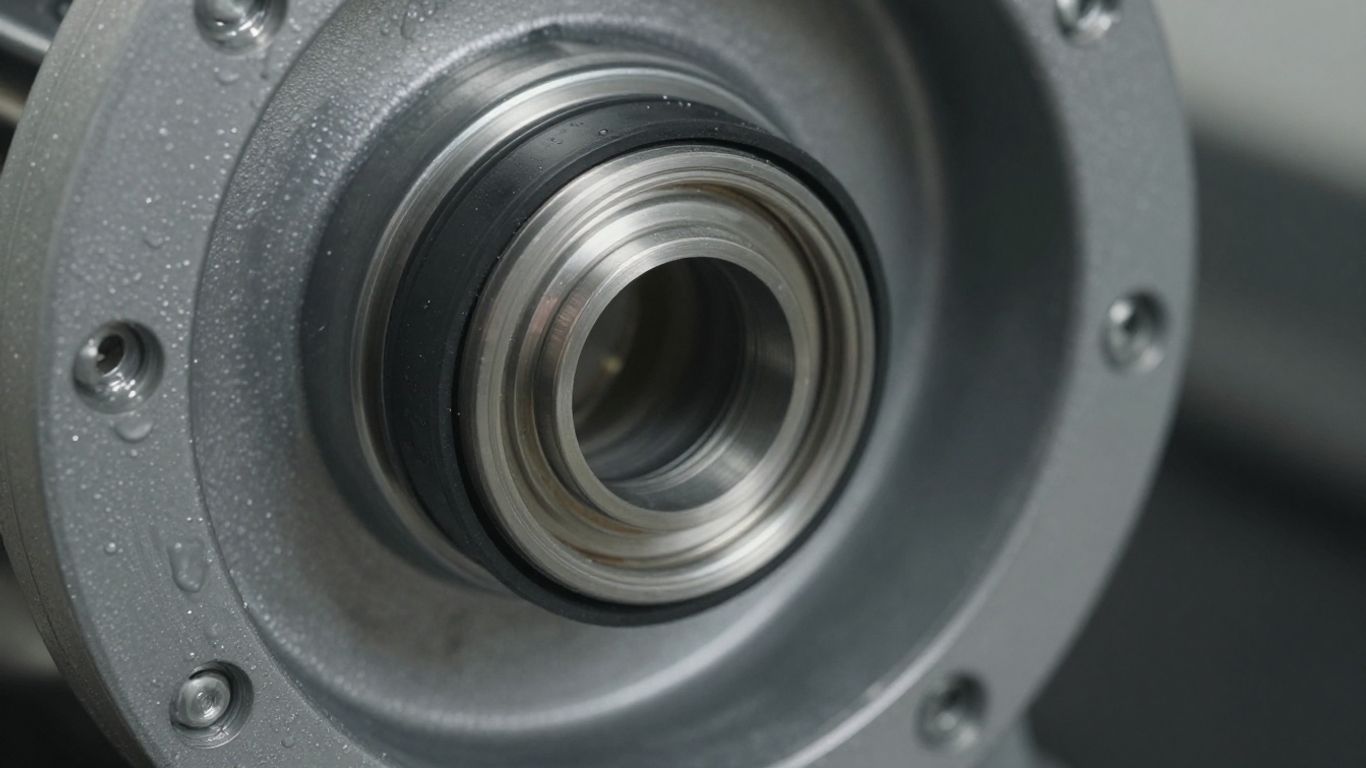
Pumping systems work quietly behind the scenes, moving water or chemicals where they’re needed. But have you ever wondered what keeps those fluids from escaping, or stops dirt and grit from sneaking inside? That’s the seal’s job. Seals are often overlooked, but without well-chosen seals, pumps simply wouldn’t last—they’d leak, wear out, and shut down way too often. Let’s explore what makes seals so important.
What Seals Accomplish For Pumping Systems
- Keep fluids contained, so leaks don’t ruin equipment or create safety hazards
- Block contaminants from getting in, which would mess up pump parts
- Maintain desired fluid pressure, so the system runs smoothly
- Help pumps handle everything from tap water to harsh chemicals or sludge
Seals are basically the quiet guardians that let pumps do their thing without constant supervision.
Key Functions Seals Perform In Pump Systems
Seals are asked to do a lot, depending on the system. For example, in a basic water supply pump versus a chemical transfer system, the pressures, temperatures, and risks can be totally different. Still, most seal tasks boil down to:
- Prevent all but microscopic fluid loss, even under pressure
- Stand up to heat and cold, especially when pumps must run nonstop
- Resist corrosion and abrasion caused by whatever is being pumped
- Avoid adding friction that could make motors work harder or heat up
| Function | Importance for System |
|---|---|
| Fluid Containment | Prevents leaks, saves product |
| Contaminant Exclusion | Keeps interiors running clean |
| Pressure Maintenance | Stable performance, safer system |
| Friction Minimization | Lower energy use, less wear |
Impact Of Seal Performance On System Efficiency
A poorly performing seal can drag down everything. Here’s how:
- More leaks mean water or chemicals go to waste, driving up operating costs
- If seals let dirt in, pumps can wear out much faster
- Extra friction from damaged seals makes pumps use more energy
- Bad seals = more breakdowns, more repairs, more downtime
When seals do their job quietly and efficiently, the whole system needs less attention and lasts longer, which means lower costs and less stress for everyone running the equipment.
Optimizing Seal Performance For Enhanced Efficiency
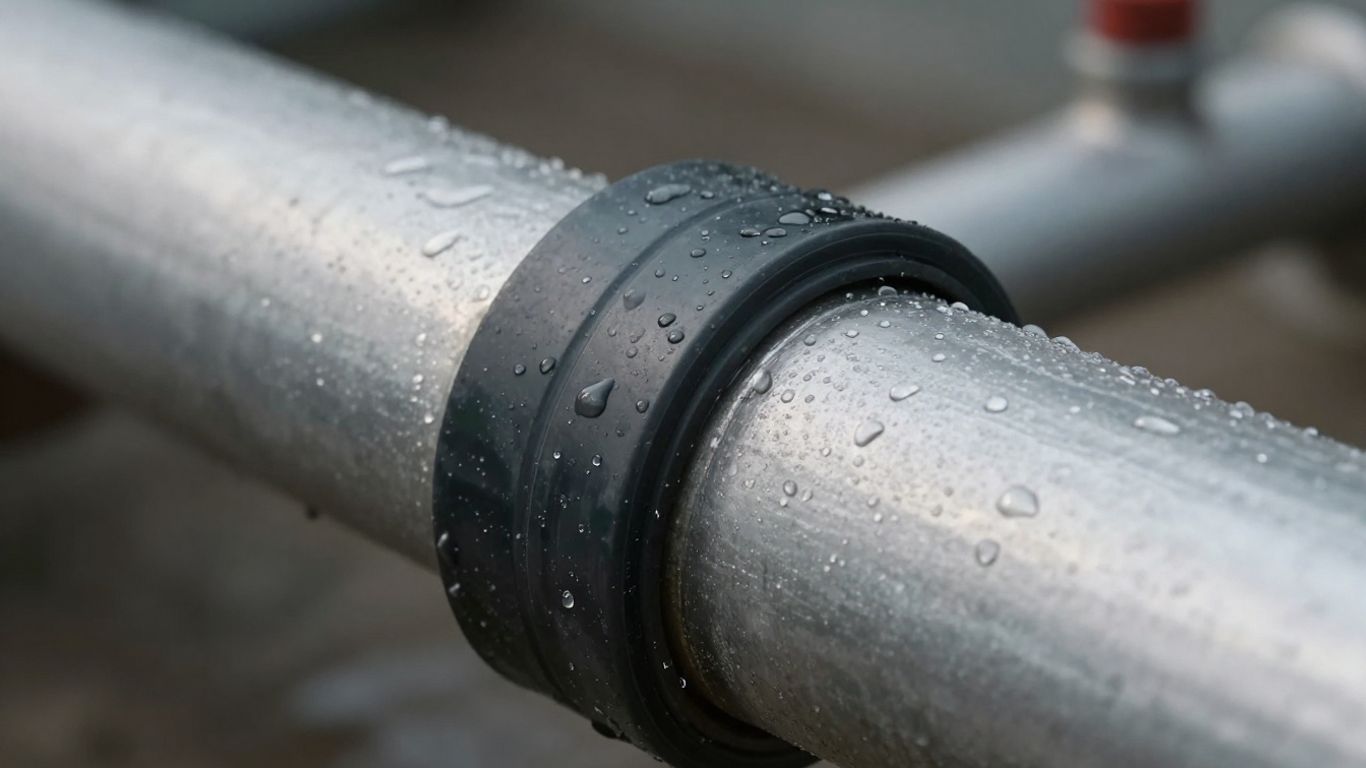
Getting the most out of your water system’s pumps means paying attention to the little things, and seals are definitely one of those "little things" that make a big difference. It’s not just about slapping any old seal in there; it’s about picking the right one and making sure it’s happy. Choosing the correct seal for the job is the first big step towards a more efficient system.
Selecting The Appropriate Seal For Your Application
Think of seals like shoes for your pump shaft. You wouldn’t wear hiking boots to a formal dinner, right? The same applies here. You need to match the seal to what it’s going to be doing. What kind of fluid is it handling? Is it hot, cold, or somewhere in between? What kind of pressure are we talking about? These details matter. For high-pressure, fast-moving situations, you might look at mechanical seals. For less demanding jobs, a lip seal could be just fine. And don’t forget the material – rubber, special plastics like PTFE, or even ceramics. It all needs to play nice with the fluid to avoid getting chewed up or corroded. Some seals are even designed to be low-friction, which means less energy wasted and a happier pump.
Implementing Regular Inspection And Monitoring Protocols
Once you’ve got the right seal in place, you can’t just forget about it. Keeping an eye on things is key to catching problems before they become big, expensive headaches. Look for any signs of leaks, listen for unusual vibrations, or feel for excessive heat. Sometimes, just a quick visual check is enough. For those who like to be more proactive, there are tools like vibration analyzers or thermal cameras that can show you if a seal is starting to get tired. Even "smart" sensors are popping up, giving you real-time updates on how your seals are doing.
Ensuring Proper Lubrication And Cooling Mechanisms
Some seals work in tough spots, dealing with high heat or pressure. For these guys, making sure they have enough lubrication or a good cooling system is non-negotiable. Without it, the friction between the seal and other parts can create a ton of heat, wearing the seal out way too fast and making the whole pump work harder than it needs to. It’s like trying to run a marathon without water – eventually, you’re going to break down.
Seals aren’t just passive parts; they actively contribute to how well your pump runs. A good seal keeps fluids where they belong, reduces the energy lost to friction, and stops gunk from getting in and messing things up. Paying attention to seal selection and upkeep directly impacts how much energy you use, how often you need repairs, and how long your equipment lasts.
Here’s a quick rundown of what to look for:
- Fluid Compatibility: Does the seal material react with the fluid?
- Temperature Range: Can it handle the operating heat?
- Pressure Rating: Is it built for the system’s pressure?
- Shaft Speed: Can it keep up with how fast the shaft spins?
- Environmental Factors: Will dirt, chemicals, or other external elements cause issues?
The Advantages Of High-Quality Seals In Water Systems
Preventing Costly Fluid Loss
When you think about water systems, you probably don’t immediately picture leaks. But even small drips from a pump seal can add up fast. We’re talking about losing treated water, or worse, valuable chemicals mixed into the water. High-quality seals are your first line of defense against this kind of waste. They’re designed to keep fluids exactly where they should be – inside the system. This isn’t just about saving money on water bills or replacement chemicals; it’s about making sure the whole process works as intended without unnecessary losses. Think about a large municipal water treatment plant; a tiny leak from every pump could mean thousands of gallons lost daily. That’s a lot of water that people could be using, and a lot of money down the drain, literally.
Minimizing Friction And Component Wear
Seals do more than just stop leaks. The way a seal interacts with the rotating shaft is a delicate balance. A good seal minimizes the friction between its surfaces and the shaft. Less friction means less heat is generated, and that’s a big win. When friction is high, it not only wastes energy but also causes the seal itself and the shaft to wear down faster. Imagine rubbing two pieces of wood together really hard – they get hot and worn. Seals work similarly. High-quality seals are made from materials that are tough but also smooth, reducing that abrasive action. This means your pumps run more smoothly, use less energy, and the components last much longer before needing replacement. It’s like having a well-oiled hinge versus a squeaky, rusty one – the well-oiled one just works better and lasts longer.
Protecting Against Contamination Ingress
Water systems, especially those for drinking water or sensitive industrial processes, need to stay clean. Seals play a vital role in keeping unwanted stuff out. Dirt, sand, bacteria, or other environmental contaminants can easily get into a pump system if the seals aren’t doing their job. This contamination can ruin the water quality, damage the pump’s internal parts, and even lead to system shutdowns. High-quality seals create a barrier that prevents these external particles from entering the pump. This is especially important in areas where the pump might be exposed to dust, mud, or other debris. Keeping the inside of the pump clean means the water stays pure and the equipment runs without getting clogged or damaged by grit.
Ensuring Consistent Operational Performance
Ultimately, all these factors – preventing leaks, reducing wear, and keeping contaminants out – add up to one main benefit: reliable operation. When you use good seals, your pumps just work better, more consistently. You don’t have to worry as much about unexpected downtime because a seal failed. This consistency is key for any operation that relies on a steady flow of water. Whether it’s for agriculture, manufacturing, or providing clean drinking water to a city, you need the pumps to be ready when you need them. High-quality seals contribute to this dependability, making the entire water system more predictable and easier to manage. It means fewer emergency repairs and more time focused on the actual job the water system is there to do.
Investing In Seal Longevity And System Reliability
The Importance Of Proper Seal Installation
Getting a seal installed right the first time is a big deal. It’s not just about shoving it in place; there’s a bit more to it. If a seal isn’t lined up correctly, or if the surfaces it contacts aren’t smooth enough, it’s going to start failing way before it should. Think of it like trying to put a lid on a jar that’s slightly crooked – it just won’t seal properly and will likely leak. Making sure the people doing the installation know what they’re doing, and following the manufacturer’s guide to the letter, really makes a difference in how long that seal lasts and how well the whole pump system keeps running.
Choosing Seals With Low Leakage Rates
When you’re picking out seals, paying attention to how much they’re supposed to leak is pretty important. Even a tiny drip, over time, can add up. In big water systems, that small leak means the pump has to work harder to keep the pressure up, which uses more electricity. It’s like having a slow leak in your car’s tire; you keep having to add air, and it’s just not as efficient. Newer seal designs are getting much better at keeping fluids where they belong, which saves energy and cuts down on waste.
The Value Of Seals Resistant To Harsh Conditions
Water systems can be tough places for seals. You’ve got different temperatures, maybe some chemicals in the water, and constant movement. If a seal can’t handle these conditions, it’s going to break down fast. Choosing seals made from materials that can stand up to heat, chemicals, or abrasive particles means they’ll last longer. This prevents costly leaks and stops nasty stuff from getting into the water supply. A seal that’s built tough is a seal that keeps the system running smoothly and safely for a long time.
Here’s a quick look at what makes a seal last:
- Material Compatibility: Does the seal material react with the water or any additives?
- Temperature Tolerance: Can it handle the operating heat without degrading?
- Pressure Resistance: Will it hold up under the system’s pressure?
- Abrasion Resistance: If there are particles in the water, can the seal handle the wear?
Picking the right seal isn’t just about the immediate fix; it’s about setting up the system for fewer problems down the road. A little extra thought upfront saves a lot of headaches later.
Future Innovations In Seal Technology
Advancements In Seal Materials And Design
Things are always changing, right? The same goes for seals. We’re seeing some pretty cool new materials pop up that are way tougher than what we’ve used before. Think advanced ceramics and special polymers – these can handle a lot more wear and tear and don’t get messed up by corrosive stuff as easily. Plus, the designs themselves are getting smarter. Engineers are figuring out ways to make seals work even better, reducing friction and lasting longer. It’s all about keeping up with what industries need, which is usually more reliability and less hassle.
Emerging Trends In Smart Sealing Solutions
This is where it gets really interesting. Imagine seals that can tell you when they’re having a problem before they actually fail. That’s the idea behind ‘smart seals.’ They’re starting to build in sensors that can monitor things like temperature, pressure, and even vibration in real-time. This information gets sent out, so maintenance crews can get a heads-up and fix things proactively. It means fewer surprise breakdowns and less downtime, which, let’s be honest, is a huge win for any operation.
Here’s a quick look at what these smart seals might track:
- Temperature fluctuations
- Pressure changes
- Vibration levels
- Leakage rates (even tiny ones)
The Role Of Seals In Sustainable Technologies
It’s not just about making things run better; it’s also about being kinder to the planet. Better seals mean less fluid loss, which is good for conserving resources. They also reduce friction, meaning equipment uses less energy. This all adds up to a smaller environmental footprint. Think about it: less energy used, fewer materials wasted because seals last longer, and less chance of leaks polluting the environment. It’s a win-win for both performance and sustainability.
Seals are becoming a key part of making industrial processes more environmentally friendly. By reducing energy consumption and preventing leaks, they contribute directly to greener operations and resource conservation.
Wrapping It Up
So, when you get down to it, seals are a pretty big deal for keeping water systems running right. They’re not just some small part you forget about. Picking the right ones and taking care of them means less hassle, less wasted water, and ultimately, a system that just works better for longer. It’s really about making smart choices upfront to save yourself headaches and money down the road. Think of it as an investment in a smoother, more reliable operation.
Frequently Asked Questions
What exactly do seals do in a pump?
Think of seals as the guardians of your pump! Their main job is to stop the liquid the pump is moving from leaking out. They also act like a barrier, keeping dirt and other unwanted stuff from getting into the pump. This keeps the pump working well and prevents damage.
Why are good seals so important for pumps?
Good seals are super important because they help the pump run better and last longer. When seals work right, they stop leaks, which saves you money on lost liquid and energy. They also make sure the pump doesn’t have to work as hard, reducing wear and tear on its parts.
What happens if a seal starts to fail?
If a seal starts to go bad, you might notice leaks, strange noises, or the pump getting too hot. This can lead to bigger problems, like the pump stopping completely, which means costly repairs and lost production time. It’s like a small leak in your roof that can cause a lot of damage if you don’t fix it.
How can I make sure my seals last a long time?
To help your seals last, make sure you pick the right kind of seal for the job. It’s also important to check on them regularly for any signs of trouble and to make sure they have the right amount of lubrication or cooling if they need it. Installing them correctly is a big help too!
Are there different types of seals?
Yes, there are! Different pumps and different jobs need different kinds of seals. Some are simple, like rubber O-rings, while others are more complex, like mechanical seals. The best type depends on what the pump is doing, the liquid it’s handling, and how hot or pressurized it is.
Can seals help save energy?
Absolutely! Seals that fit well and don’t leak much help the pump run more smoothly. This means less energy is wasted fighting friction or dealing with leaks. So, better seals can actually lead to lower electricity bills for the pump.