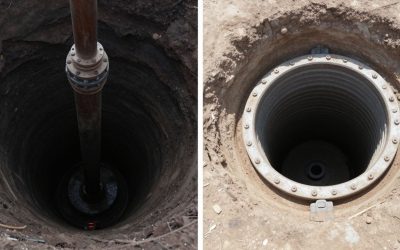
Ever wonder about the water you drink from a well? It’s pretty important that it stays clean, right? Unfortunately, there are lots of ways for bad stuff to get into our groundwater. Things like rain washing over farms or leaky old landfills can be a real problem. That’s where well seals come in. They’re like the first line of defense, keeping those contaminants out and making sure the water is safe. This article is going to look at How Well Seals Contribute to Cleaner Communities.
Key Takeaways
- Groundwater can get dirty from things on the surface, like water running off farms or from trash dumps.
- Well seals act as a barrier, stopping pollution from reaching the groundwater.
- Different types of seals, like grout and bentonite, work in different ground conditions.
- Putting seals in the right way and checking them often is important for them to work well over time.
- Rules are in place to make sure wells are sealed properly, which helps protect our drinking water.
The Crucial Role Of Well Seals In Groundwater Protection
Think about your well. It’s your direct line to groundwater, that precious resource underground. But how do we make sure what’s on the surface doesn’t end up in our drinking water? That’s where well seals come into play. They’re not just a minor detail; they’re a really big deal for keeping our water clean and safe.
Preventing Surface Contaminant Entry
When it rains, water runs across the land. This surface water can pick up all sorts of things – maybe some oil dripped from a car, or fertilizer from a lawn, or even animal waste. If the top of your well isn’t sealed up tight, all that stuff has a clear path to seep down into the ground and eventually into the aquifer. A good seal acts like a barrier, stopping these surface pollutants from getting into the well system. We’re talking about preventing things like bacteria, nitrates, and other dissolved chemicals from making their way into the water you rely on. It’s a pretty straightforward pathway that a proper seal is designed to block.
Isolating Aquifer Zones
Groundwater isn’t always uniform. Sometimes, an aquifer might have different layers, and not all of them have water of the same quality. One layer might be perfectly fine, while another just above or below it could have higher mineral content or be more susceptible to contamination. The seal, often made of grout or bentonite in the space between the well casing and the drilled hole, helps separate these different water-bearing zones. This means you can draw water from a cleaner, more desirable layer without it mixing with water from a less desirable one. It’s like putting up internal walls to keep different water qualities apart.
Ensuring Overall Well Integrity
Beyond just keeping contaminants out, well seals are important for the well’s structure itself. They help keep the well casing stable and prevent the borehole from collapsing. A good seal contributes to the well’s longevity and its ability to function correctly over many years. It’s a key part of the well’s construction that helps it stand the test of time and the elements.
Here’s a quick look at why seals are so important:
- Barrier Function: Stops surface water and shallow contaminants from entering the well.
- Zone Separation: Prevents mixing of water from different aquifer layers.
- Structural Support: Helps maintain the integrity of the well casing and borehole.
- Longevity: Contributes to the overall lifespan and reliability of the well.
Without a properly installed and maintained well seal, the entire system is vulnerable. It’s the first and last line of defense for your groundwater source, and its condition directly impacts the quality of the water you get.
Understanding Different Types Of Well Seals
Grout Seals For Boreholes
When a well is drilled, it creates a hole, a borehole, that goes down into the earth. To keep that hole from becoming a highway for contaminants, we often use grout seals. Think of it like filling the gap between the well pipe (the casing) and the actual wall of the hole. This grout is usually a mix of cement, water, and sometimes other stuff like bentonite to make it seal even better. Once it hardens, it forms a solid, waterproof barrier. This stops surface water, and whatever might be in it, from just seeping down the outside of the pipe and into your water supply. It’s a pretty common and reliable method, especially if the ground around the well is stable. The trick is getting the mix just right and making sure there are no air pockets or gaps left behind when it’s poured. A well-done grout seal is a big deal for keeping shallow pollution out.
Bentonite Seals For Permeable Formations
Now, not all ground is the same. Some places have soil that lets water move through it pretty easily – we call these permeable formations. In these kinds of spots, a different kind of seal might be better. Bentonite is a type of clay that swells up a lot when it gets wet. When you put bentonite, often in pellet or powder form, into the space around the well casing, it can create a really effective seal. As it absorbs water, it expands, filling any nooks and crannies and making a flexible barrier. This is great because if the ground shifts a little, the bentonite can often adjust with it, maintaining the seal. It’s particularly useful in areas where a rigid grout seal might crack over time due to ground movement. It’s a good way to block off water flow in those looser soils.
Mechanical Seals And Their Applications
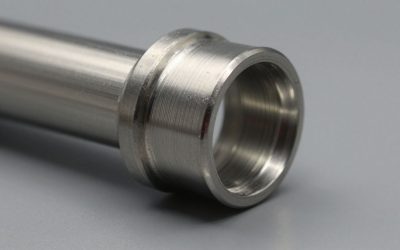
Sometimes, instead of using materials like grout or bentonite, we use mechanical seals. These are more like manufactured devices that are fitted into place. They can range from simple rubber gaskets to more complex packers. You might see these used in specific situations, like when you need to seal off a particular zone within the well, or perhaps at the wellhead itself to prevent anything from falling in or crawling down. They offer a different approach to sealing, often relying on compression or expansion to create a tight fit. While they can be very effective, their longevity can depend on the materials used and the conditions they’re exposed to. They’re not always the first choice for the main seal down the borehole, but they have their place in well construction and maintenance.
Installation And Maintenance For Optimal Performance
Getting a well seal put in right and keeping it that way is super important for keeping your water clean. It’s not just about slapping some grout around the casing and calling it a day. There’s a bit more to it, and if you skip steps or don’t do regular check-ups, you could end up with problems down the line.
Proper Installation Techniques
When you’re putting in a well seal, the first thing is making sure the hole you drilled is clean. Any leftover mud or bits of rock can create a path for yucky stuff to get into your well. The casing, that’s the pipe part, needs to be sitting right in the middle of the hole so the sealing material fills the space evenly all around. Mixing the sealing material, like grout, is also a big deal. You’ve got to get the water-to-mix ratio just right. Too much water makes it weak, and not enough makes it hard to work with. Always follow what the maker says or what your plan calls for. How you put the material in matters too. Usually, you pump it down the inside of the casing and let it flow up the outside, or you pump it directly into the space from the bottom up. Pumping from the bottom is often better because it pushes out any water or junk that might be sitting there.
- Clean the borehole thoroughly before installation.
- Center the well casing within the borehole.
- Use the correct mix ratio for grout or sealing materials.
- Employ a bottom-up placement method for seals whenever possible.
Curing and Testing Procedures
Once the seal is in place, you can’t just assume it’s working perfectly. It needs time to set up properly, and then you have to check if it’s actually doing its job. Cement grout, for example, needs a specific amount of time to harden and get strong. This curing time can change based on the type of cement and the weather. During this period, it’s best not to disturb the seal at all. After it’s cured, you’ll want to test it. A common way is to check its hydraulic conductivity, which basically means seeing how easily water can pass through it. A good seal should let very little water through. Sometimes, simple pressure tests are done to see if the seal holds up, or other methods are used to find any leaks or gaps. Keeping good notes about what materials were used, how it was installed, and the test results is also really important for later on.
Long-Term Maintenance Schedules
So, you’ve got a well, and you’ve made sure it’s sealed up tight. That’s great! But just like anything else, that seal isn’t going to last forever without a little attention. Think of it like maintaining your car; you don’t just drive it until it breaks down, right? The same goes for your well seal. Regular check-ups are key to keeping groundwater clean and your well working right. Setting up a routine for checking your well seal is super important. How often you need to do this can depend on a few things, like where you are, what the ground is like, and even how much you use the well. But generally, looking at it once a year is a good starting point. You’re looking for any obvious signs of trouble. This might include cracks or gaps around the wellhead, water pooling nearby, or even changes in water pressure. A proactive approach to well seal maintenance can save you a lot of headaches and money down the road.
Regular inspections are not just a good idea; they are a necessary part of responsible well ownership. Catching small issues early can prevent much larger, more expensive problems from developing, safeguarding both your water supply and the surrounding environment.
| Inspection Item |
|---|
| Visual check of surface seal |
| Look for pooling water |
| Check for unusual odors |
| Monitor water pressure |
| Listen for unusual sounds |
Regulatory Frameworks For Well Sealing
State and Local Requirements
So, you’ve got a well, and you’re thinking about how it’s sealed up. It’s not just about picking a material and hoping for the best. Different places have their own specific rules about how wells need to be sealed. It’s not a one-size-fits-all deal. Your state’s environmental agency or your local health department usually sets these standards. They might tell you exactly what kinds of materials you can use, like specific grout mixes or bentonite products, and how deep that seal needs to go. Sometimes, they even have diagrams showing the exact construction methods that are allowed. Following these local regulations is really important because they’re designed to protect your specific local water sources. It’s definitely worth checking with your county or state water board before you start any well work, just to make sure you’re doing it right.
Compliance for Water Quality Protection
These regulations aren’t just some bureaucratic hoop to jump through; they’re directly tied to keeping our groundwater clean. When wells are sealed properly, it acts like a barrier, stopping surface gunk from getting into the aquifer. Think about heavy rains washing pollutants into a poorly sealed wellhead – that’s exactly what these rules aim to prevent. Compliance means that the well is built and maintained in a way that minimizes the risk of contamination. This is especially true for wells that draw water for drinking. A well that doesn’t meet standards is a potential pathway for bacteria, chemicals, or other nasty stuff to enter the water supply.
Impact on Public Health
Ultimately, all these rules and standards boil down to protecting people’s health. Contaminated groundwater can lead to all sorts of illnesses, from stomach bugs to more serious long-term health problems. When wells are sealed according to regulations, it’s a big step in making sure the water people drink is safe. It’s a bit like making sure your home’s plumbing is up to code; you expect it to work safely and reliably. Well sealing is the same idea, but on a much larger scale, safeguarding community water supplies. It’s a quiet but vital part of public health infrastructure.
Here are some common elements you’ll find in well sealing regulations:
- Minimum seal depth: How far down the seal must extend from the surface.
- Material specifications: Approved types and properties of grout or sealing agents.
- Annular space requirements: How the space between the casing and the borehole wall must be filled.
- Surface completion: Standards for the wellhead to prevent direct entry of surface water.
- Testing and verification: Procedures to confirm the seal is effective.
Proper well sealing is a key defense against groundwater pollution. It’s a technical requirement that has direct, real-world consequences for the safety of our drinking water and the health of our communities. Ignoring these standards can lead to costly cleanup efforts and, more importantly, pose serious risks to human well-being.
Identifying And Addressing Seal Degradation
Over time, even the best well seals can start to show their age. It’s not usually a sudden event, but more of a slow wear-and-tear process. Things like the ground shifting, the freeze-thaw cycles we get in winter, or just the natural aging of the materials can cause problems. Paying attention to these signs can save you a lot of trouble and keep your water safe.
Signs of Seal Breakdown
So, how do you know if your well seal is starting to fail? Keep an eye out for these common indicators:
- Cracks or gaps: Look for any visible breaks or openings in the grout or sealant material around the wellhead or casing.
- Water pooling: If you notice water collecting around the base of your well, it could mean the seal isn’t effectively diverting surface water away.
- Material changes: The grout might become brittle and start to shrink away from the casing, or bentonite seals could swell unevenly or wash out in spots.
- Corrosion or looseness: For mechanical seals, check for signs of rust or if the seal feels loose or unstable.
- Water quality changes: While not always directly visible, a failing seal can lead to unusual smells or tastes in your water, or changes in water pressure.
Sometimes, the degradation isn’t obvious from a visual inspection. This is where professional testing becomes really helpful.
Repair and Replacement Strategies
Finding a problem doesn’t mean you have to panic. Many issues can be fixed. Small cracks in grout, for instance, can often be patched up. If a bentonite seal has washed out in a section, it might be possible to re-seal that specific area. However, if the seal is extensively damaged or has failed in a significant way, replacement might be the only real option. This is a bigger job, and it’s definitely something you’ll want a qualified professional to handle. They’ll know the best materials and methods to get your well protected again, making sure that barrier stays strong.
The Importance of Professional Assessment
When you suspect your well seal might be failing, it’s always best to get a professional opinion. They have the tools and knowledge to accurately diagnose the problem, whether it’s a minor issue or something more serious. Trying to fix it yourself without the right know-how could potentially make things worse or lead to contamination. A pro can also advise on the best course of action, whether it’s a simple repair or a full replacement, and make sure it’s done right according to regulations.
The Broader Impact Of Well Seals On Community Health
So, we’ve talked about how well seals work to keep our groundwater clean. It’s not just about stopping leaks; it’s about protecting a really important resource. When you think about it, these seals are doing a big job, often out of sight, making sure the water underground stays safe for drinking and for nature. It really shows that even small parts can make a huge difference in the long run. Keeping groundwater pure is a big deal, and good seals are a key part of that puzzle.
Safeguarding Drinking Water Sources
A properly sealed well is your first line of defense against contaminated drinking water. Think about all the things that can happen on the surface after a good rain. Pesticides from a nearby farm, oil drips from a driveway, or even animal waste can get washed into the ground. Without a solid seal around the well casing, these pollutants have a direct route to seep down into the aquifer, the underground layer of rock and soil that holds our water. This isn’t just about keeping dirt out; it’s about preventing bacteria, nitrates, and various chemicals from making their way into the water that people drink every day. It’s a simple barrier, but it’s incredibly effective at keeping our water supply clean.
Protecting Natural Ecosystems
It’s not just people who rely on clean water. Our local streams, rivers, and wetlands are all fed by groundwater. When wells aren’t sealed correctly, pollutants can leach into these water bodies, harming fish, plants, and other wildlife. This can disrupt entire ecosystems. For instance, excess nutrients from agricultural runoff entering groundwater can cause algal blooms in surface waters, which then depletes oxygen and harms aquatic life. Maintaining well seals helps keep these natural systems healthy and balanced.
The Economic Benefits Of Preventative Measures
Dealing with contaminated groundwater is expensive. Cleaning up polluted aquifers can cost millions, and sometimes, a water source is lost forever. Replacing a failed well seal, on the other hand, is a relatively minor expense. It’s a classic case of ‘an ounce of prevention is worth a pound of cure.’ Communities that prioritize proper well construction and maintenance, including robust sealing, avoid the hefty costs associated with water treatment failures and long-term environmental remediation. Investing in good seals upfront saves money and resources down the line.
Here’s a quick look at why preventative sealing matters:
- Cost Savings: Avoids expensive water treatment and cleanup.
- Resource Preservation: Keeps valuable groundwater sources usable.
- Health Protection: Prevents illness and associated healthcare costs.
- Ecosystem Health: Supports thriving natural environments.
The integrity of a well seal is directly linked to the quality of life in a community. It’s a quiet, often overlooked component that plays a massive role in public health and environmental stability. When these seals fail, the consequences can ripple outwards, affecting everything from individual health to the local economy and the natural world around us.
Wrapping It Up
So, we’ve gone over how important well seals are for keeping our underground water clean. It’s not just about stopping little leaks; it’s about protecting a really vital resource. These seals, often hidden from view, do a big job making sure the water beneath our feet stays safe for drinking and for the environment. It really shows that even small parts can make a huge difference over time. Keeping groundwater pure is a big deal, and good seals are a key piece of that puzzle.
Frequently Asked Questions
What is groundwater contamination?
Groundwater contamination happens when harmful things, like pollution from farms or leaky trash sites, get into the underground water that we use. It’s like spilling something on the floor and having it soak into the ground.
How do well seals help prevent pollution?
Well seals act like a protective plug around the top of a well. They create a barrier that stops dirty water and other unwanted stuff from flowing down the sides of the well and mixing with the clean water below.
Are all well seals the same, or are there different kinds?
No, they’re not all the same! Different types of seals are used depending on the ground conditions and the well. Some use a special cement mix called grout, others use clay-like bentonite, and some are mechanical, like tight caps.
Why is it so important to install well seals correctly?
Putting in a well seal the right way is really crucial. If it’s not sealed properly, it won’t do its job, and pollution can still find its way into the water. It needs to be done carefully to be effective.
Do well seals last forever?
Not really. Over time, seals can get worn out, crack, or break down. It’s important to check them regularly to make sure they are still working well and to fix any problems that pop up.
Are there rules about how wells should be sealed?
Yes, there are! Governments have rules and standards to make sure wells are sealed correctly. This is to help keep our drinking water safe and protect everyone’s health.