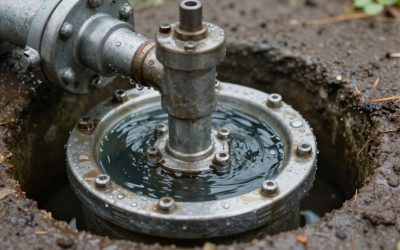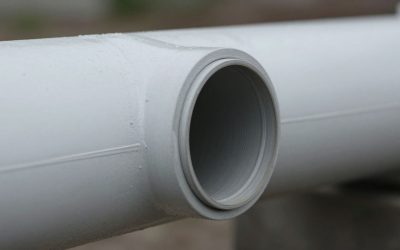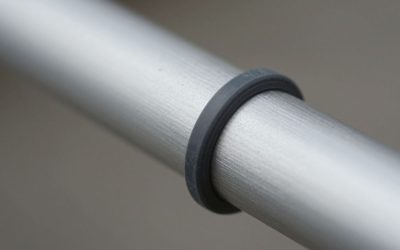
You know, that little valve thingy that stops your water from going backward? It’s actually super important for keeping your pipes clean and everything running right. We often don’t think about it until something goes wrong, but the seals inside play a huge part in making sure it does its job. If those seals get worn out or messed up, it can lead to all sorts of problems, from leaks to, well, way worse stuff. Let’s talk about how well seals help prevent backflow and system damage, and what to do when they start acting up.
Key Takeaways
- Worn-out seals are a big reason backflow preventers stop working right, leading to leaks and potential contamination.
- Stuff like mineral buildup and dirt can clog things up, making your water pressure drop and the preventer less effective.
- When the water pressure in your system goes up and down a lot, it puts a strain on the seals and can damage them.
- Corrosion, especially if your water is a bit harsh, can eat away at the parts over time, weakening the seals.
- If the preventer isn’t put in correctly from the start, it won’t work as it should, and the seals might get damaged faster.
Understanding How Seals Prevent Backflow
The Critical Role of Seals in Valve Function
Think of seals in a backflow preventer like the rubber gasket on a jar lid. Their main job is to create a tight, leak-proof barrier. In a backflow preventer, these seals are absolutely vital for keeping water flowing in just one direction. They sit at key points within the valve, like around the check valve discs and within the relief valve assembly. When water tries to flow backward, these seals are what help snap the internal components shut, physically blocking that unwanted reverse flow. Without good seals, the whole system is basically useless. They’re the unsung heroes that stop contaminated water from getting into your clean water pipes.
How Seals Maintain Pressure Zones
Backflow preventers often work by creating and monitoring different pressure zones within the valve. Seals are essential for keeping these zones separate. For example, in a Double Check Valve Assembly (DCVA), there are two check valves with a chamber in between. Seals ensure that the water pressure in the chamber between the two valves stays distinct from the pressure downstream. If a seal fails, these pressure zones can mix or equalize, which is a major red flag that the preventer isn’t working correctly. This pressure differential is how the device knows when to activate and stop backflow.
Seals as the First Line of Defense Against Leaks
When we talk about backflow prevention, we’re really talking about preventing contamination. Seals are the very first barrier that stops water from escaping or flowing the wrong way. If a seal starts to wear out or get damaged, it’s often the first component to show signs of trouble. This can lead to small drips or even larger leaks around the valve. These leaks aren’t just annoying; they’re a clear indicator that the seal isn’t doing its job, and therefore, the entire backflow prevention system might be compromised. It’s like a tiny crack in a dam – it might seem small at first, but it can lead to bigger problems down the line.
Seals are often made from materials like rubber or synthetic polymers. Over time, constant exposure to water, pressure changes, and even the chemicals in the water can cause these materials to degrade. This degradation is a natural part of wear and tear, and it’s why regular checks are so important.
Common Causes of Seal Failure in Backflow Preventers
So, you’ve got this backflow preventer, right? It’s supposed to be this silent guardian of your clean water. But like anything mechanical, it can run into problems, and often, it’s the seals that give out first. It’s not always a dramatic explosion; sometimes, it’s just a slow decline that you might not even notice until things get messy.
Wear and Tear from Constant Pressure
Think about it – these seals are constantly being pushed and pulled. Water pressure, even when it’s steady, is a relentless force. Over time, this continuous stress can make the rubber or other sealing materials brittle or just worn out. It’s like bending a paperclip back and forth; eventually, it’s going to snap. This constant flexing and pressure is a primary reason seals degrade. Even if there isn’t a major pressure surge, the everyday grind takes its toll.
Mineral Buildup and Debris Impact
Our water isn’t always pure. It can have minerals, sediment, or other bits of gunk floating around. When these things get caught between a seal and its mating surface, they can act like sandpaper. Imagine trying to get a good seal on a jar lid if there’s grit stuck in the threads – it just won’t happen. This buildup can scratch the seal, create tiny channels for leaks, or even prevent the seal from seating properly in the first place. It’s a real pain, especially in older pipes or areas with hard water.
Corrosion and Environmental Degradation
Depending on where your backflow preventer is located and the quality of your water, corrosion can be a big issue. If the water has a high mineral content or is slightly acidic, it can eat away at metal parts, and sometimes, this corrosion can spread to or affect the seals themselves. If the preventer is outside, it’s also exposed to the elements – UV rays, temperature swings, and general environmental wear. All these factors can break down the materials seals are made from, making them less effective and more prone to failure.
Improper Installation and Stress
Sometimes, the problem isn’t just the parts themselves, but how they were put together. If a backflow preventer isn’t installed perfectly straight, or if there’s stress on the pipes connected to it, this can put uneven pressure on the seals. It’s like trying to wear a shoe that’s too tight on one side – it’s uncomfortable and doesn’t work right. This kind of stress can cause seals to wear out much faster than they should, leading to premature leaks and failures. It really highlights the importance of getting these things installed by someone who knows what they’re doing.
The seals in backflow preventers are often made of rubber or synthetic materials designed to create a tight barrier. However, these materials are not indestructible. They face constant challenges from water pressure, abrasive particles, chemical reactions within the water, and environmental exposure. When these seals fail, the system’s ability to prevent contaminated water from entering the clean supply is compromised, leading to potential health risks and costly damage.
Recognizing Signs of Seal Failure
Sometimes, you don’t realize something’s wrong until it’s pretty obvious. With backflow preventers, a failing seal usually makes itself known in a few key ways. Paying attention to these signals can save you a lot of trouble down the line.
Visible Leaks and Water Pooling
This is probably the most straightforward sign. If you start seeing water dripping from the valve body, test cocks, or relief valves, it’s a pretty good indicator that the internal seals aren’t doing their job anymore. It might start as a small drip, but it can quickly turn into a steady stream. You might also notice puddles forming around the device, especially after it’s been in use.
Sudden Drops in Water Pressure
If your water pressure suddenly seems lower than usual throughout the building, it could be a sign that something’s up inside the backflow preventer. This can happen if debris is clogging up the internal parts, or if seals are compromised, allowing water to escape or internal valves to stick. It’s not always the seal itself, but a failing seal can lead to conditions that cause pressure loss.
Unusual System Noises
Listen closely to your plumbing. Strange sounds like hissing or gurgling coming from the backflow preventer can mean air is getting into the system, or that internal components aren’t sealing properly. These noises are often the system’s way of telling you something isn’t right internally, and a worn-out seal could be the culprit.
Discolored or Foul-Smelling Water
This is a more serious sign. If the water coming out of your taps suddenly looks cloudy, has a strange color, or smells off, it could mean that the backflow preventer is failing to keep contaminated water separate from your clean water supply. This is a health risk, and it points to a significant failure in the system’s seals or other internal components.
When seals start to fail, they lose their ability to maintain the necessary separation between different water zones. This breakdown in integrity can allow unwanted substances to enter the potable water supply, posing a direct threat to public health. It’s not just about leaks; it’s about protecting the water we drink.
Here are some common indicators to watch out for:
- Drips and Puddles: Any visible water where it shouldn’t be is a red flag.
- Pressure Fluctuations: Noticeable changes in water pressure, especially sudden drops.
- Audible Clues: Hissing, gurgling, or other unusual sounds from the device.
- Water Quality Issues: Changes in water color, taste, or smell.
- Failed Test Results: If the device fails its regular inspection or testing, it’s a clear sign of internal problems, likely including seal issues.
Preventive Maintenance for Seal Longevity
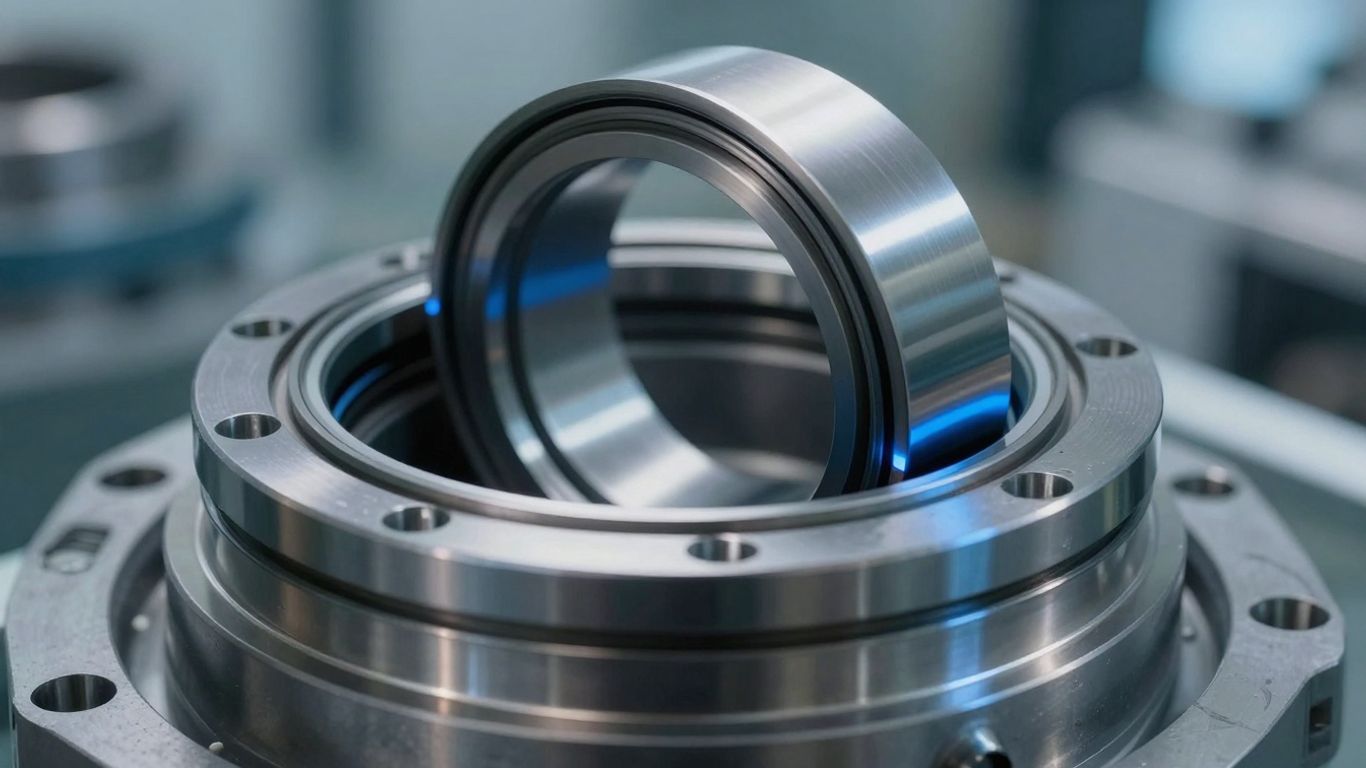
Taking good care of your backflow preventer’s seals is super important if you want them to last and keep your system safe. It’s not just about installing them right; it’s about keeping an eye on them and giving them a little TLC.
Regular Inspections and Functional Testing
Think of this like a regular check-up for your seals. You want to catch any little problems before they turn into big ones. This means looking for obvious signs of trouble, like drips or wet spots around the valve. But it’s also about making sure the backflow preventer is actually doing its job. Testing its functionality, often with specific procedures, confirms that the seals are holding pressure and preventing backflow as they should. A quick visual check might miss internal wear, so functional testing is key.
System Flushing to Remove Debris
Water, especially if it’s not perfectly clean, can carry all sorts of gunk with it – think sand, grit, or mineral bits. This stuff can get lodged around the seals, acting like sandpaper and wearing them down over time. Flushing the system periodically helps wash this debris away. It’s like giving your pipes a good rinse to clear out anything that could cause damage. You might need to do this more often if you know your water quality isn’t the best.
Monitoring Water Pressure Fluctuations
Sudden spikes or drops in water pressure can really stress out the seals. Imagine repeatedly over-inflating and then deflating a balloon; eventually, it’s going to weaken. Backflow preventer seals are designed to handle a certain range of pressure, but extreme swings can cause them to fatigue faster or even fail. Keeping an eye on your system’s pressure gauge can give you an early warning if something is off, allowing you to investigate the cause before it impacts the seals.
Using High-Quality Replacement Parts
When it’s time to replace a seal, don’t skimp on quality. Cheaper, generic parts might seem like a good deal upfront, but they often don’t hold up as well. They might be made from less durable materials or not fit quite right, leading to premature failure. Always try to get seals that are specifically designed for your make and model of backflow preventer, or from a reputable manufacturer known for quality. It might cost a little more initially, but it’ll save you headaches and money in the long run.
Proper maintenance isn’t just about fixing things when they break; it’s about preventing them from breaking in the first place. A little bit of regular attention can go a long way in keeping your backflow preventer seals in good shape and your water system protected.
The Impact of Seal Failure on System Integrity
When seals in your backflow preventer start to go, it’s not just a little drip you have to worry about. It can really mess with your whole system. Think of seals as the gatekeepers, keeping different pressure zones separate and stopping unwanted water from flowing backward. If they fail, that barrier breaks down, and that’s where the problems start.
Contamination Risks to Potable Water
This is probably the scariest part. If a seal fails, especially in a backflow preventer connected to your drinking water supply, it can let contaminated water from non-potable sources (like irrigation systems or industrial lines) mix with your clean water. It’s a serious health risk. You might not even see it happening, but harmful bacteria or chemicals could end up in your taps. Keeping your potable water safe is the top priority, and faulty seals put that at risk.
Damage to Internal Valve Components
Backflow isn’t just about dirty water. When water surges backward, it can hit internal parts of the valve with a lot of force. This sudden reversal can cause parts like springs, discs, or even the valve body itself to get damaged or wear out much faster than they should. It’s like hitting the brakes really hard when you didn’t need to – it puts stress on everything.
Reduced System Efficiency and Performance
Leaky seals mean your system isn’t working as it should. You might notice a drop in water pressure, or the system might just feel sluggish. This inefficiency means your pumps might have to work harder, using more energy, and you’re not getting the performance you paid for. It’s a waste of resources and can lead to other parts of the system struggling.
Costly Repairs and Potential Replacements
Ignoring seal issues is a bad idea. What starts as a small leak or a minor pressure drop can quickly turn into a major problem. You might end up needing expensive repairs to fix the damaged internal components, or in the worst case, you might have to replace the entire backflow preventer or even other parts of your plumbing system. Regular checks and timely seal replacement are way cheaper than dealing with a system breakdown.
Here’s a quick look at what can happen:
- Contamination: Unsafe water entering your clean supply.
- Component Wear: Internal parts get stressed and damaged.
- Pressure Loss: Water pressure drops, affecting performance.
- Energy Waste: Pumps work harder, using more electricity.
- Financial Hit: Repair or replacement costs pile up.
The integrity of your plumbing system relies heavily on the small, often overlooked components like seals. When these fail, the consequences can ripple through the entire network, leading to significant operational, safety, and financial repercussions. It’s a clear reminder that maintenance isn’t just about fixing things when they break, but about preventing them from breaking in the first place.
Repairing and Replacing Damaged Seals
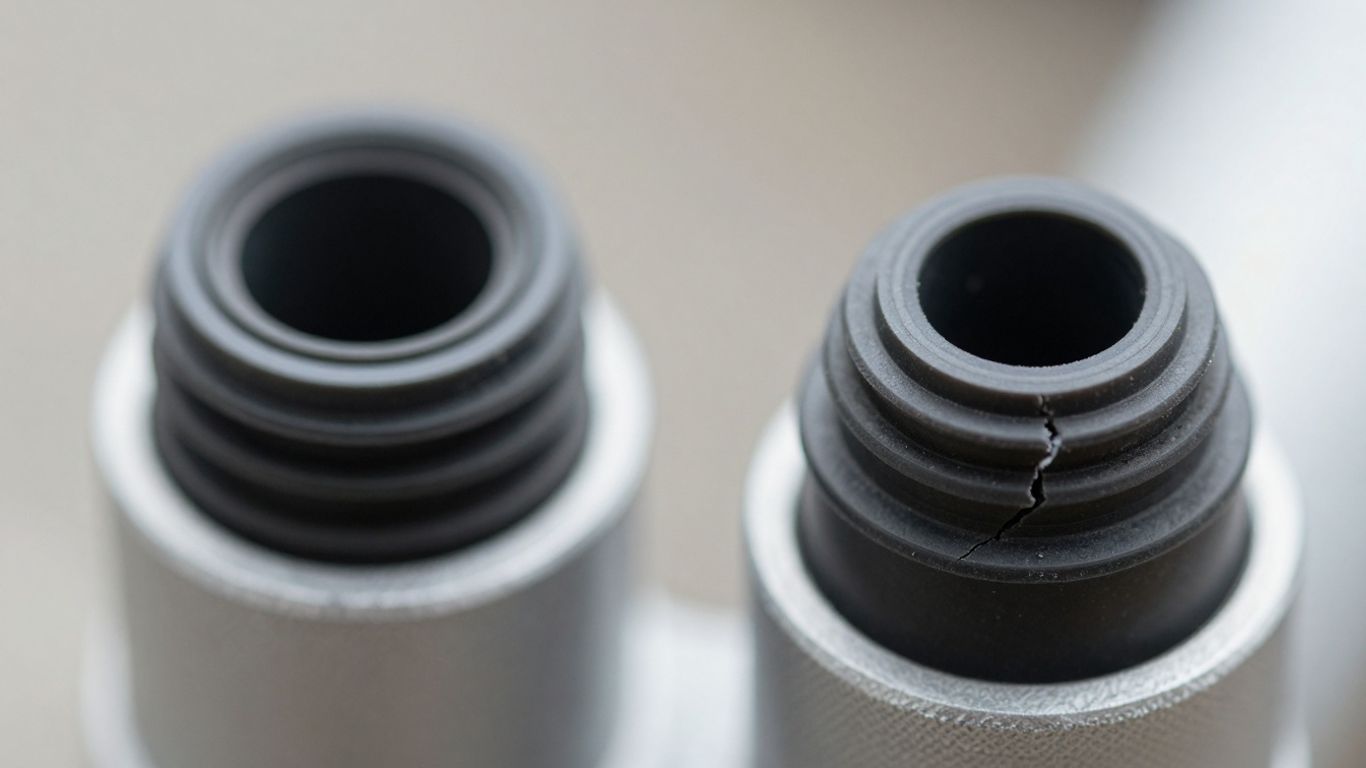
Sometimes, even with the best maintenance, seals in your backflow preventer can give out. When this happens, you’ve got a couple of options: repair or replace the whole unit. It really depends on what’s wrong and how bad it is.
When Repair is a Viable Option
Often, individual components within a backflow preventer can be fixed. Think of it like fixing a leaky faucet – you don’t always replace the whole thing, right? If a spring is worn out, a seat is damaged, or a test cock is stuck, these are usually things a technician can swap out. It’s often more cost-effective to replace just the faulty part than to buy a whole new backflow assembly, especially if the main body of the unit is still in good shape. A field test is usually the first step to figure out exactly which parts are causing trouble. If only one or two things are failing, repair is probably your best bet.
Choosing the Right Replacement Seals
If you’re going the repair route, picking the correct replacement seal is super important. You can’t just grab any old rubber ring. Seals come in different materials, and what works for one valve might not work for another. You need to consider what kind of water is flowing through (is it treated, or something else?), the temperature, and the pressure. For example, O-rings are common and work for many situations, but if you have high pressure, you might need something tougher like a T-seal with backup rings to stop it from getting squeezed out. Always check the manufacturer’s recommendations or consult with a pro to make sure you get a seal that’s compatible with your specific backflow preventer model and its operating conditions.
The Importance of Professional Installation
Even if you get the perfect replacement seal, putting it in wrong can cause more problems than it solves. Seals can get pinched, twisted, or over-compressed during installation, which ruins their ability to seal properly and can even damage the valve seat. A professional installer knows how to handle these delicate parts, making sure they’re seated correctly and that no undue stress is placed on them. They have the right tools and know-how to get the job done right the first time, which saves you headaches and potential leaks down the road.
Ensuring Compliance with Repair Standards
Backflow prevention is serious business, especially when it comes to protecting your drinking water. Any repairs made to backflow preventers often need to meet specific industry standards and local plumbing codes. This isn’t just about making the valve work; it’s about making sure it works safely and effectively prevents contamination. Professionals are up-to-date on these regulations and will perform repairs in a way that keeps your system compliant. They’ll often provide documentation of the work done, which might be required by your local water authority. Getting it done right by a qualified person is key to maintaining the integrity of your water system.
Wrapping It Up
So, we’ve talked a lot about how those seals and other parts inside your backflow preventer are super important. When they wear out or get gunked up, it can lead to leaks and, worse, let dirty water sneak into your clean supply. Keeping an eye out for leaks, weird pressure drops, or strange noises is key. Regular check-ups and maybe a good flush now and then can save you a lot of headaches and keep your water safe. It’s not the most exciting topic, but honestly, it’s one of those things that just needs to work right to keep everything else running smoothly and safely.
Frequently Asked Questions
What makes backflow preventers stop working?
Backflow preventers often fail because their seals and gaskets get worn out over time. Other common issues include mineral and dirt buildup inside the parts, parts getting rusty from the water or environment, or if the device wasn’t put in correctly in the first place. Sometimes, the water pressure can also be too high or too low, which strains the parts.
How can I tell if my backflow preventer is failing?
Watch out for signs like water leaking or puddling around the device. You might also notice that the water pressure in your home suddenly drops. Strange noises, like hissing or banging, coming from the pipes can also be a warning. If your water looks cloudy or smells bad, it’s a serious sign that something is wrong.
Why are seals so important in backflow preventers?
Seals are like the gatekeepers inside the backflow preventer. They create a tight seal that stops water from flowing backward. If these seals are damaged or worn out, they can’t do their job, and dirty water could mix with your clean drinking water. They are the first and most important line of defense against leaks.
What happens if a backflow preventer fails?
If a backflow preventer fails, contaminated water from places like sewers, industrial processes, or even garden hoses could flow backward into your clean water pipes. This can make your drinking water unsafe and lead to serious health problems. It can also damage other parts of your plumbing system and make it work less efficiently.
How can I keep my backflow preventer working well?
Regular check-ups are key! Have your backflow preventer inspected and tested regularly, usually once a year. Flushing your system every so often helps clear out any gunk. Also, keep an eye on your water pressure. If you need to replace any parts, always use good quality ones that are made for your specific device.
When should I call a professional for my backflow preventer?
You should call a professional if you notice any signs of failure, like leaks or pressure drops. Also, if your backflow preventer fails an inspection or test, it needs professional attention. Professionals have the right tools and knowledge to fix or replace parts correctly, making sure your system is safe and meets all the rules.