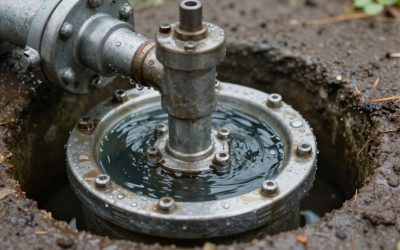
You know, that round thing on top of your well pipe in the yard? It might seem like just a cap, but it’s actually a pretty big deal for your drinking water. This simple cover is your well’s first line of defense against all sorts of unwanted stuff getting in. We’re going to talk about how well seals fit into your home’s water protection plan, covering what these caps do, why they matter, and what to look out for. It’s not complicated, but it’s important for keeping your water safe.
Key Takeaways
- The well cap is your water supply’s primary shield, stopping bugs, dirt, and surface water from getting into the well casing.
- A good cap needs a screened vent to let air in and out, which helps your pump work right and stops bad stuff from being sucked in.
- Regularly check your well cap for cracks, loose parts, or damage. Also, keep the area around the well clear of debris and be careful with lawn equipment.
- If you see any damage, suspect contamination, or want to upgrade to a safer ‘sanitary’ cap, it’s best to call a professional well service.
- Proper installation and maintenance of your well cap are vital steps in protecting your home’s water from contamination and ensuring it stays safe to drink.
Understanding Your Well Cap’s Role
Think of your well cap as the gatekeeper for your home’s water supply. It’s that sturdy cover you see on top of the well pipe sticking out of the ground. While it might seem like a simple lid, its job is pretty important. It’s the first thing standing between your clean water and whatever might be lurking outside.
The First Line Of Defense For Your Water
This cap is basically your well’s first and most important shield. Its main gig is to keep your water safe from anything that could make it dirty or unsafe to drink. Without a good cap, your well is wide open to all sorts of trouble.
Preventing Unwanted Intruders And Debris
So, what exactly is it keeping out? For starters, it stops bugs, spiders, and even small critters like frogs or mice from crawling down into your well. Believe it or not, insects can get into poorly sealed wells, die, and then start to cause bacterial issues or make your water taste and smell bad. The cap also blocks leaves, dirt, and other bits of trash that the wind might blow around. More importantly, it helps stop polluted water from surface runoff, like from lawn chemicals or animal waste, from just pouring straight into your well. A well-sealed cap, along with a casing that sticks up a good bit from the ground, is key here.
Maintaining Optimal Well Pressure
Beyond just keeping stuff out, the well cap plays a role in how your well system works. Most caps have a vent, which is like a little breathing hole. This vent has a fine screen over it to let air in and out. Why is this needed? Well, when your pump is running and pulling water out, it can create a vacuum inside the well. This vent equalizes the air pressure, preventing that vacuum. If a vacuum forms, it could potentially pull contaminants into the well through tiny cracks or make it harder for your pump to do its job. So, that screened vent is pretty important for keeping things running smoothly and safely.
The well cap’s primary function is to create a sanitary seal at the top of the well casing, preventing the entry of contaminants while allowing for necessary air exchange.
Key Features Of A Protective Well Cap
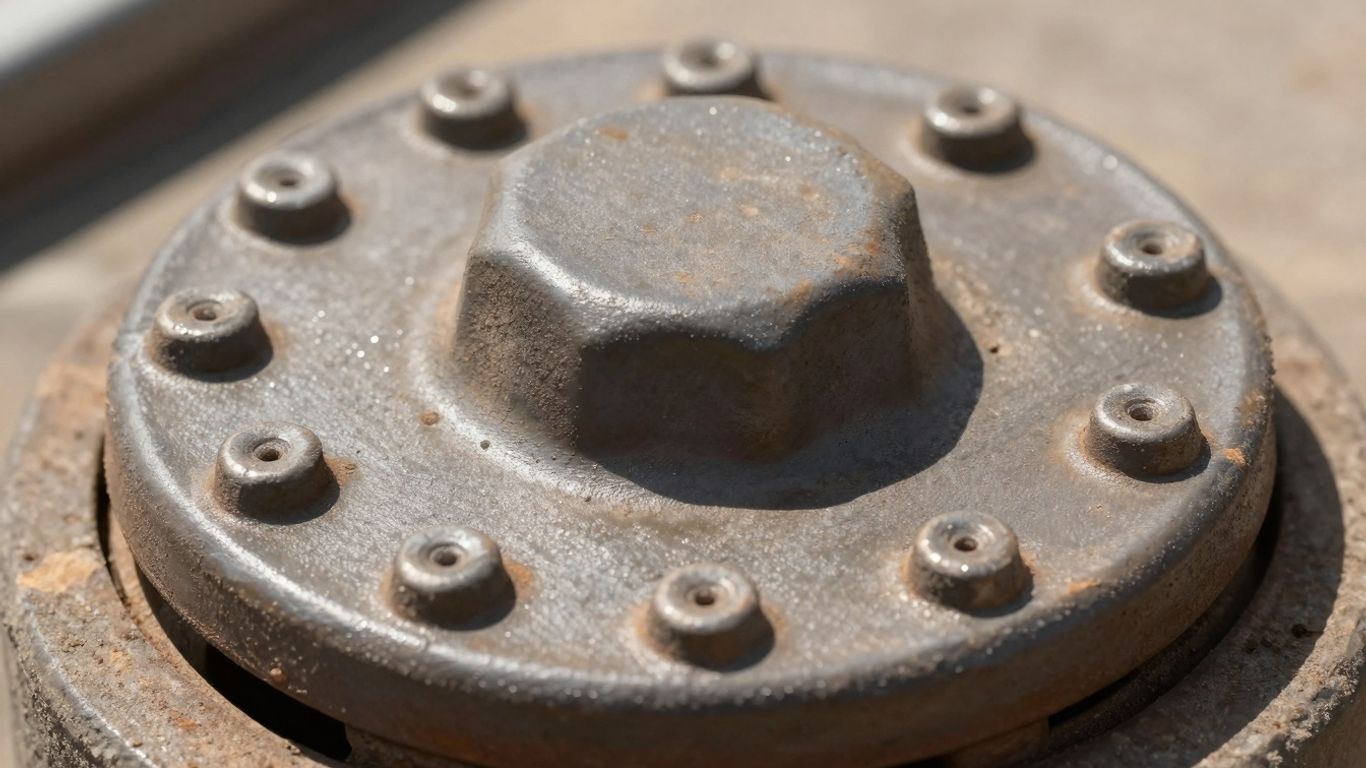
So, you’ve got this cap on top of your well, right? It might seem like just a simple lid, but it’s actually doing some pretty important work to keep your water safe. Think of it as the bouncer at the door for your well water. It’s designed with a few key things in mind to make sure only good stuff gets in (like air) and all the bad stuff stays out.
Sanitary Versus Standard Vented Caps
Not all well caps are created equal. You’ve got the older style, often called a "standard vented cap," and then there’s the "sanitary cap," which is a much better option for keeping things clean. The standard ones let air in and out, which is necessary for your pump to work right, but they often have little gaps. These gaps are like an open invitation for bugs, spiders, and other small critters to crawl right in. Seriously, I’ve heard stories of earwigs and even mice making their way into wells because the cap wasn’t sealed up tight. The sanitary cap, on the other hand, is designed to let air in through a screened vent but seals up much better, keeping those unwanted visitors out. It usually has a more robust design, often with multiple bolts and a rubber gasket, making it a much more secure barrier.
The Importance Of A Screened Vent
That little vent on the cap? It’s not just for show. It lets air move in and out of the well as water is pumped. This pressure equalization is super important; without it, your pump could struggle, or worse, a vacuum could form and pull contaminants into the well. But here’s the kicker: that vent needs a screen. This fine mesh is the real hero here, stopping insects and debris from using the vent as a backdoor into your well. Without a good screen, the vent itself becomes a weak point, letting all sorts of tiny things slip through. It’s a simple feature, but it makes a huge difference in keeping your water clean.
Securing Electrical Conduit Connections
If you have a submersible pump, the power cable has to run into the well somehow, usually through a pipe called an electrical conduit that comes out of the well cap. A properly designed cap will have a way to seal around this conduit. This isn’t just about keeping water out; it’s also about preventing pests from crawling in alongside the wires. A loose or poorly sealed conduit connection is another entry point for contamination. Making sure this connection is watertight and sealed tight is just as vital as the cap itself.
A well cap’s job is to be the first line of defense. It’s there to keep out leaves, dirt, bugs, and anything else that could make your water unsafe. A good cap, with its screened vent and secure seals, works hard so you don’t have to worry about what’s getting into your water supply.
Regular Inspection And Maintenance
Think of your well cap like the lid on a jar of pickles – it needs to be on tight and clean to keep everything inside fresh and safe. It’s easy to forget about it since it’s just sitting there, but a little attention goes a long way. Making a habit of checking it, maybe every few months or at least twice a year, can save you a lot of trouble down the road.
Visual Checks For Damage And Deterioration
When you walk over to your well, take a good look at the cap. Is it still sitting snugly on the well casing? Give it a gentle nudge – it shouldn’t wobble around. Look for any cracks, especially on plastic caps, or signs of rust on metal ones. Missing bolts are also a red flag. If your cap has a vent, check that the screen is intact and not clogged with dirt or bugs. A compromised cap is an open invitation for all sorts of unwanted guests.
Keeping The Wellhead Area Clear
Don’t let leaves, mulch, or snow pile up around the base of your well. You want water to drain away from it, not sit there and potentially seep in. Also, try not to store anything like chemicals, fuel cans, or even pet waste bins too close to the wellhead. Keeping this area clean and dry is a simple but effective way to protect your water source.
Protecting The Cap From Yard Equipment
This is a big one. Lawn mowers, string trimmers, and even snow blowers can easily damage a well cap if you’re not careful. It’s a good idea to know exactly where your well is and maybe even mark it with a small stake or a low fence, especially if you have others doing yard work. When using a string trimmer, keep it a safe distance from the casing. Accidentally hitting the cap can cause cracks that are hard to see but easy for contaminants to get through.
A well cap might seem small, but its job is huge. It’s the first barrier keeping your drinking water safe from the outside world. Regular checks mean you can catch small problems before they become big, expensive ones. It’s just good home maintenance, like checking your smoke detectors or cleaning your gutters.
When To Seek Professional Well Services
Look, sometimes you just know when a job is bigger than you are. While keeping an eye on your well cap is something you can totally do yourself, there are definitely times when calling in the pros is the smartest move. It’s not about admitting defeat; it’s about protecting your water supply, which is pretty important, right?
Addressing Suspected Damage Or Contamination
If you see anything that just doesn’t look right with your well cap or the area around it, it’s time to get a professional opinion. We’re talking about things like:
- A cap that’s cracked, warped, or doesn’t seem to seal properly anymore.
- Visible signs of pests or animal entry around the cap or vent.
- Any unusual odors or changes in the taste or color of your water.
- Evidence of surface water pooling around the wellhead, especially after heavy rain.
Don’t guess when it comes to your water quality. A certified well technician has the tools to properly assess the situation, test your water if needed, and figure out the best way to fix it. They can spot subtle issues you might miss, like a failing gasket or minor corrosion that could lead to bigger problems later.
Upgrading To A Sanitary Well Cap
Older homes often have basic well caps that just don’t meet today’s safety standards. If you’ve got one of those, or if your current cap is damaged beyond simple repair, upgrading to a sanitary well cap is a really good idea. These are designed to be much more secure and prevent contaminants from getting in. A professional installer will make sure it’s fitted correctly, sealed tightly, and that any electrical wiring is handled safely. They know the ins and outs of making sure the cap is both watertight and properly vented, which is more complicated than it sounds.
Ensuring Compliance With Local Codes
This is a big one, and honestly, it’s hard to keep track of. Well construction and maintenance rules can change and vary quite a bit from one town or state to another. What’s acceptable in one place might not be in another. A licensed well contractor is up-to-date on all the local regulations. They’ll know if your well cap needs to be a specific type, if there are requirements for how high the casing needs to extend above ground, or how electrical conduits must be sealed. Getting it right the first time with a pro means you won’t have to worry about it if you ever sell your home or if an inspector comes by. Plus, it just gives you peace of mind knowing everything is up to snuff.
When in doubt, always err on the side of caution. Your well is a critical part of your home’s infrastructure, and professional service ensures its integrity and the safety of your water supply. It’s an investment in your family’s health.
Risks Associated With Compromised Well Caps
So, what happens when that well cap isn’t doing its job? It’s more than just an eyesore; a damaged or missing cap can really mess with your water. Think of it as leaving your front door wide open – you wouldn’t do that at home, right? Your well shouldn’t be left exposed either.
Contamination From Pests and Debris
This is probably the most common issue. A loose or broken cap is like a welcome mat for all sorts of unwanted visitors. We’re talking insects – ants, spiders, earwigs – but also potentially small animals like mice or frogs. They’re attracted to the damp, dark space. Once they get in, they can die and decompose. This introduces bacteria, like coliform, right into your water supply. Nobody wants that. Plus, leaves, dirt, twigs, and other yard gunk can easily fall in. This stuff doesn’t just make the water look bad; it can clog up your pump and pipes over time, and it gives bacteria a nice place to grow.
Pollution From Surface Water Runoff
This one’s a biggie. Rainwater or water from your sprinklers can pool around the wellhead. If your cap isn’t sealed properly, or if it’s cracked, that water can seep or flow right down into your well. And what’s in that surface water? Potentially fertilizers, pesticides from your lawn, oil drips from the driveway, or even bacteria from animal waste. A good cap and a proper seal are supposed to stop all that from getting into your water. Even a tiny gap can let a lot of dirty water in during a heavy rain.
Potential For Accidents and Tampering
Beyond just contamination, an open or damaged well cap can be a safety hazard. Imagine dropping a tool down there while you’re working nearby – it could damage your pump or be incredibly hard to get out. While it’s unlikely someone would fall into a typical well casing, it’s still an unnecessary risk. There’s also the possibility of tampering. If the cap is loose or damaged, someone could potentially access the well or even mess with the electrical wiring connected to your pump, which is a serious shock risk. It’s just not worth leaving that opening unprotected.
A compromised well cap isn’t just a minor inconvenience; it’s a direct pathway for contaminants to enter your home’s water source. Addressing any issues promptly is key to safeguarding your health and your well’s integrity.
Ensuring Proper Well Cap Installation
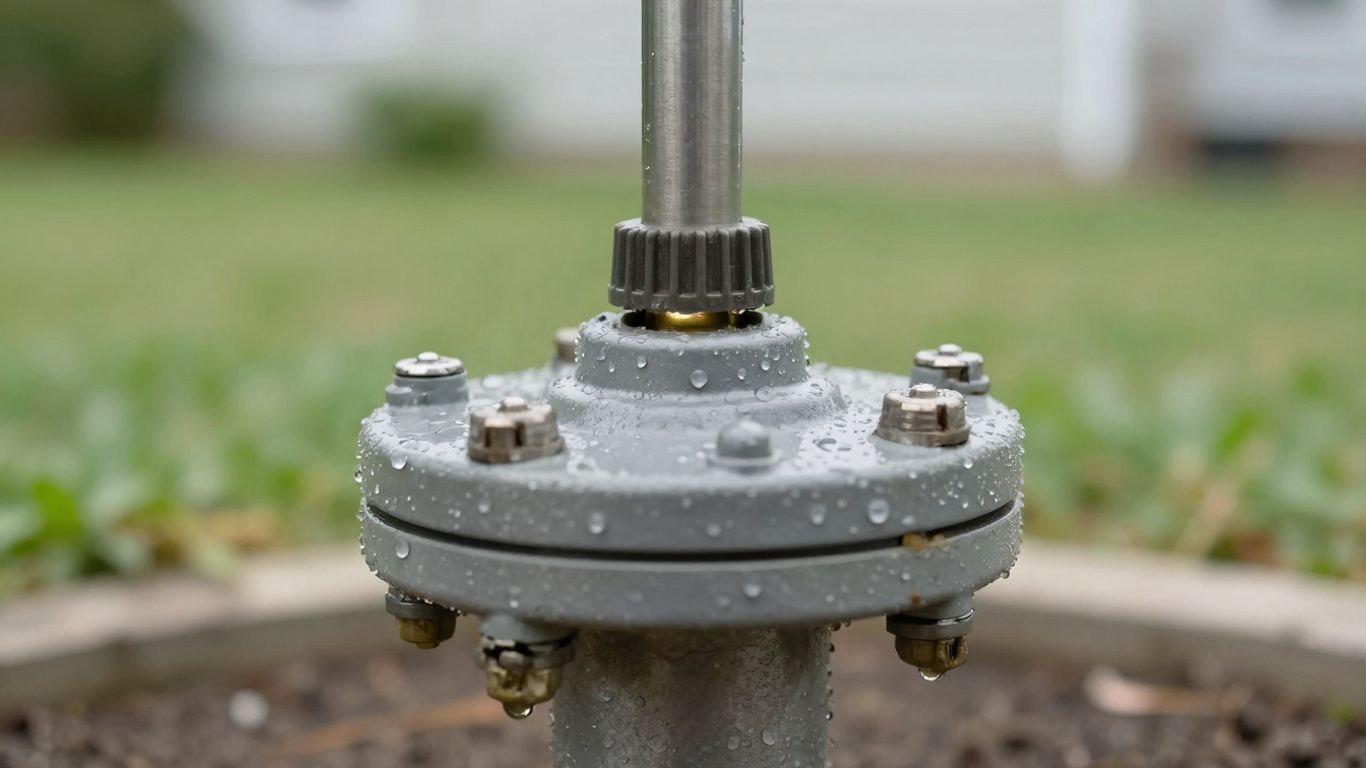
So, you’ve got a new well cap, or maybe you’re just thinking about getting one. It might seem like a simple part of your well system, but getting it installed right is actually pretty important. It’s not just about screwing on a lid; there’s a bit more to it, especially with the wiring involved.
The Importance Of Watertight And Vented Seals
A well cap’s main job is to keep stuff out, right? That means it needs to be sealed up tight to stop bugs, dirt, and especially water from getting into your well. But here’s the thing: it also needs to let air in and out. This is where the vent comes in. Without a proper vent, your pump could have trouble working, and you might even suck in bad stuff through tiny cracks. A good installation means the cap is both watertight and properly vented. This balance is key to keeping your water clean and your pump running smoothly. Think of it like a lid on a jar – it needs to seal well, but sometimes you need a little air to get in or out.
Handling Electrical Wiring Safely
Most well caps have to accommodate electrical conduit for your pump. This is where things can get a little tricky if you’re not experienced. Improperly handled wiring can be a safety hazard and can also damage your pump system. A professional installer knows how to disconnect power safely, route the conduit correctly through the cap, and make sure it’s sealed up so no water can seep in around the wires. They’ll also check that the connections are secure and up to code. It’s really about preventing electrical issues and water leaks all at once.
Professional Installation For Peace Of Mind
Look, while you can do a lot of home maintenance yourself, installing a well cap is one of those jobs where calling a pro really pays off. They have the right tools, they know the local codes (which can vary quite a bit), and they’ve done this a hundred times before. They can make sure the cap fits snugly on the well casing, that the seals are good, and that all the electrical bits are handled safely. Plus, they can often spot other potential issues with your well system while they’re there. It’s one less thing for you to worry about, and you get the confidence that your water source is protected. If you’re unsure about any part of your well system, it’s always a good idea to get a professional opinion. You can find licensed contractors in your area to help with well cap services.
A well cap might seem small, but its proper installation directly impacts the safety and quality of your drinking water. Don’t cut corners on this critical component of your well system.
Wrapping It Up
So, that little cap on top of your well? It’s way more important than it looks. It’s like the bouncer for your water, keeping out all the junk – bugs, dirt, and yucky stuff that could make you sick. We talked about how it works, why a good seal matters, and what to do if it looks a bit worse for wear. Remember, a quick peek now and then can save you a lot of trouble later. If you ever see cracks, rust, or if it just feels loose, don’t mess around. Call in a pro. They know their stuff and can make sure everything is sealed up tight, keeping your water safe. It’s a small step, but it makes a big difference for your home’s water protection plan.
Frequently Asked Questions
What exactly is a well cap, and why is it important?
A well cap is basically the ‘hat’ for your well pipe sticking out of the ground. It’s designed to keep your drinking water safe by acting as a shield. It stops bugs, dirt, leaves, and even small animals from getting into your well. Think of it as the first line of defense against anything nasty that could end up in your water supply.
What’s the difference between a sanitary cap and a standard vented cap?
A standard vented cap lets air in and out so your pump works right, but it might not seal perfectly against tiny things. A sanitary cap does the same job with air but has a much tighter seal, often with a rubber gasket, to keep out even the smallest bugs and dirt. For today’s standards, a sanitary cap is the best choice for keeping your water clean.
How often should I check my well cap?
You don’t need to check it every day, but it’s a good idea to give it a quick look at least once a year, or maybe every season. While you’re doing yard work, just glance at it. Make sure it’s still on tight, doesn’t have any cracks, and that the screen on the vent isn’t torn or blocked.
What happens if my well cap is damaged or missing?
If your well cap is broken, loose, or gone, it’s like leaving your front door wide open for trouble. Bugs, dirt, leaves, and even surface water with pollutants can easily fall into your well. This can lead to bacteria in your water, making it unsafe to drink and possibly causing health problems. It’s a serious issue that needs fixing fast.
Can I fix a damaged well cap myself?
For minor things like clearing debris from the vent screen, you might be able to do it. However, if the cap itself is cracked, loose, or the seal looks bad, it’s best to call a professional well service. They have the right parts and know-how to make sure it’s sealed properly and safely, especially since electrical wires often run through it.
When should I call a professional for my well cap?
You should definitely call a pro if you see any damage like cracks or looseness, if you suspect contamination, or if you want to upgrade to a newer, more protective sanitary cap. Professionals also ensure the cap is installed correctly to meet local rules and keep your water safe. Regular check-ups by a pro are also a smart move.