Ever feel like you’re drilling into a complex topic and coming up dry? Well, let’s talk about well seals. These things are pretty important, especially if you’re dealing with any kind of industrial equipment that moves fluids around. Think pumps, mixers, that sort of thing. They’re not exactly glamorous, but they do a big job keeping things from leaking. This guide is meant to break down what well seals are all about, why they matter, and how they work, without getting too technical. We’ll cover the basics so you can understand their role in keeping your machinery running smoothly.
Key Takeaways
- Well seals are vital for preventing leaks in equipment like pumps and compressors.
- They have several parts, including rings that touch directly and others that hold things together.
- Different types of seals exist, like pusher, non-pusher, cartridge, and split seals, each suited for different jobs.
- Choosing the right seal means looking at what you’re sealing and how the equipment operates.
- Keeping an eye on your seals and doing basic maintenance helps them last longer and work better.
Understanding Well Seals
Alright, let’s talk about well seals. If you’ve got a water well, you’ve probably heard the term, but what exactly are they? Think of a well seal as the gatekeeper for your well. Its main job is to keep unwanted stuff out and the good stuff, like your clean water, in. It’s a pretty important piece of the puzzle, honestly.
What Are Well Seals?
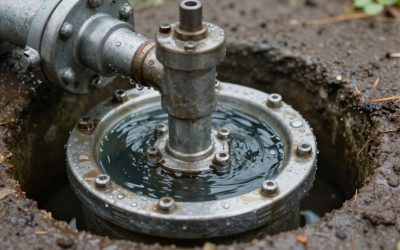
Basically, a well seal is a fitting that goes on top of your well casing. It’s designed to close off the top of the well pipe. This isn’t just about keeping bugs and dirt from falling in, though that’s part of it. It’s also about preventing surface water, which can carry all sorts of contaminants, from seeping down into your well water. The primary goal is to protect the water source from anything that could make it unsafe to drink. It’s a barrier, plain and simple.
The Importance of Well Seals
Why all the fuss about a simple cap? Well, your well water is a direct line to your drinking supply. If that seal isn’t doing its job, you could be looking at contamination issues. Things like bacteria, chemicals from fertilizers, or even just sediment can find their way into your well if the seal is compromised. This can lead to health problems and costly water treatment down the line. A good seal is your first line of defense for water quality.
Key Functions of Well Seals
So, what does a well seal actually do?
- Prevents Contamination: This is the big one. It stops surface water and other pollutants from getting into the well.
- Keeps Out Pests and Debris: No one wants frogs or leaves in their water supply.
- Provides a Mounting Point: It often serves as the base for attaching electrical conduit and pitless adapters, which are key for getting water to your house.
- Maintains Pressure: In some systems, it helps maintain the integrity of the well’s pressure.
It’s easy to overlook something like a well seal because it’s not a flashy component. However, its role in safeguarding your water supply cannot be overstated. Think of it as the unsung hero of your water system, working quietly to keep things safe and sound.
Components of Well Seals
Alright, so you’ve got this well seal, right? It’s not just one solid chunk of metal or rubber. Nope, it’s actually a team of parts working together to keep things sealed up tight. Think of it like a well-oiled machine, but, you know, the opposite of leaking.
Primary Sealing Rings
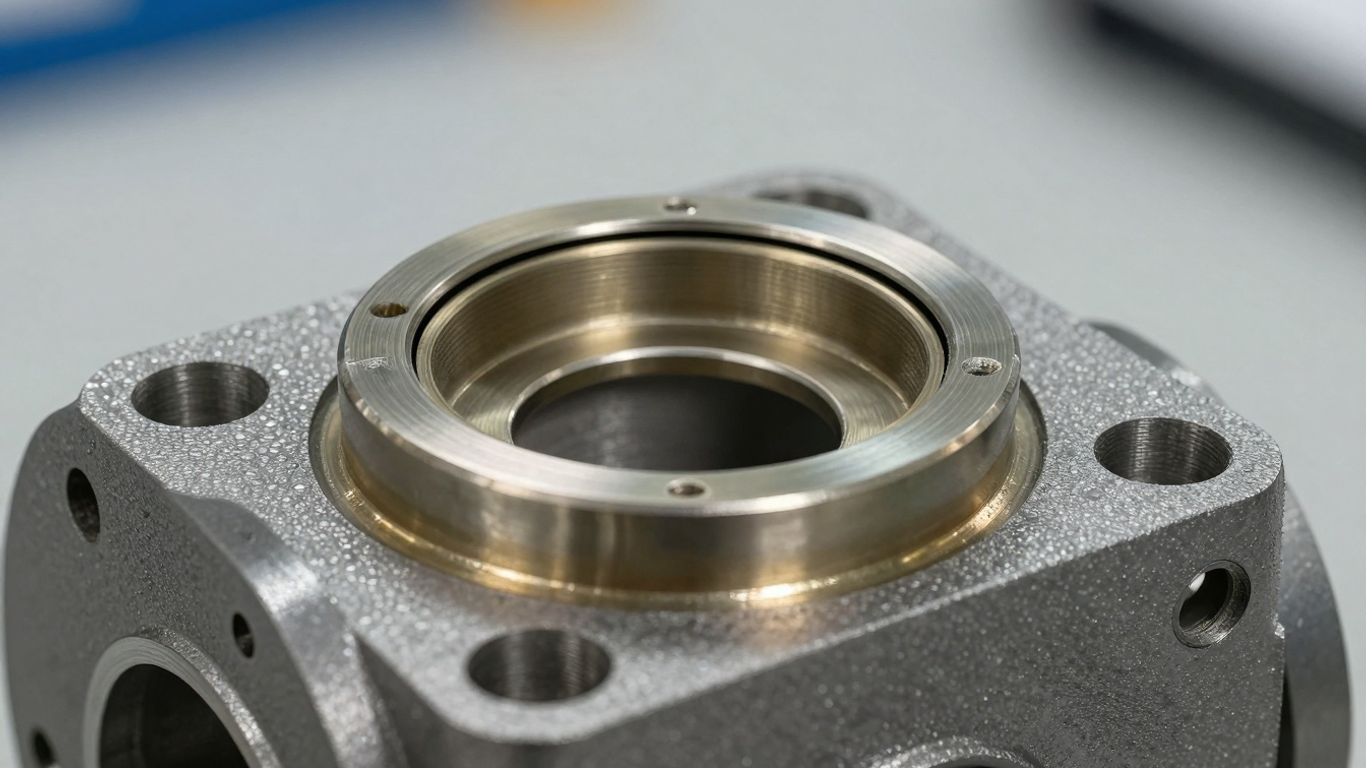
This is the part that does the heavy lifting, the main player in the sealing game. It’s the component that directly rubs against the rotating shaft. The material here is super important because it has to handle friction and whatever fluid you’re trying to keep contained. Common materials you’ll find are carbon, ceramic, or silicon carbide. Each has its own strengths – carbon is good for general stuff, ceramic can handle abrasive fluids, and silicon carbide is tough and good with heat. The right choice here really sets the stage for how well the seal will perform.
Stationary Mating Rings
This guy sits opposite the primary sealing ring. Its job is to provide a smooth, flat surface for the primary ring to seal against. Usually, it’s made of a harder material than the primary ring. This way, the primary ring wears down a bit, which is what you want, rather than the mating ring getting all chewed up. It’s all about creating that perfect, leak-proof interface.
Secondary Seals
These are like the backup singers, the supporting cast. They’re not the main event, but they’re vital. Think O-rings or gaskets. Their job is to seal up any gaps around the shaft or where the seal assembly meets the equipment. They prevent leaks from happening in those less obvious spots. Without them, you’d still have trouble, even with a perfect primary seal.
Supporting Metal Parts
Finally, you’ve got the metal bits. These are the structural elements that hold everything together. We’re talking about things like the gland, which is the housing, and springs. The springs are pretty neat because they provide the constant force needed to keep the sealing faces pressed together. These parts make sure the whole assembly stays put and functions as intended. They’re the backbone, really, keeping the whole sealing operation stable and effective. For a look at how these parts fit into the bigger picture of well barriers, you can check out schematics of well barriers.
It’s easy to think of a seal as just a simple rubber ring, but in reality, it’s a complex assembly. Each component has a specific role, and their interaction is what makes the seal effective. Getting even one part wrong can lead to problems down the line.
Types of Well Seals
Alright, so we’ve talked about what well seals are and why they’re so important. Now, let’s get into the nitty-gritty of the different kinds you’ll run into. It’s not just one-size-fits-all, you know? Different jobs need different tools, and seals are no different.
Pusher Seals Explained
Pusher seals are pretty common. The main thing about them is that they have a dynamic secondary seal. Think of it like a spring-loaded mechanism that keeps the sealing faces pressed together. This seal actually moves along with the shaft as it rotates and vibrates. Because of this movement, they’re good at handling things like shaft deflection and general wear and tear. They’re often found in equipment that spins pretty fast.
Non-Pusher Seals Overview
Now, non-pusher seals are a bit different. Instead of that moving secondary seal, they use a static one. This means the seal itself doesn’t move axially with the shaft. They often rely on springs or other mechanical means to keep the sealing faces in contact. These can be a good choice when you want something a bit simpler or when the operating conditions are more stable. They might not handle as much shaft movement as pusher seals, but they can be very reliable.
Cartridge Seals for Simplicity
If you’re looking for ease of installation and maintenance, cartridge seals are where it’s at. These are basically pre-assembled units. Everything – the seal, the shaft sleeve, the gland – it all comes as one package. This makes swapping out an old seal for a new one way faster and less complicated. You don’t have to worry as much about getting all the individual parts lined up perfectly. This is a big deal when you’re trying to minimize downtime on your equipment. They’re designed to be installed as a single unit, which really cuts down on potential installation errors. You can find these used in many pump applications.
Split Seals for Easy Installation
Then you’ve got split seals. The name kind of gives it away, right? These seals are designed so they can be taken apart, or ‘split’, into sections. This means you can install them without having to take the whole piece of equipment apart. Imagine trying to replace a seal on a big, heavy pump – taking it all apart would be a huge pain. Split seals let you just fit the pieces around the shaft. They’re super handy for retrofitting older equipment or when you just can’t easily remove the component you need to seal. It’s a real time-saver in certain situations.
Choosing the right type of seal really depends on what you’re working with. You’ve got to think about the equipment, how it’s going to run, and what kind of maintenance you can do. It’s all about matching the seal to the job.
Here’s a quick rundown:
- Pusher Seals: Good for high-speed, dynamic conditions with shaft movement.
- Non-Pusher Seals: Often simpler, relying on static seals for stable operations.
- Cartridge Seals: Pre-assembled for quick and easy replacement, minimizing downtime.
- Split Seals: Designed for easy installation without full equipment disassembly, great for retrofits.
Applications of Well Seals
So, where do you actually find these well seals working their magic? Pretty much anywhere you’ve got rotating equipment that needs to keep fluids or gases from escaping. It’s not just about preventing leaks; it’s about keeping things running smoothly and safely.
Sealing in Pumps and Compressors
Think about pumps, whether they’re moving water, chemicals, or oil. A well seal sits right where the spinning shaft enters the pump housing. Its job is to stop the pumped fluid from squirting out around the shaft. Without a good seal, you’d have leaks, lost product, and potentially a messy or dangerous situation. In compressors, it’s similar but often with gases under high pressure. The seal has to hold that gas in, preventing it from escaping into the atmosphere. This is super important in industries like oil and gas, where losing compressed gas isn’t just wasteful, it’s a safety hazard.
Use in Agitators and Mixers
If you’ve ever seen a big tank with a giant stirrer inside, like in a food processing plant or a chemical factory, there’s likely a well seal involved. These seals keep the stuff being mixed from leaking out of the tank where the mixer shaft goes in. It also stops outside contaminants from getting into the mix, which is a big deal for product purity, especially in food and pharma.
Specialized Industrial Uses
Beyond the common stuff, well seals show up in all sorts of other places. You’ll find them in marine applications, like on boat propeller shafts, and even in automotive water pumps. Basically, any piece of machinery with a rotating shaft that needs to contain a fluid or gas is a potential spot for a well seal. They’re designed to handle a wide range of conditions, from the high speeds in some industrial fans to the corrosive fluids found in chemical plants. The specific type of seal used really depends on what it’s sealing and how it’s being used.
Selecting the Right Well Seal
Picking the right well seal isn’t just about grabbing the first one you see. It’s more like choosing the right tool for a specific job – you wouldn’t use a hammer to screw in a bolt, right? The same goes for seals. Getting it wrong can lead to leaks, equipment damage, and a whole lot of headaches. So, let’s break down what you need to think about.
Considering Fluid Properties
The stuff you’re sealing makes a big difference. Is it water, oil, a harsh chemical, or maybe something that’s really thick?
- Chemical Compatibility: Some materials just don’t play well together. You need to make sure the seal material won’t break down or get eaten away by the fluid. For instance, certain elastomers might swell up or degrade when exposed to specific solvents.
- Temperature Range: Fluids can get pretty hot or cold. Your seal needs to handle that without getting brittle or melting. High temperatures can cause materials to degrade faster, while very low temperatures can make them stiff and prone to cracking.
- Abrasiveness: If your fluid has solid particles floating around, like sand in some water applications, it’s going to wear down the seal faces. You’ll need harder materials for those situations.
- Viscosity: Thick, syrupy fluids behave differently than thin, watery ones. This can affect how the seal operates and how much pressure it needs to maintain contact.
Evaluating Operating Conditions
Beyond the fluid itself, the environment the seal works in is super important.
- Pressure: How much pressure is the seal going to face? Seals are rated for specific pressure ranges, and exceeding those limits is a recipe for disaster.
- Speed: How fast is the shaft spinning? Higher speeds mean more heat generated at the seal faces, which needs to be managed.
- Vibration and Shaft Movement: Is the equipment prone to shaking or wobbling? Some seals are better at handling this movement than others.
Matching Seal Type to Equipment
Different machines have different needs. What works for a pump might not be ideal for a mixer.
- Pumps: Often deal with a wide range of fluids and pressures. Standard pusher or cartridge seals are common here.
- Compressors: Usually handle gases, sometimes at very high pressures. Specialized seals are often required.
- Agitators and Mixers: These can have significant shaft runout or vibration due to the mixing action. Seals need to accommodate this movement.
Ultimately, the best seal is one that’s designed for the specific job it has to do. Don’t cut corners here; it’s usually more expensive in the long run.
When you’re looking at options, think about these factors. It might seem like a lot, but taking the time to choose correctly will save you trouble down the road. Consulting the equipment manufacturer’s recommendations is always a good first step, too.
Maintaining Well Seals for Longevity
Regular Inspection Procedures
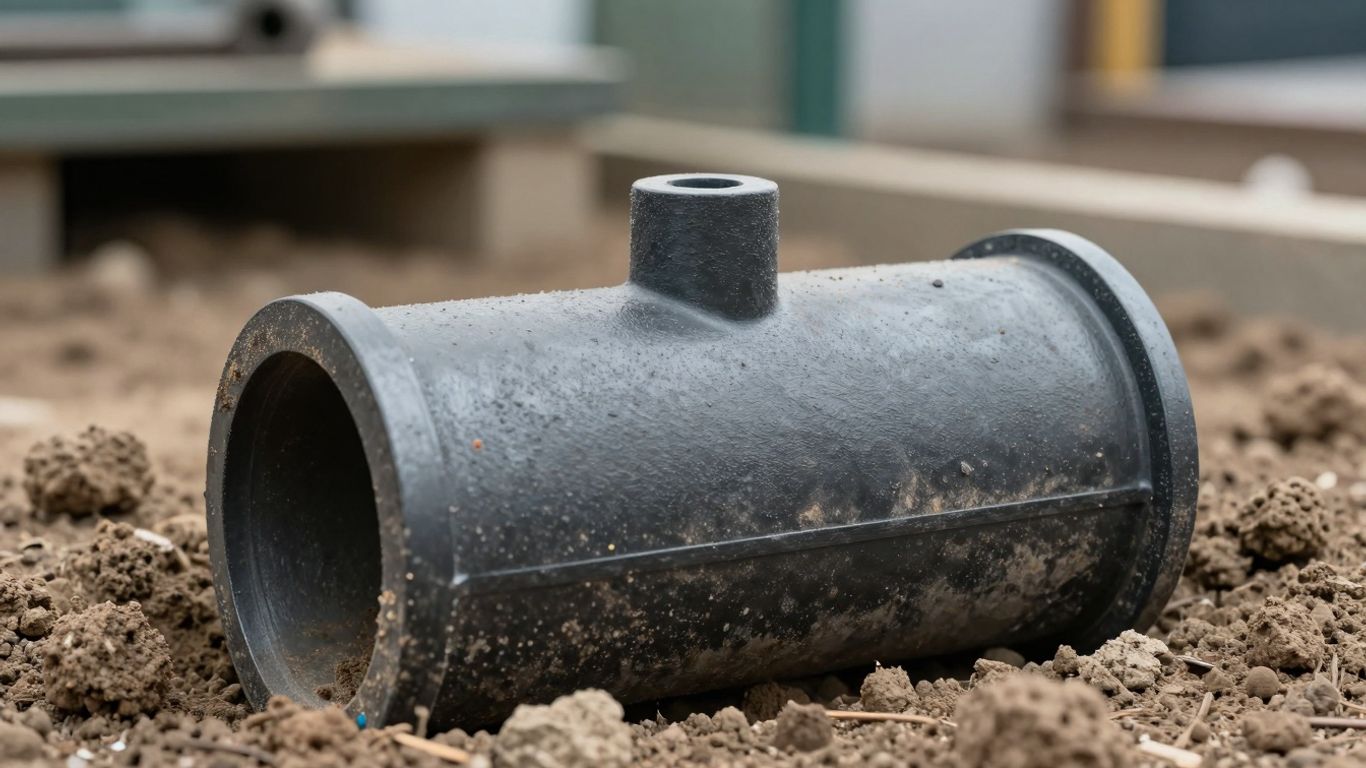
Keeping an eye on your well seals is pretty important if you want them to last. Think of it like checking the oil in your car – you wouldn’t just ignore it, right? You need to look for any signs of wear and tear. This means checking the seal faces for any nicks, scratches, or uneven wear. Also, take a peek at the secondary seals, like O-rings, to make sure they aren’t cracked or hardened. Sometimes, you might notice a bit of leakage, which is usually the first sign something’s up. It’s also a good idea to check if the metal parts look corroded or if the springs have lost their tension. Catching these small issues early can save you a lot of headaches and money down the road.
Proper Lubrication Practices
Lubrication is key for keeping those seals happy and working smoothly. Different seals need different kinds of attention. Some might need a specific type of grease, while others might have a flush plan where a fluid is constantly circulated. Always follow the manufacturer’s recommendations for lubrication; they know their product best. Using the wrong lubricant or not enough of it can cause the seal faces to overheat and wear out way too fast. Too much lubrication can sometimes cause problems too, like building up pressure or washing away essential components. It’s all about finding that sweet spot.
Monitoring Operating Parameters
Paying attention to how your equipment is running is another big piece of the puzzle. You want to keep an eye on things like temperature and pressure. If the temperature around the seal starts climbing higher than it should, it could mean there’s too much friction, or the fluid isn’t cooling it properly. Likewise, if the pressure is way off, it can put extra stress on the seal. Many systems have gauges or sensors that can help you track these numbers. If you see readings that are outside the normal range, it’s a signal to investigate before a small problem turns into a major failure. It’s better to be a little bit of a worrier when it comes to your equipment’s health.
Wrapping Things Up
So, we’ve gone over what well seals are and why they matter. They’re not the flashiest part of your well system, but they do a pretty important job keeping things clean and working right. Knowing a bit about them, like what they’re made of and how they fit in, can help you understand your well a little better. If you ever have questions or notice something seems off, don’t hesitate to call in a pro. Taking care of your well system means it’ll take care of you.
Frequently Asked Questions
What exactly is a well seal and why is it important?
Think of a well seal as a super-important guardian for your well. Its main job is to stop unwanted stuff, like dirt, bugs, or yucky surface water, from getting into your clean water supply. It’s like a protective hat for the top of your well, making sure only good water comes out.
What are the main parts of a well seal?
Well seals usually have a few key parts. There’s the main part that seals the opening, often made of tough materials. Then there are other bits that help hold it all together and make sure it stays snug and tight, preventing leaks.
Are there different kinds of well seals?
Yes, there are! Some seals are designed to be really easy to put on, almost like a pre-made kit. Others might be built in sections so you can replace just one part if needed. The best type depends on the specific well and how it’s set up.
Where are well seals typically used?
You’ll find well seals in all sorts of places where water needs to be kept clean and protected. This includes regular water wells in homes, but also in industrial equipment like pumps, mixers, and other machines that handle liquids and need to prevent leaks.
How do I know if I have the right well seal?
Choosing the right seal means thinking about the water itself – is it clean, dirty, or maybe a bit corrosive? You also need to consider how the well or equipment is used – how fast it runs, how much pressure is involved. Matching the seal to these conditions is key for it to work well.
What’s the best way to take care of a well seal?
Taking care of your well seal is pretty straightforward. It involves checking it regularly to make sure it’s still doing its job and isn’t damaged. Keeping an eye on how the system is running and making sure everything is clean and working right helps the seal last a long time.