When it comes to your home’s water, you want to be sure it’s clean and safe for everyone. A big part of that safety comes from something you might not think about much: your well seal. Keeping Your Family Safe with Quality Well Seals isn’t just about having water; it’s about having good water. This guide will walk you through why these seals matter and how to make sure yours is doing its job right.
Key Takeaways
- Well seals are important for keeping your water source clean and free from outside junk.
- The type of seal you pick matters for how well it works and how long it lasts.
- Putting the seal on correctly is a big deal for it to do its job.
- Checking your seal now and then helps catch problems before they get bad.
- A good well seal means safer water for your family and less worry.
Understanding The Importance Of Well Seals
So, you’ve got a well, which is pretty neat. It’s your own private water source, right? But have you ever stopped to think about what’s keeping that water clean and safe before it even gets to your tap? That’s where the well seal comes in. It might not be the most glamorous part of your home’s infrastructure, but it’s seriously important. Think of it as the gatekeeper for your water.
Protecting Your Water Source From Contamination
Your well is basically a direct line to the groundwater. That groundwater can pick up all sorts of nasty stuff from the surface if it’s not properly protected. We’re talking about things like:
- Pesticide and fertilizer runoff from nearby farms or even your own lawn.
- Animal waste from pets, livestock, or wildlife.
- Leaking septic systems or other underground storage tanks.
- General dirt, debris, and insects that can easily fall into an unprotected well.
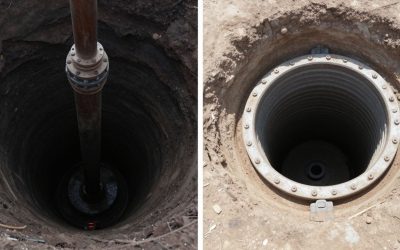
The well seal is the first line of defense against these contaminants. It creates a barrier at the top of your well casing, preventing anything from getting in that shouldn’t be there. Adequately sealing wells is crucial for preventing contaminants from entering the water supply.
The Role Of Well Seals In Water Quality
It’s pretty straightforward, really. If contaminants get into your well, they can end up in your drinking water. This can lead to all sorts of health problems, from upset stomachs to more serious illnesses. A good well seal helps maintain the purity of your water by keeping the groundwater separate from surface-level pollutants. It’s a simple component, but its impact on the quality of the water you and your family drink every day is huge. Without a proper seal, you’re essentially leaving your water supply vulnerable. This simple but vital component plays a significant role in the overall health and safety of your household’s water supply.
Preventing Surface Water Intrusion
Surface water, especially after heavy rain or snowmelt, can carry a lot of dissolved materials and even bacteria. When this water seeps into the ground, it can find its way into your well if there’s an opening. A well seal is designed to be watertight, or at least highly water-resistant, at the point where the well casing meets the surface. This prevents that surface water, and whatever it’s carrying, from mixing with your cleaner groundwater. It’s all about keeping that boundary between the surface world and your underground water source intact. A well seal is more than just a cap; it’s a critical barrier. It ensures that the water drawn from your well remains as clean as the aquifer it comes from, preventing the introduction of harmful elements from the environment above. You can find more information on well casing protection to understand this better.
Safeguarding Against Waterborne Illnesses
The Link Between Well Seals And Family Health
Think about it: your well is the main way your home gets water. If that seal isn’t doing its job right, all sorts of unwanted things can sneak in. We’re talking about tiny organisms like bacteria and viruses, the kind that can make people really sick. A good well seal is like the first guard on duty, keeping your drinking water clean and safe. It’s not just about how the water tastes or smells; it’s about stopping illnesses that can really put your family through a tough time. Things like E. coli or giardia are serious business, and they can easily get into your water if the seal is damaged or worn out. This is especially important if you have little kids, older folks, or anyone with a weaker immune system living with you.
Preventing Contaminants From Entering Your Well
Your well seal is the barrier between the outside world and your clean water supply. When it’s in good shape, it stops surface water, which can pick up all sorts of pollutants from the ground, from seeping down into your well. This includes things like:
- Animal waste from nearby farms or pets
- Chemicals from pesticides or fertilizers used on lawns and gardens
- Runoff from roads or construction sites
- Leaking septic systems
A compromised seal means these contaminants have a direct path into the water you drink and use every day. This can lead to a range of health issues, from stomach upset to more severe infections, depending on what gets into the water.
Peace Of Mind For Your Household
Knowing your water is protected brings a certain calm, doesn’t it? You don’t have to constantly worry about what might be lurking in the water you use for drinking, cooking, and bathing. This peace of mind is hard to put a price on. It means fewer anxious moments and more confidence in the everyday routines of your household. When you’ve got a good seal, you can just go about your day without that nagging thought in the back of your mind about water safety. It’s one less thing to add to the list of worries that parents often juggle.
Local health departments stress that a well seal is not a ‘set it and forget it’ component. Regular checks and timely replacement are key to maintaining its protective function. Ignoring a damaged seal is like leaving your front door wide open to potential health hazards.
The Economic Benefits Of Preventative Care
Avoiding Costly Water Remediation
Let’s face it, nobody wants to deal with a contaminated water supply. It’s not just a health concern; it can really hit your wallet hard. If your well seal fails, you might find yourself shelling out cash for bottled water, frequent water testing, and maybe even medical bills if someone gets sick. And if the contamination is bad, fixing the well itself can be a huge expense. We’re talking about digging, replacing parts, and a whole lot of disinfection. It adds up fast. A good well seal is like an insurance policy for your water.
The Value Of An Ounce Of Prevention
Think about it this way: a small issue with your well seal now, if ignored, can turn into a major, expensive headache later. It’s a classic case where taking care of a minor problem early on saves you a ton of trouble and money down the line. Keeping that seal in good shape is a smart move that pays off. It’s much cheaper to maintain a seal than to deal with the fallout from a compromised well.
Long-Term Savings Through Maintenance
Regular check-ups and upkeep on your well seal aren’t just about keeping things running smoothly today. They’re about protecting your investment and your family’s health for years to come. A well-maintained seal means fewer unexpected repair bills and a consistent supply of safe water. It’s a proactive approach that avoids the stress and financial strain of emergency fixes.
Here’s a quick look at potential costs:
| Scenario | Estimated Cost Range | Notes |
|---|---|---|
| Well Seal Inspection | $150 – $300 | Routine check-up |
| Well Seal Replacement | $500 – $2,000 | Depending on seal type and labor |
| Water Testing (Basic Panel) | $100 – $200 | For common contaminants |
| Emergency Water Supply | $50 – $200/week | Bottled water or delivery |
| Well Decontamination | $1,000 – $5,000+ | If contamination is severe |
| Major Well Repair/Redrilling | $5,000 – $20,000+ | In severe cases of damage or failure |
Investing a little now in a quality well seal and its maintenance can prevent spending thousands later on remediation and health issues. It’s a practical way to safeguard your household’s financial stability and well-being.
Choosing The Right Well Seal For Your Needs
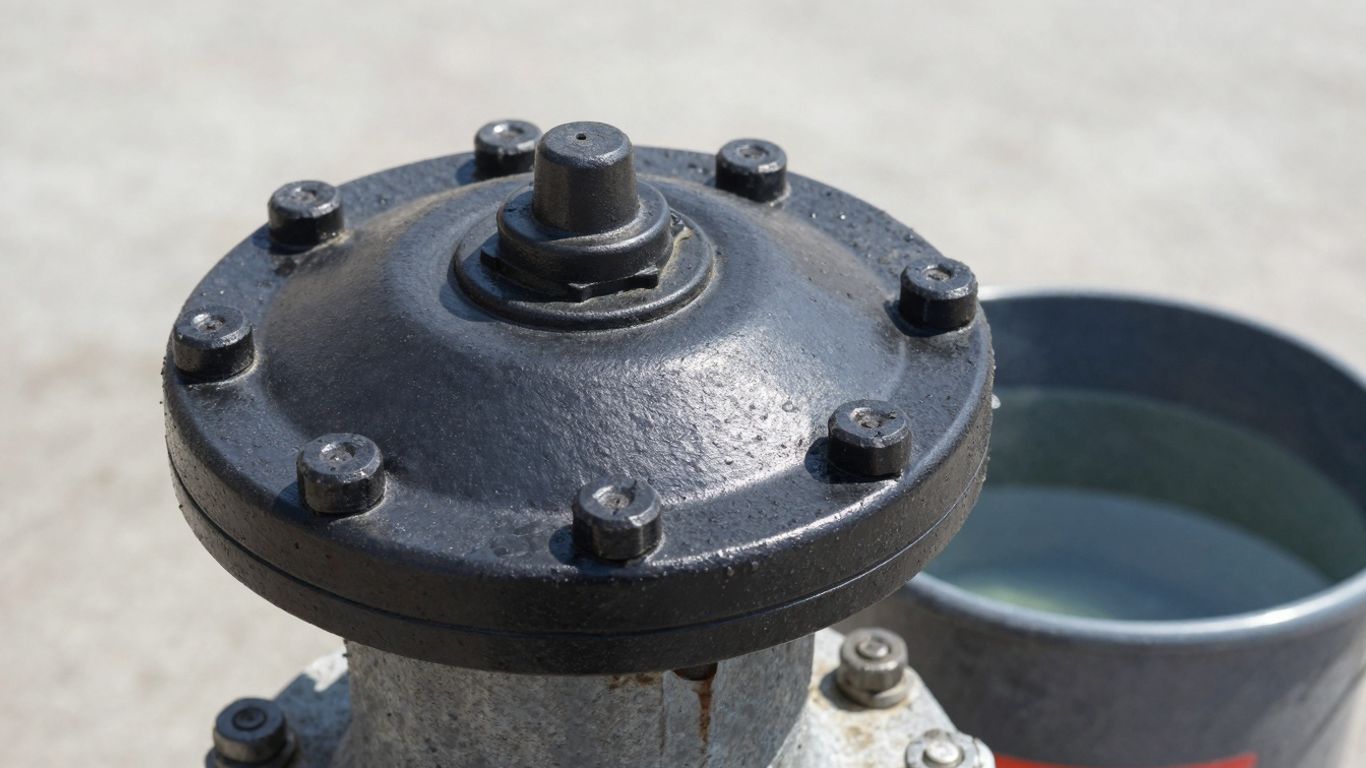
So, you’re looking into well seals, huh? It might seem like a small detail in the grand scheme of your home’s water system, but picking the right one is actually pretty important. Think of it like getting a good lid for a jar – you want it to fit just right and keep everything inside safe and sound. There are a few things to consider to make sure you get a seal that works well for your specific setup.
Compatibility With Your Well System
This is where you really need to pay attention. You can’t just grab any old seal and hope for the best. It has to be the correct size and shape for your well. The diameter of your well casing is a big one; the seal needs to match it exactly. If it’s too big, it won’t fit, and if it’s too small, it won’t seal properly, leaving gaps. You also need to think about the design of your wellhead. Some are simple, but others might have extra pipes or fittings. Your seal needs to work with whatever you’ve got. Making sure your well seal is compatible with your system isn’t just about getting a good fit; it’s about creating a reliable barrier. A seal that’s the wrong size or type can let all sorts of unwanted things into your water supply, and that’s exactly what you’re trying to avoid. It’s worth taking the time to measure and confirm compatibility before you buy. If you’re unsure, it’s always a good idea to check with the manufacturer of your well system or a qualified well professional. They can help you figure out exactly what you need for your private water wells.
Understanding Local Regulations
Don’t forget to check what your local health department or water authorities might require. Sometimes, there are specific types of seals or materials that are mandated by local rules. It’s always a good idea to see if there are any regulations you need to follow before you make a purchase. This helps avoid any headaches down the line.
Selecting Quality Materials
The material your well seal is made from really matters for how long it’ll last and how well it does its job. You’ll see a few common options:
- Rubber: This is a popular choice because it’s flexible and can create a good seal. Look for EPDM or neoprene rubber, as they hold up better against things like sunlight and changing temperatures.
- Plastic: Some seals are made from sturdy plastics. These can be really tough and don’t break down as easily from UV rays. They’re often a good choice if your wellhead is exposed to a lot of sun.
- Metal: While less common for the main seal itself, metal components might be part of a larger sealing system. They’re strong but can sometimes corrode over time if not properly treated.
The best material will depend on your local climate and how much wear and tear your wellhead experiences. A well-maintained seal isn’t just a piece of equipment; it’s a guardian of your family’s well-being. Neglecting this simple component can lead to a cascade of problems, from minor inconveniences to major health crises and significant financial burdens.
Installation Best Practices For Effective Sealing
Putting in a well seal might seem straightforward, but honestly, getting it done right is super important for keeping your water safe. It’s not just about slapping something on; there’s a bit of a process to it, and doing it properly means you won’t have to worry about stuff getting into your well. Think of it like putting a lid on a jar – you want it to fit snug so nothing gets in or out that shouldn’t.
Ensuring A Proper Fit
This is probably the most critical part. A seal that’s not fitted correctly is basically useless. You need to make sure it matches your well casing diameter exactly. If it’s too big, it won’t seal; too small, and it won’t cover properly. You also need to consider the shape of your wellhead – some have extra pipes or fittings that the seal needs to work around. A good, tight fit creates that waterproof barrier you need.
Here’s a quick rundown of what to look for:
- Well Casing Diameter: Measure this carefully. The seal must match.
- Wellhead Configuration: Does it have extra pipes? The seal needs to accommodate them.
- Manufacturer’s Instructions: Always follow these. They know their product best.
If you’re unsure about measurements or how your specific wellhead is set up, it’s always better to ask someone who knows. Trying to force a seal that doesn’t fit can actually damage it, making things worse.
When To Seek Professional Assistance
Look, I get it. Sometimes you want to save a few bucks and do it yourself. And for some simple tasks, that’s totally fine. But when it comes to your well water, it’s often worth calling in the pros. They have the right tools, they know the common pitfalls, and they can get it done right the first time. This is especially true if:
- Your wellhead looks complicated or has a lot of existing fittings.
- You’re not comfortable working with tools or aren’t sure about the measurements.
- You’ve had issues with your well seal before.
Professionals also know about any local rules or specific types of seals that might be required in your area. It’s their job to know this stuff, so you don’t have to.
The Importance Of Correct Installation
Getting the installation right isn’t just about the fit; it’s about the whole process. Before you even put the new seal on, you have to clean up the wellhead. Seriously, get rid of all the dirt, old gunk, or leftover sealant. A clean surface is key for the new seal to stick and seal properly. You don’t want any little bits of debris getting trapped under there, creating a weak spot. It’s like prepping a wall before painting – you wouldn’t paint over dust, right?
Over-tightening or under-tightening bolts can also be a problem. Too tight, and you might crack the seal or the wellhead. Too loose, and you’ll have gaps. It’s about finding that sweet spot where the seal is compressed just enough to create a watertight barrier without causing damage.
Taking the time to do this right means your well seal will last longer and do a better job of protecting your water supply from all sorts of unwanted things like insects, surface water, and other contaminants.
Maintaining Your Well Seal For Long-Term Protection
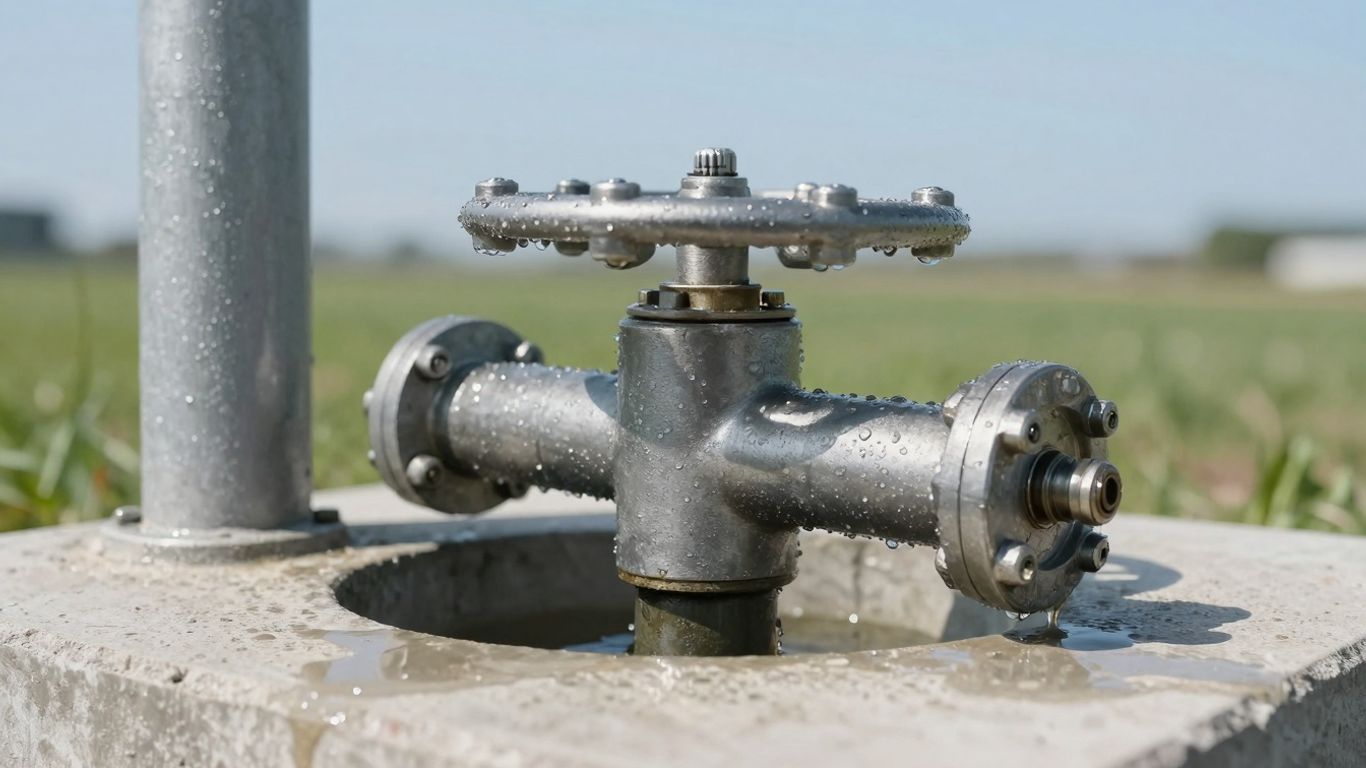
So, you’ve got a well seal in place, which is great! It’s doing its job keeping your water clean. But like anything, it needs a little attention now and then to keep working right. Think of it like changing the oil in your car; you don’t just forget about it after the first time. A well seal is no different. Regular check-ups are key to making sure it stays effective and doesn’t let anything nasty sneak into your water supply.
Regular Inspection Schedules
How often should you be looking at your well seal? It’s not something you need to do every week, but setting a routine is smart. Most folks find that checking it once a year is about right. Some might do it more often if they live in an area with heavy rainfall or if they’ve had issues before. It’s a good idea to tie it into another yearly task, like your annual well water testing. That way, you won’t forget.
Here are a few good times to give it a look:
- Springtime: After winter thaw and potential heavy rains, it’s a good time to check.
- Before Rainy Season: If you know a wet period is coming, a quick look can give you peace of mind.
- Annually with Water Testing: Combine it with your regular water quality checks.
Signs Of Wear And Tear
When you do your inspection, keep an eye out for anything that looks off. You’re looking for obvious damage, but sometimes the signs are more subtle. A well seal is designed to be a solid barrier, so anything that compromises that barrier is a problem.
Here’s what to watch for:
- Cracks or Gaps: Look for any visible cracks in the seal material itself, or gaps where it meets the well casing.
- Deterioration: Is the material looking brittle, dried out, or crumbly? This means it’s losing its ability to seal effectively.
- Loose Fasteners: If your seal uses bolts or clamps, make sure they are snug and not rusted or broken.
- Evidence of Pests: Sometimes, insects or rodents can damage seals. Look for chew marks or nests around the wellhead.
- Water Pooling: If you notice water consistently pooling right around the wellhead, it could indicate the seal isn’t shedding water properly or is compromised.
When To Consider Replacement
Most well seals are built to last a good while, but they aren’t immortal. If you spot any of the issues above, especially significant cracks or material breakdown, it’s probably time for a new one. It’s better to replace a worn-out seal proactively than to deal with the fallout of a contaminated well. Think about the cost of bottled water, water testing, and potential health issues – a new seal is a small price to pay for safe water.
A well-maintained seal isn’t just a piece of equipment; it’s a guardian of your family’s well-being. It works tirelessly, often unnoticed, to keep the water flowing cleanly from your tap. Neglecting this simple component can lead to a cascade of problems, from minor inconveniences to major health crises and significant financial burdens. Prioritizing its integrity is a direct investment in the health and security of everyone under your roof.
If you’re unsure about the condition of your well seal or how to properly replace it, don’t hesitate to call a qualified well professional. They have the tools and knowledge to assess the situation and get it fixed right.
Benefits Of Expert Installation And Maintenance
Finding A Qualified Service Provider
Look, nobody wants to spend a ton of time searching for a contractor, but when it comes to your well, it’s really worth the effort. You can start by asking around. Your neighbors or friends who also have wells might have someone they trust and can recommend. Your local health department is another good place to check; they often keep lists of licensed well contractors who know their stuff. When you’re looking, try to find companies that focus specifically on well systems and see if they have good reviews online. Don’t hesitate to get a few quotes and ask them directly about their experience with well seal work. A good, reputable company will be happy to answer your questions and explain exactly what they’ll do.
Ensuring Reliable, Safe Water
When you hire a professional, you’re not just paying for their time. You’re paying for their knowledge, their specialized tools, and the confidence that the job is done right the first time. This peace of mind is pretty important, especially when you’re talking about something as vital as your family’s health and the integrity of your water supply. They know how to make sure the seal is snug and secure, preventing any unwanted guests – like surface water or critters – from getting into your well. This attention to detail is what keeps your water safe and clean.
Understanding Local Requirements
Professionals are usually up-to-date on all the local rules and regulations regarding well systems. This can save you a lot of hassle. They know what type of seal is approved, how it needs to be installed, and any specific permits you might need. It’s one less thing for you to worry about. They can also advise on the best seal type for your specific situation, which can save you money and hassle down the road. For more on keeping your well in good shape, check out regular maintenance of wells.
Sometimes, a DIY approach seems like a good idea to save a few bucks. But with something as important as your drinking water, it’s often better to let the pros handle it. They have the tools and the know-how to get it done right, preventing bigger problems later on.
The Bottom Line on Well Seals
So, when it comes down to it, that well seal might seem like a small detail, but it’s a pretty big deal for keeping your family safe and healthy. It’s your first line of defense against all sorts of unwanted stuff getting into your drinking water. Taking care of it, whether that means a simple check-up or calling in a pro, is a smart move. It saves you worry, and honestly, it can save you a lot of money down the road compared to dealing with water contamination. Think of it as a simple investment in peace of mind and good health for everyone at home.
Frequently Asked Questions
What is a well seal and why is it so important for my family’s water?
Think of a well seal as a protective cap for your well. Its main job is to stop yucky stuff like dirt, bugs, and dirty surface water from getting into your drinking water. This is really important because if bad things get in, they can make your family sick.
How can I tell if my well seal is working right or needs to be replaced?
You should check your well seal every so often. Look for any cracks, gaps, or signs that it’s loose. If you see anything that looks broken or doesn’t fit right, it’s probably time to have it looked at by an expert and maybe replaced.
Can I use any type of seal on my well, or do I need a specific one?
Not all seals are the same! You need to make sure the seal you choose fits your specific well system. Different wells have different sizes and designs, so picking the right one makes sure it works properly to keep your water clean and safe.
What are the risks if my well seal isn’t working correctly?
If your well seal is damaged or missing, nasty things from the ground’s surface can easily sneak into your water supply. This could include bacteria, chemicals, or even animal waste, all of which can cause serious health problems like stomach bugs or worse.
Is it better to install a well seal myself or hire a professional?
While some people might try to do it themselves, it’s often best to hire a professional. They have the right tools and know-how to ensure the seal is installed correctly, which is crucial for keeping your water safe. Plus, they can spot potential problems you might miss.
How often should I inspect my well seal?
It’s a good idea to check your well seal at least once a year. You could also check it after big storms or snow melts. Combining this check with your annual well water testing is a smart way to remember.